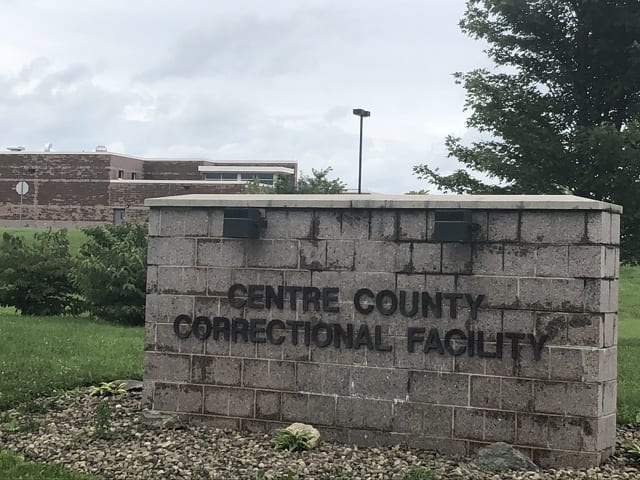
BELLEFONTE — Getting one’s life back together after being incarcerated can be difficult. And, without a place to live, former prisoners who are left homeless face the difficulty of finding and keeping jobs and becoming productive members of society. Being homeless also ups the chances they’ll return to jail.
This is something Centre County sees as an issue, and leaders are looking to start the Home4Good Program with the support of a grant from the Pennsylvania Housing Finance Agency. It will help at-risk prisoners find suitable places to live as they leave the Centre County Correctional Facility.
The program and the grant application were discussed at the Centre County Commissioners’ meeting Aug. 14. If the grant funding is received, the hope is to start the program in spring or summer of 2019. It is certainly needed, according to Faith Ryan, the county’s director of adult services, who would be overseeing the new position with help from the county’s corrections department.
“What we have noticed is such a need for true intense long-term case management for folks who are currently inmates now, who are identified as having a housing need and/or are exiting or have exited,” said Ryan.
“We also noticed that there are a lot of needs with the families, so if somebody is incarcerated, that is very likely to inhibit their housing whether in the future or currently because they now have a record or because it has been extended in some way. They leave behind families that, if they were the bread winner, now (that family) may be in housing crisis.”
The program would provide a caseworker who would work with the prison to identify people who might be in these situations.
The program would be for Centre County residents, said Ryan, but since the population of the prison is 40 to 50 percent out-of-county prisoners, the caseworker could work with them to help them find resources in their own counties.
The case management re-entry position has been a longtime goal, said county criminal justice planning director Kerri Hull.
“We have had several meetings with the jail staff, the treatment staff, the counselors, Faith and myself, and we feel that this is a great need to work … with inmates after they leave the institution to help them maintain their housing, employment, treatment services — all those things to make them successful in the community and not return back to the correctional facility,” said Hull.
The cost of the proposed program is $60,000 and the grant from PHFA would cover $40,000, with the remaining funding coming from a state Department of Human Services Block Grant. The grant from PHFA would cover only one year of the program, then there would be a need to reapply or find other funding sources.
Commissioners chairman Michael Pipe said there certainly seems to be a need for the program, and leaders can look at other ways to fund the program if it is started and the grant does not continue. He said the county can continue to monitor the program to determine if it is successful in the future.
Pipe said the average cost per year to house someone at the correctional facility is, at the lowest, $60 a day. This adds up to about $22,000 a year per prisoner, he said, and if the program prevents just three people a year from going back to jail, it would be worth it.
“If this individual (the caseworker) would be able to keep two or three people out, it (the position) is paying for itself,” said Pipe. “So, if we getting strategic, and again, really nailing down what their issues are that are having them return to the correctional facility and criminal justice system, we can make a really huge impact, and again keep those folk out of there. We don’t want to be housing individuals if they can be out in our community.”
The county first needs to secure the initial grant and should know by December whether it has received the funding.