
The SEDA-COG Joint Rail Authority is not an “illegal monopoly,” a Northumberland County judge recently ruled. President Judge Charles Saylor’s Aug. 12 ruling stated that the JRA was formed to “carry out a laudable and necessary vital function.”
The court threw out anti-competition claims raised by Reading and Northern Railroad because the JRA was established in 1983 and Reading and Northern was incorporated in 1990; the private railroad cannot sue on the basis of illegal competition, since the JRA existed before it did.
Reading and Northern also alleged that state law required the JRA to bid out railroad operations like a construction contract, which would go to the “lowest responsible bidder.” Saylor rejected that argument, saying, “It is inapplicable and not subject to further analysis.” This means that the “lowest responsible bidder” requirement does not apply to a Request for Proposals for rail operations.
Saylor’s ruling rebuffed all but one of Reading and Northern Railroad’s claims. The railroad had sought to be the JRA’s private freight rail operator, but was disappointed when it was not invited to proceed to the final selection process.
Saylor’s ruling does allow Reading and Northern to attempt to prove that it was treated unfairly. The court was bound at this stage of litigation to treat all allegations in Reading and Northern’s complaint as true, which is why Reading and Northern is allowed to make its case on the single issue of alleged unfairness in the selection process.
No taxpayer dollars support the JRA’s administrative operations, which solely are supported by an operating fee paid from freight revenue from its private operator, which is currently North Shore Railroad.
“Not only is the JRA self-supporting, but it injects funds into rail projects. We’ve greatly improved the railroads and created family-sustaining jobs,” said Jeff Stover, JRA executive director. “When the JRA funds certain rail projects, it saves taxpayers from doing so.”
The JRA was formed by eight member counties to save the rail lines and service abandoned by Conrail. Today, six lines provide rail service to about 85 industries, employing more than 10,000 in the region. In 2015, rail traffic topped 21,000 carloads over 200 rail miles.
Since 2004, the JRA has invested or leveraged more than $46 million in rail capital projects with more than 40 public and private partners.
More Business
View all Business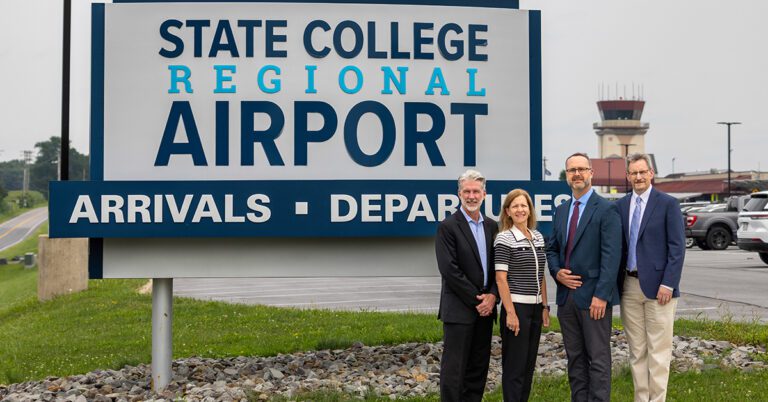
Charlotte Flights Bring a New Route to Growth at State College Regional Airport
Direct flights to Charlotte beginning in October promise easier travel and broader economic opportunities for Centre County.
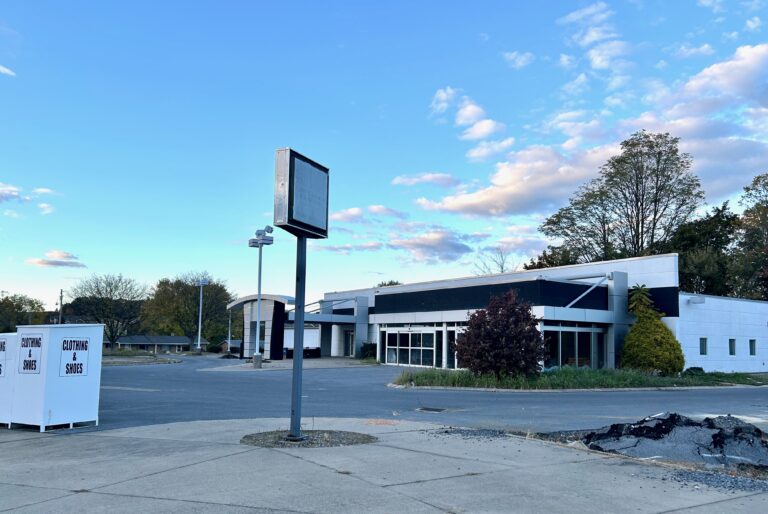
Wawa to Host Groundbreaking Event for State College Area Store
Wawa is ready to begin construction on another Centre County store and its first in the State College area. The convenience store and gas station chain will host a groundbreaking […]
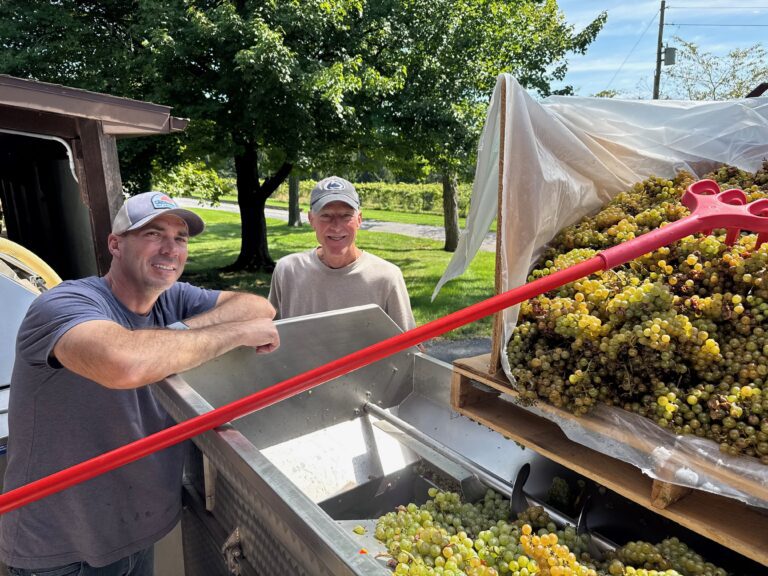
Centre County Winery’s Grape Harvest Shows ‘Devastating’ Effects of Spring Freeze
A late-April freeze that caused significant damage to fruit crops across Pennsylvania had long-reaching effects that remained evident at Mount Nittany Vineyard & Winery on Sept. 15, when staff and […]


