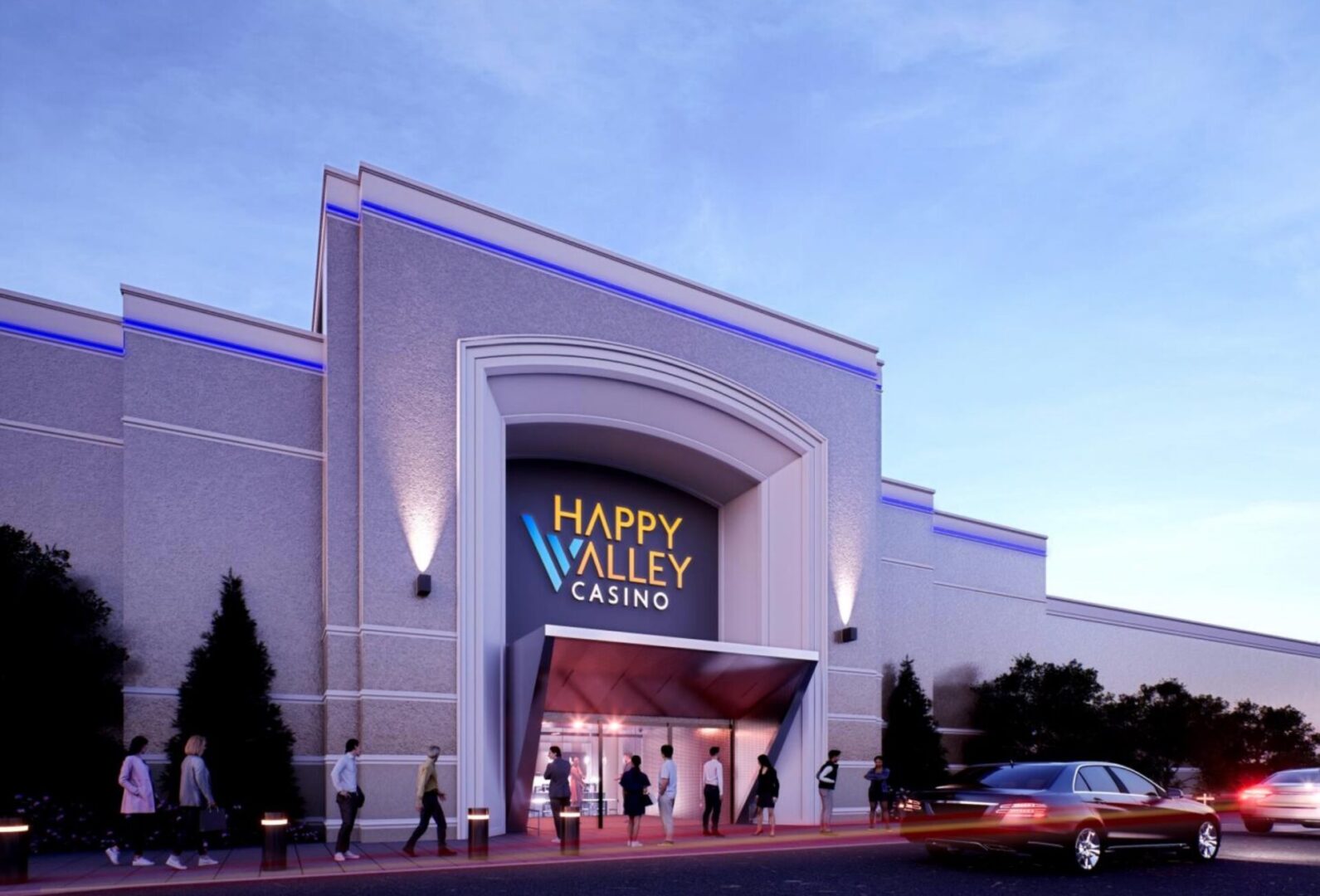
The Happy Valley Casino has reached what one representative called a “significant milestone” ahead of its anticipated opening this spring.
New York-based Saratoga Casino Holdings LLC has become majority owner of the facility at the Nittany Mall following completion of a framework agreement with SC Gaming LLC, according to a news release on Friday.
Under the terms of the agreement, first announced in March 2025, the two parties will jointly develop and manage Happy Valley Casino, with Saratoga bringing “extensive operational experience” and SC Gaming providing “local leadership and project development expertise.”
“Happy Valley Casino marks an exciting new chapter for Saratoga Casino Holdings,” Sam Gerrity, the company’s CEO, said in a statement. “Pennsylvania is one of the most dynamic gaming markets in the country, and this partnership with SC Gaming provides an outstanding opportunity to bring Saratoga’s proven operating experience to State College. We are proud to be part of a project that will create jobs, support the local economy, and enhance entertainment options for the region.”
Eric Pearson, CEO of SC Gaming, will continue to serve as general manager of Happy Valley Casino, leading the joint venture and overseeing development and operations.
“This agreement represents a significant milestone for the Happy Valley Casino project as we move toward opening just months away,” Pearson said in a statement. “Partnering with Saratoga positions us to deliver a modern gaming destination that meets the highest regulatory and operational standards, creates meaningful employment opportunities for the Community, and serves as a powerful new driver of economic activity for Centre County.”
The category 4 casino in the the 94,000-square-foot former Macy’s anchor spot at the College Township mall is on track for an April opening, pending final approvals from the Pennsylvania Gaming Control Board.
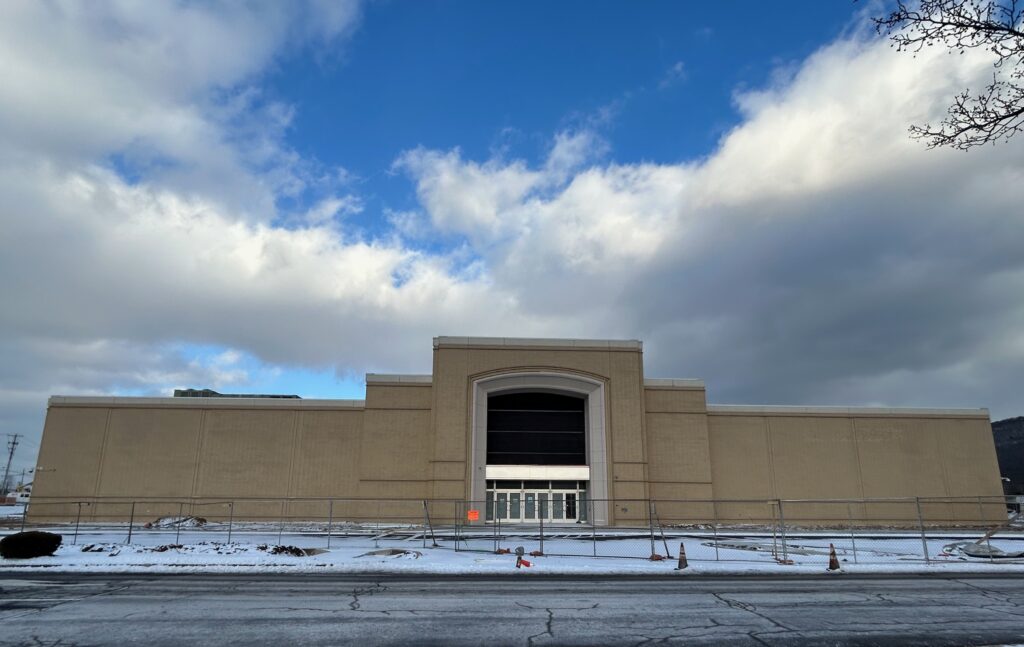
Completion of the ownership change is the latest step in a long road for the casino that began in 2020 when investor and Penn State alumnus Ira Lubert, the owner of SC Gaming, won an auction for what is, for now, Pennsylvania’s final category 4, or mini-casino, license with a bid of $10,000,101.
The licensing process began in 2021 and that same year SC Gaming entered a framework agreement with Bally’s to jointly develop and manage the casino. Bally’s, however, withdrew from the partnership in September 2024, about six months before the new agreement with Saratoga Casino Holdings was announced.
Meanwhile, the project was delayed for years after competitor Stadium Casino challenged the license, arguing that Lubert — who was eligible to bid because of his ownership interest in other casino properties — acted as a “Trojan horse” for other parties, including Bally’s, who would not have been eligible and that he should not have been able to bid.
The Pennsylvania Gaming Control Board approved the license in January 2023 and the state Supreme Court dismissed the legal challenge in 2024.
Construction began earlier this year on the estimated $127 million casino, which will have 600 slot machines and 30 table games. The smoke-free facility will have initial hours of 10 a.m. to 2 a.m., according to Friday’s release, though it has previously been discussed as a 24/7 operation.
Happy Valley Casino also will have two eateries along with a centralized bar servicing the sit-down restaurant and the gaming floor.
Aces Social will be the sports-themed sit-down restaurant with large-screen televisions and what Pearson previously described as “a pretty broad menu.” Lucky Break Cafe, meanwhile, will be a quick-serve outlet akin to a consolidated food court, offering selections such as pizza, burgers, sandwiches, ice cream and coffee.
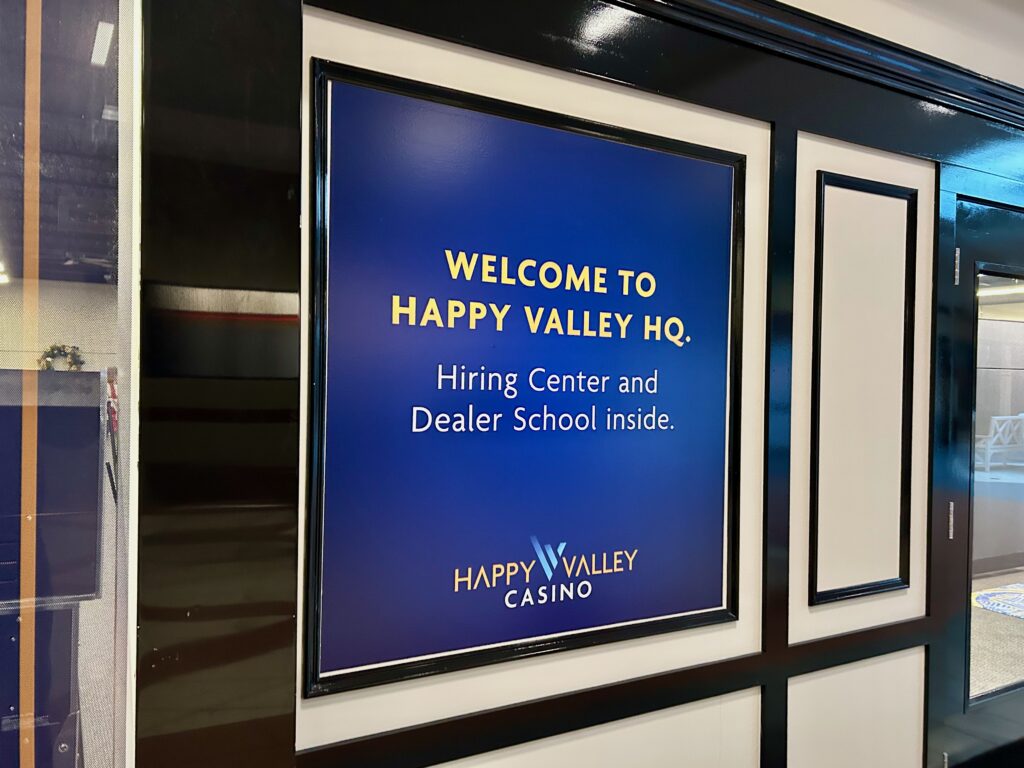
The casino is expected to employ about 300 people at opening. It is currently running a 12-week Dealer School in the former Shoe Dept. space inside the mall with more than 100 students training for table game and casino operations positions.
Happy Valley Casino has not been without its detractors, who have maintained their long-running opposition to the project based on worries about gambling addiction, especially among students at nearby Penn State, an influx of crime and skepticism that the casino would be an economic boon. Pearson met with residents last fall to discuss their concerns.
Supporters have said that legal online options already make gambling widely available in Pennsylvania and that the region would experience an economic boost from a new entertainment venue, citing projected tax revenue for the township and county and new jobs.
College Township commissioned a third-party local impact study to evaluate the potential social and public safety effects, which the report projected to be minimal, and anticipated economic benefits, with the township expected to receive $1.4 to $1.6 million in new tax revenue annually.
Township council members said after receiving an overview of the report in September that it marked a starting point for monitoring and addressing any issues that may come with the new venue.