You’re ready for retirement. You’ve prepared mentally, emotionally and financially. But inflation may occupy a corner of your mind, considering the jumps it has made over the past year. The U.S. Bureau of Labor Statistics reported an increase in the Consumer Price Index (CPI) of 5.4% in July from a year earlier, matching the largest rise since August 2008. While everyone is talking about inflation for all sorts of reasons, it may affect retirees in other ways – namely, rising healthcare costs.
Even with Medicare, healthcare costs can add up to a major component in a retiree’s budget. According to the 2021 Retirement Healthcare Costs Data Report, lifetime health costs for couples retiring in 2021 can range widely – from $156,208 to $1,022,997. Factors that impact expenditures include coverage, health, longevity, income and state of residence. And, unfortunately, the historical trend that healthcare costs rise 2 to 2.5 times faster than overall U.S. inflation is expected to continue.
How to combat it
There’s nothing we can do to stop inflation, but we can make a plan to deal with its potential implications. Knowing unpredictable healthcare costs may be coming – and will likely be higher than they are today – it’s wise to examine your specific situation so you can set yourself up for the retirement you envisioned. Here are some do’s and don’ts as they pertain to your financial planning for rising healthcare costs due to inflation.
Don’t expect Medicare to take care of it all.
Despite having Medicare coverage, there are still out-of-pocket costs, such as dental, vision, long-term care and other potential expenses. It pays to learn how the system works and what can be done to minimize costs.
It is important to understand the differences in coverage options. That might mean considering a Medicare Advantage Plan (or Part C) or a Medicare supplement to ensure you’re covered. Determining if your doctor and preferred facilities accept Part A and Part B, as well as ongoing medication costs (Part D), should all be calculated when comparing plans – and recalculated when open enrollment launches each October and through Dec. 7 for this year. Also, keep in mind that Medicare does not cover long-term care, so you would need to consider adding that coverage separately. It is important to understand and navigate through these options well ahead of retirement, even in while you are in your 50’s.
Do optimize your Social Security strategy.
Before you stop working, think about when and how to implement a claiming strategy that will help your household get the most from Social Security. So much of our strategy on how to maximize Social Security retirement benefits depends on guesses as to how long we’ll live. How are your blood pressure, cholesterol, weight and other health markers? How long have your parents and other relatives lived?
Another thing to remember is that Social Security is indexed to inflation, so there’s built-in protection (even if it’s not as high as medical inflation). Remember, too, that you don’t have to take Social Security just because you’re retired. If you can live without the income until age 70, then you will ensure the maximum payment for yourself and lock in the maximum spousal benefit. Just be sure that you have enough other income to keep you going and that your health is good enough that you are likely to benefit from the wait.
Don’t forget about your health savings account (HSA).
While you’re still working, consider maxing out contributions to your HSA. The annual limit for 2022 is $3,650 for self-only coverage and $7,300 for a family plan. It might not seem like much but, because contributions never expire, you can sock these savings away to use in retirement. For those 55 and older, you can elect to add $1,000 annually as a catch-up contribution. Years of these contributions do add up and can lessen the blow of medical expenses later in life. Remember, these contributions are pre-tax and withdrawals for qualified medical expenses are tax-free. One is also allowed to invest a portion of these funds.
Don’t take on additional risk to make income.
It may be tempting to get more aggressive with your investments to make up for any gap inflation may cause, but you’ve been too calculated and strategic all these years to make a hasty decision. Your situation is not like anyone else’s, so don’t let headlines sway you from your well-thought-out plans. Getting riskier is just that and not a mitigation tactic for inflation.
The most significant ‘Do’ when thinking about how inflation affects your retirement is to discuss your concerns with a professional who can guide you through these considerations and trade-offs. Financial modeling can help you actually ‘see’ and understand the effect of your choices. With proper strategies and precautions in place, you’ll be able to achieve comfortable and confident retirement years.
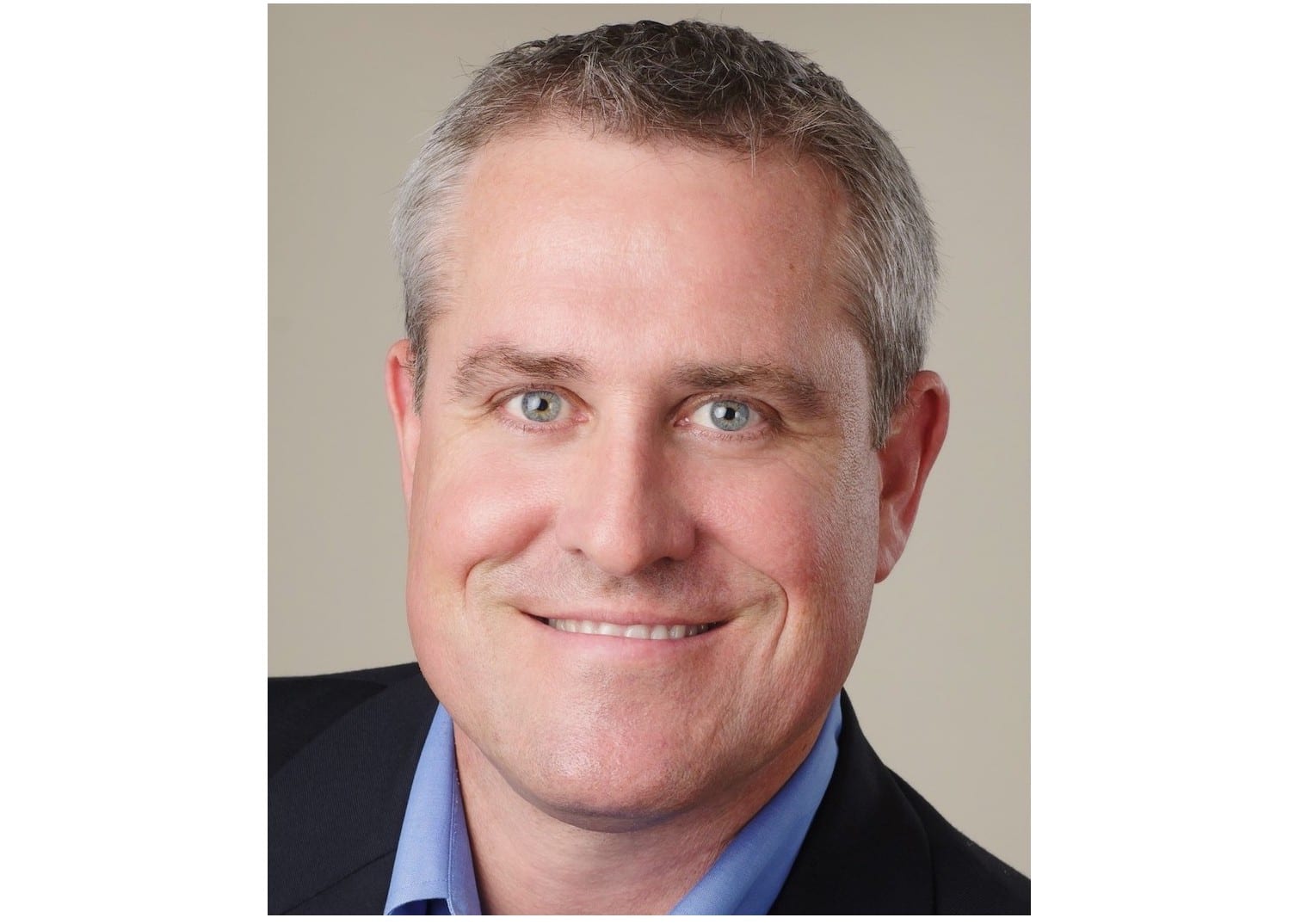
Tom King CFP®, CLU®, AEP® is Registered Principal of King Financial Partners (222 Blue Course Drive, State College, PA). King Financial is a team of credentialed professionals specializing in retirement, investment management, wealth transfer, and estate planning. Tom can be reached at Tom@goKFP.com or (814) 234-3300.
Securities offered through Raymond James Financial Services, Inc., member FINRA/SIPC.© 2021 Raymond James Financial Services, Inc., member FINRA/SIPC. Investment advisory services offered through Raymond James Financial Services Advisors, Inc. King Financial Partners is not a registered broker/dealer and is independent of Raymond James Financial Services.
Sources: thestreet.com; hvsfinancial.com; medicare.gov; medicare.gov; forbes.com; shrm.org; jackson.com; nerdwallet.com, Raymond James Commentary & Insights