Amos Alonzo Stagg was one of THE established coaches in major college football at the University of Chicago. That university was one of the powerhouse programs in the Western Conference, which became the Big Ten.
In 1927 he published the book “Touchdown” covering the history and challenges of major college football at the time. Almost a century ago, Stagg cited the fear of football being a sport where 80,000 fans would generate a single-game gate of $500,000 (about $9.3 million in today’s money).
In the first 60 years of college football schools were doing all sorts of things that would seem right in line with the game today. Players were being paid by alumni to go to certain schools. Renegade programs had players that were not even enrolled in the school, or were enrolled but never really attended classes, or were enrolled in “snap” courses that required little or no work.
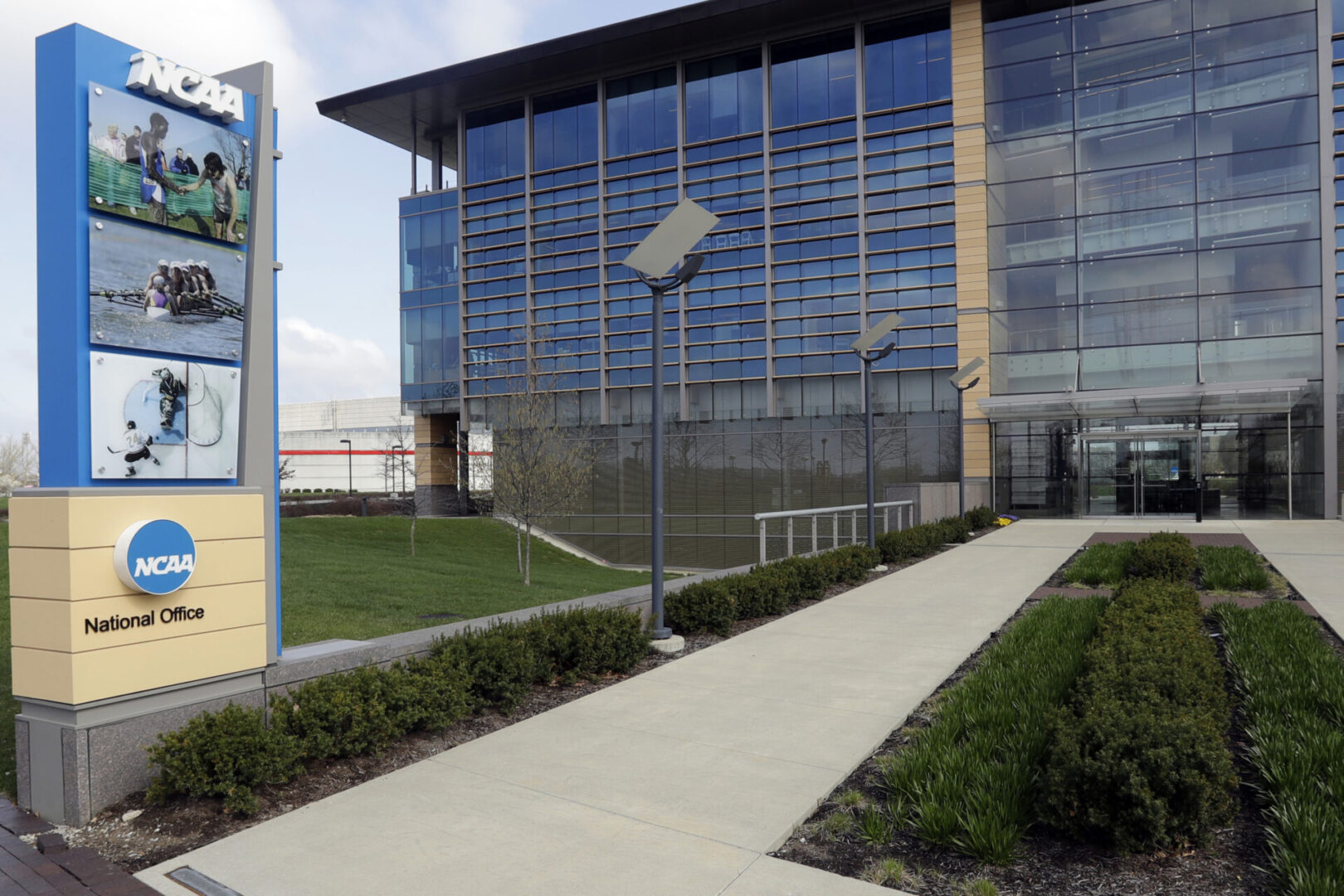
The NCAA was established during those first few decades to set national rules for player safety and to curb the excesses of these growing sports “franchises” on their campuses. Stagg’s own football power Chicago ultimately deemphasized football, as did the Ivy League.
Fans, coaches, administrators and media all see the excesses of this new era. And a settlement in one case will not fix what we’re facing.
College sports needs to convene a national constitutional convention that can present an entirely new governing structure. The range of issues goes well beyond just NIL and revenue sharing.
In the past two weeks I taped podcasts based in the UK and in Hong Kong. Part of the pre-taping conversation was a discussion of the big sports enterprises on our college campuses. The size and scope of college sports was eye-opening to these hosts.
This country has always been unique in that respect.
In 2025 we’ve just seen the latest jolt to the college sports system. Scholarship limits are out, roster size limitations are in. Pay to play is in, NIL is in provided it falls in line with “far market value.”
This system will have a new governing body that will enforce the rules regarding NIL and paying players. Note: the correct euphemism for paying players is “revenue sharing,” and remember the players are NOT employees.
It will also require athletes (we can drop the pretense of the term “student-athlete” now) to get approval for any NIL deal of $600 or more (a ridiculously low number) through a clearing house.
The proponents state that this new structure will have enforcement with real teeth. They believe the threat of strong sanctions will keep everyone in line. But we’ve seen this movie before. Rules that were set to level the playing field have been and will always be skirted or ignored by people who are willing to deal in cash and lie.
And this new structure only holds until future litigation derails it. Title IX lawsuits are on the way. Future athletes who were never part of this settlement will sue to assert their rights. It will face challenges because players may demand to be treated like employees and have collective bargaining.
What about the player who has exhausted his or her five-year eligibility limit and may be able to make more NIL and revenue sharing money by staying in college rather than playing overseas? How can the NCAA limit their careers; is that not a restraint of trade?
The point is that this thing is a long way from being settled. That’s generally how things end up when leadership allows events to overtake them through litigation rather than by asserting leadership.
The time has come for a true constitutional convention for college sports.
And this constitutional convention should include not only university presidents, athletic directors and coaches. Presidents, ADs and coaches all have agents, and they jump around every couple of years. Many of them are like NASCAR drivers wearing the team logo that puts the most money in their pockets.
It is also important to note that their financial interest often runs counter to what is best for a school. After all, management does not allow a union to unilaterally dictate how a company will operate.
Given the transient nature of these employees, a university’s decision on the foundational values of its athletics department should be decided at the governing board level. The core values of a university should be directed from the top down honoring long established beliefs.
In the Big Ten, television executives, presidents and ADs made the decision to take the league to the West Coast. The governing boards of the universities were informed when it was a fait accompli.
Now many schools may be poised to walk away from the NCAA in football.
Taking a university out of the NCAA is bigger than just the athletics department. At several universities, the shortcuts now being taken to try to rack up success in football and basketball would surprise you. They threaten the integrity of the university.
Anyone who knows my history can tell you that I am no fan of the NCAA. But they do require schools to enforce academic standards and limit eligibility by requiring progress towards graduation. They report Academic Progress Ratings for every school and sport so that potential athletes and their families can make informed decisions.
Indeed, lost in all the NIL/House Settlement/revenue sharing/transfer portal discussions has been any meaningful mention of what this means academically for players and for schools.
The governing boards of these major universities have been on the sidelines for much of this. None of these decisions have required approval by the governing boards. As we look to define the very core of what these sports entertainment enterprises will become, these are existential questions with answers that will stretch into the future.
As such, representatives of these governing boards should be part of shaping that future. It is too big to trust people who have a financial interest in winning at any cost.
To be sure, involving trustees in shaping the future is no guarantee that they will ensure the integrity of the mission. Anyone who has ever served on a board can tell that many of them are partially populated by “fan-boy” types who are more interested in winning than academics. Many boards don’t even have a standing committee or subcommittee to oversee an area that can do incalculable damage to the reputation or academic integrity of the school.
But on a national scale, the people who bear the greatest fiduciary responsibility at each university need to be part of the solution.
So why should there be a constitutional convention?
- The solutions for what is best for all of college athletics should not be dictated by two or three of four conference commissioners alone.
- To date, waiting on Congress to act has been fruitless. And there does not appear to be any solutions on the horizon.
- An executive order by the president will ultimately result in more litigation.
- It is time that schools across the country faced the issues, came to a consensus and then presented it to move forward.
- We need to define the academic structures that will govern this new world order. Or we need to decide that the academic part of athletics is not relevant and create a non-academic pro sports apprenticeship program for our players.
- Most importantly, the universities need to honestly define what exactly it is that we are doing. Are we here to educate our athletes? Or are we here to just entertain alums, fans and friends and hope that while we do that and rake in their money that some of our athletes will leave here with some kind of meaningful education?
In the absence of crafting a new national college sports constitution, there will be laws passed and legislation and litigation coming that will challenge this settlement reality. As such, it is time for a legitimate constitutional convention for college sports that includes all the stakeholders from the schools, and a players’ union.
From that assembly we as the universities that play college sports must issue a consensus that clearly and honestly addresses reality. Until we present a thorough plan for the future, the lingering uncertainty will only invite more litigation and continue the current era where we are overtaken by events rather than leading the way.