
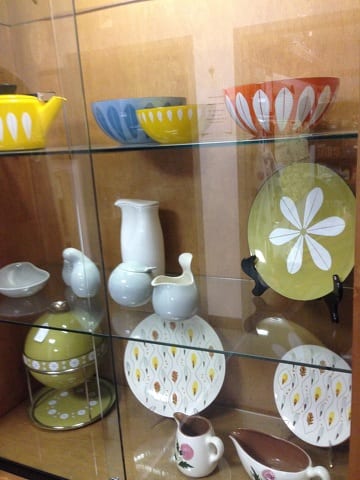
In the world of vintage and antique collectibles, the mid-century modern market continues to attract and retain enthusiastic collectors.
‘Mid-century modern’ is the term used to characterize the period of design extending roughly from 1933 to 1965. It evolved out of “moderne” trends — think Raymond Lowey’s Studebaker and Kelvinator’s streamlined refrigerators — but really took off after World War II.
As more and more “atomic ranch” homes came to be built in urban neighborhoods, middle-class families sought similarly styled furnishings. Modern designers were more than happy to accommodate them, creating wares that made the family home an informal and colorful place, with an emphasis on organic, or themed-from-nature, motifs.
There are many aspects of this design period, from architecture and automobiles to furniture, textiles and toys. Four of the many women designers who were creating bright, colorful housewares that were mass-manufactured for the modern home were: Kay Hackett, for Stangl Pottery, of Trenton, N.J.; Grete Prytz Kittelsen, for CathrineHolm, of Norway; Eva Zeisel, for Red Wing Pottery, the Museum of Modern Art and Castleton China; and Frances Higgins, for Higginsware, Chicago. Products created by these four are highly collectible.
Stangl Pottery was one of the most prolific manufacturers of mid-century dishware, offering many lines distinguished by their vivid, playful, and sometimes unusual designs. Kay Hackett, as one of Stangl’s main designers, was responsible for many of the patterns still popular with collectors today, including the thistle, magnolia, Amber-Glo and blueberry patterns.
During her employment at Stangl, Hackett designed at least 40 dinnerware patterns that were put into production and more than 100 miscellaneous novelty and artware items. Many collectors today consider them the most prized of all Stangl products. Some of those patterns, such as the thistle, command high prices if items are in good condition; her lines of children’s dishware with nursery rhyme, train and airplane and kitten/puppy images, among others, are harder to find and very desirable among collectors as well.
Grete Prytz Kittelsen, born Margrethe Adelgunde Prytz in Norway, is best known for her colorful and organic enamelware created for CathrineHolm. A goldsmith, enamel artist and designer, Kittelsen is one of the best-known Norwegians in the Scandinavian Design movement.
Perhaps most popular among collectors is the line of brightly colored enamel kitchen and serving ware created for CathrineHolm — most familiar to collectors are the bowls, pots and chargers that have a repeating lotus leaf design along the exteriors, but sometimes also stripes and plain, bold colors without decoration. One way to tell whether an item is a genuine CathrineHolm is the etched company label found only under pot lids.
Condition is very important to collectors — extensive chipping, surface marks and discolorations can affect value and prices, as can colors. Red, orange and yellow are desirable; blue and black examples are harder to find and thus more valuable.
A “maker of useful things,” Eva Zeisel was a Hungarian-born designer who created modern porcelain for Stratoware, Castleton, Red Wing and Hall China. For Castleton, she created lines known as “Museum” and “Castleton White,” manufactured and sold for several decades, initially in all-white as designed by Zeisel, and later with a wide variety of decorations.
That success led to a relationship with Red Wing Potteries, for whom she designed the biomorphic “Town and Country” line, and then to a commission from the Hall China Company to create her most popular lines, “Tomorrow’s Classic” and “Century.”
Zeisel’s work tends to be either all-white, with a simple, organic image at the object’s center, or colorful and without decoration, as with the Town and Country line. Most items she designed are marked, but several lines have been reissued. Checking with a reference such as Miller’s Antiques Marks is handy here to be sure you’re purchasing a period example and not a newer one. Stratoware is the hardest to find, especially in good condition.
With her husband Michael, Frances Higgins was a pioneer in the rediscovery and refinement of the ancient art of glass fusing.
The Higgins’ studio first operated out of their Chicago apartment, with kilns set up behind the sofa. Everyday items, such as bowls and plates, were transformed through an arresting mix of geometric and curved lines and bold use of color into objects still useful, yet also visually vibrant and exciting. Promoted as “an exclamation point in your decorating scheme,” the unique blend of artistry and practicality that Higgins glassware offered quickly attracted buyers.
Working round-the-clock in split shifts, the Higgins met ever-increasing orders from such major retailers as Marshall Field’s, Georg Jensen and Bullock’s Wilshire. In 1957, their studio moved to more traditional surroundings, thanks to a partnership with Dearborn Glass Company of Chicago that led to their heavily promoted line of “Higginsware.” Look for glass dishes, bowls and platters in good condition.
You can further your own research into this movement and its designers by picking up Greenberg’s “Mid-Century Modern: Furniture of the 1950s,” considered one of the authoritative works on mid-century modern.
Lee Carpenter is a third-generation collector whospecializes in vintage jewelry, mid-century housewares and Scandinavian design.
More Community
View all Community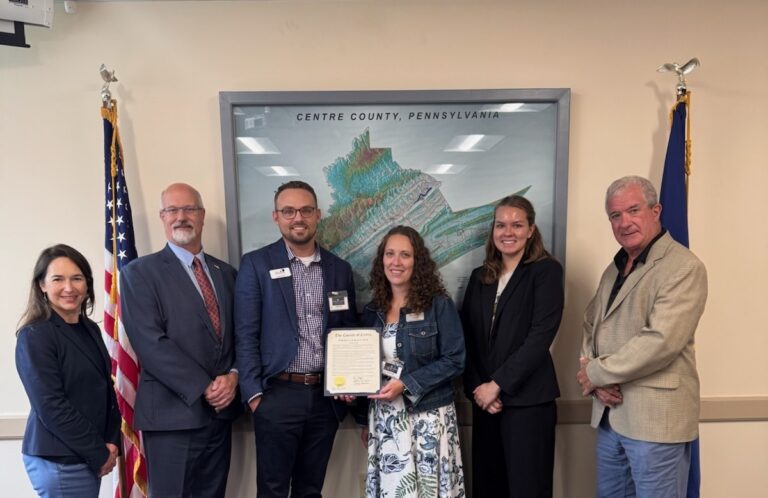
Commissioners Recognize Hunger Action Month in Centre County, Where 1 in 8 Face Food Insecurity
The Central Pennsylvania Food Bank is preparing to release the results of a yearlong Community Hunger Mapping project examining food insecurity and access to assistance throughout Centre County.

New Multi-Roaster Coffee Shop Third Planet Opening in State College This Fall
A longtime State College resident and coffee expert is preparing to open a new downtown shop centered on a rotating selection of light-roast, single-origin coffees from roasters across the country. […]
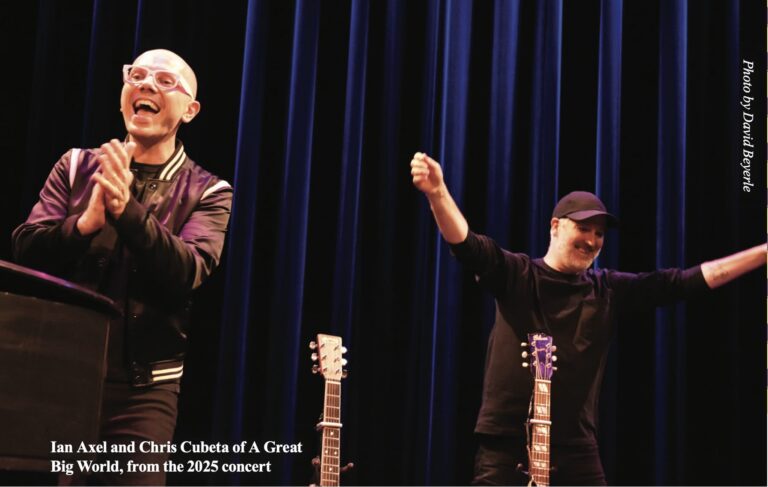
Music for a Mission: State College Food Bank Celebrates Community Support With Fight to End Hunger Concert
The State College Food Bank is hosting the second annual Great Big Fight to End Hunger Concert at the State Theatre on Sept. 14, featuring the Grammy Award-winning band A Great Big World.


