
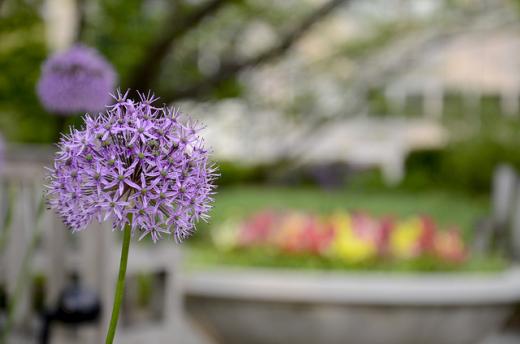
With summer right around the corner, and as we look forward to more time outdoors, so many of us also have to deal with seasonal allergies.
What should we know to properly prepare our immune systems to aid in dealing with the onslaught of pollen and new airborne inhalants that come with the changing of the seasons?
Traditional allergy therapies focus on addressing the IgE-histamine response of individuals with hereditary allergies, typically seen in hay fever and asthma.
Decongestants and antihistamines are the conventional drug treatments of choice for these seasonal allergies. Mainstream allergists often use allergy shots. Increasing amounts of allergen extract are injected over time to lessen the symptoms of allergen exposure.
Herbalists and naturopaths, like myself, use normalizing herbs called “adaptogens,” which function through hormone regulation. This discipline focuses on the body’s interaction with the environment and its effect on human health and disease.
We typically seek to isolate the individual from allergens and institute dietary changes often coupled with nutritional supplements. Nutritional and herbal regimens can provide relief and support the immune system without the toxic side effects of many prescription medications. Since allergic reactions are inflammatory processes, treating the immune system is paramount.
Quercetin, a flavonoid found in fruits, flowers and herbs — may reduce IgE formation, inhibit the release of histamine, and reduce or eliminate allergy symptoms. Additionally, quercetin is said to control asthma as an antioxidant and an anti-inflammatory compound.
Carotenoids, found in fruits and vegetables, are powerful antioxidants and in part act to reduce leukotriene production and strengthen the respiratory tract lining. A diet high in carrots, yams, pumpkins, greens and other foods high in carotenoids and xanthophylls reduces allergic reactivity.
Antioxidants can reduce allergic reactions. Specifically, vitamin C is a powerful antihistamine with both preventive and therapeutic properties. It also suppresses broncho-constriction, which is important for those suffering from allergic symptoms.
A high level of vitamin C, with supportive bioflavonoids, is an important part of any good daily dietary regimen. A common allergy recommendation for vitamin C is 1,000 – 2,000 mg three times a day.
Garlic has also been shown to suppress the overproduction of IgE. Garlic is also a potent antioxidant herb and immune system stimulator and contains relatively large levels of quercetin.
Vitamin A and Zinc may also alleviate allergy symptoms and prevent sinusitis infections. They help to heal the gastrointestinal mucosa, in turn improving or normalizing the antibody response to antigens, which is often misappropriated in people with allergies.
Nutritional and herbal medicine may offer benefits for the allergic person by improving general well-being and reducing allergic symptoms. In addition to proper diet, herbs and supplementation can help support the immune system, strengthen the lungs, and help maintain a more controlled response to allergens.
Detoxification programs are often beneficial. A body that is less congested is less allergic. Reduced intake of mucous producing foods, such as dairy, wheat, citrus or gluten may prevent the production of catarrh, a thick mucus secretion in the nose and lungs. Reduction of stress may also play an important role in the treatment of allergies.
Seasonal allergies are fairly predictable and a proactive approach of supportive foods, herbal and nutritional supplements, as well as minor lifestyle changes, may offset the worst symptoms.
Julie A. Wilczynski is a traditional naturopath, counselor of natural health, certified nutritional consultant, certified personal trainer, yoga and pilates instructor. For more information contact Julie at JulieAW@zoominternet.net.
More Columns
View all Columns
Paterno: Keep the Faith and Stand Your Ground, Penn State Fans
One of the great leadership lessons from Lincoln was the lesson of the letter. When he was angry, he would write a letter to the person who’d angered him. He’d […]

For Starters, the Nittany Lions’ Identity? 42% Penn State, 40% Iowa State
Matt Campbell uttered the same three words again and again and again on Tuesday in his press conference in Beaver Stadium — where he and his Nittany Lions return on […]

100 Years for State High’s Band: Time Flies When You’re Having Fun
Since its inauguration in October of 1937 as the State College High School football field, Memorial Field has produced some remarkable memories. It has showcased the shining talents of six […]


