

Exercise can mean so many things to so many different people that it can be hard to talk about it in a straight and narrow, concrete way.
When people decide to start exercising, it’s typically to get in better shape and to feel better from the inside out.
But with elite gyms and super in-shape people all over them, exercising can be extremely intimidating and even more confusing. What do I do? Where do I do it? Am I doing this right?
Gym anxiety is something that even extremely fit people experience when going to the gym, so don’t let that discourage you from doing something that will make you feel better all around, especially as you start getting older. Research shows that once people reach age 50, they should be more concerned about their fitness than ever before.
Not only does exercise help you lose body fat, but it boosts your mood because of endorphins released during exercise. It also gives you energy, reduces your chances of getting an illness or chronic diseases, improves sleep and is good for your brain.
No one is ever too old to start exercising, even if he or she has never done it before. As with any beginner at any age, adaptation can take a little while and must be something gradual that you work into. The most important element to senior fitness is frequency — something that is continuous every single week for multiple days — whatever that means for each individual.
If you can only sustain exercising twice a week, then go twice a week and work your way to three days then four and so on. This could take months, but don’t be discouraged. Within just a month, you’ll notice how much better you feel and look already.
The key to exercising is to have fun and find something you love to do. The first thing an older person needs to start doing is working up cardiovascular strength, otherwise known as cardio. This gets the heart and body used to exercise before other, more intense workouts come along. The Center for Disease Control recommends walking briskly for at least two hours and 30 minutes per week, or 30 minutes per day, five days a week.
Weight training is equally important and should be incorporated at least two days a week, even if you begin with just a 2-pound dumbbell.
If you have bad joints, consider exercising in pools. That’s is easier on joints and can sometimes make working out harder because of the pressure and resistance of the water. There are even pool weights you can use.
The most important thing is to make this a habit and keep your motivation up. You can do this by taking photos every few weeks to show your progress, looking up YouTube videos of other athletes your age, or even writing your workout down for the week ahead. Short-term goals, something that can be achieved within a few weeks, are also extremely helpful to keep you motivated.
Once you start reaching your goals and feeling better, you’ll get addicted to the good endorphins flowing through you.
More Centre County Gazette
View all Centre County Gazette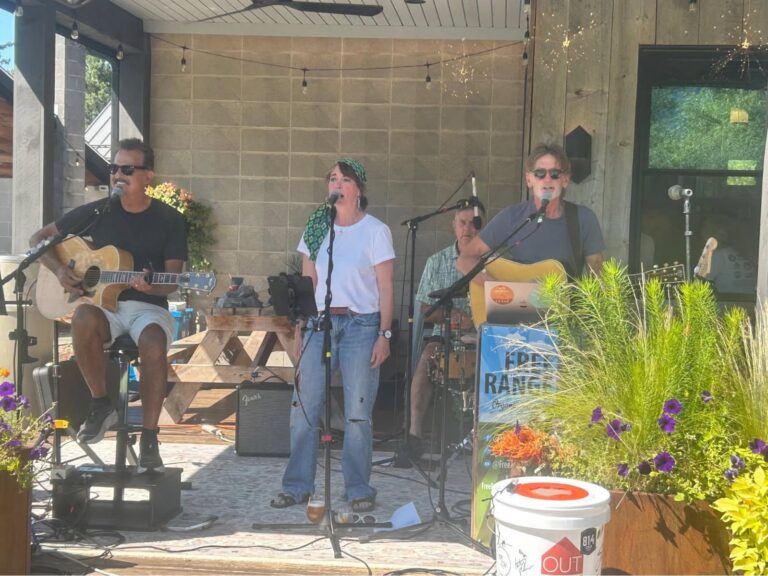
ShelterFest Returns to Support Out of the Cold’s Mission
Out of the Cold is inviting the community to ShelterFest 2026, a four-day celebration of live music, local food and community support that helps ensure some of Centre County's most vulnerable residents have a safe place to sleep.
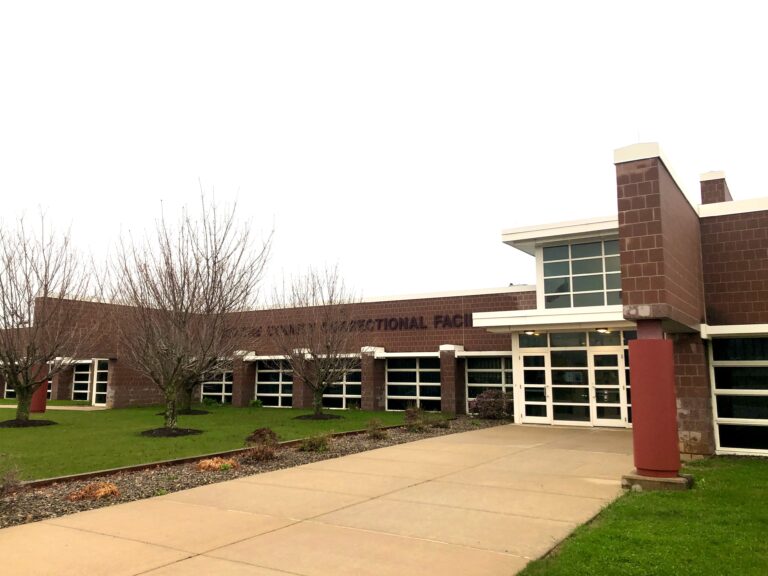
Centre County Jail Population Falls to Lowest Level Since 2005
The inmate population at the Centre County Correctional Facility has fallen to its lowest level since the current jail opened in 2005, a trend officials attribute to expanded diversion programs, re-entry efforts and changes in probation laws.
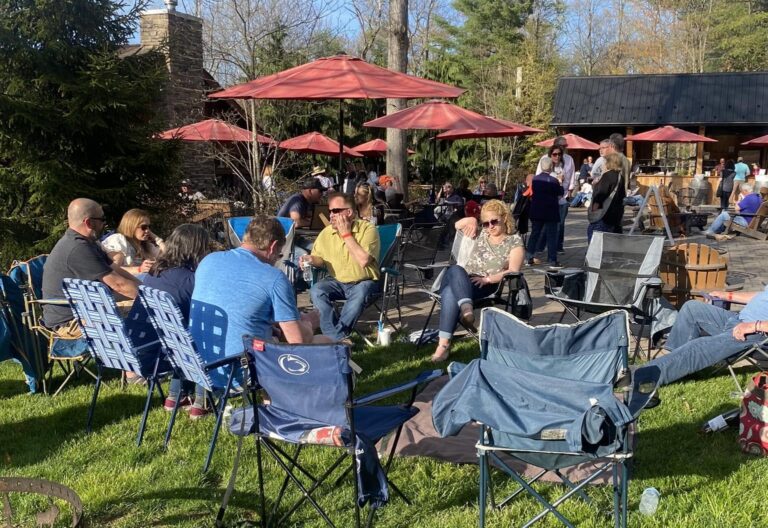
A Promise Kept: The Hope Fund Celebrates 5th Annual ‘A Toast to T.J.’ Event
What began as a community rallying around a young husband and father battling a rare form of cancer has grown into The Hope Fund, a volunteer nonprofit that has quietly helped more than 300 Penns Valley families facing medical emergencies…


