
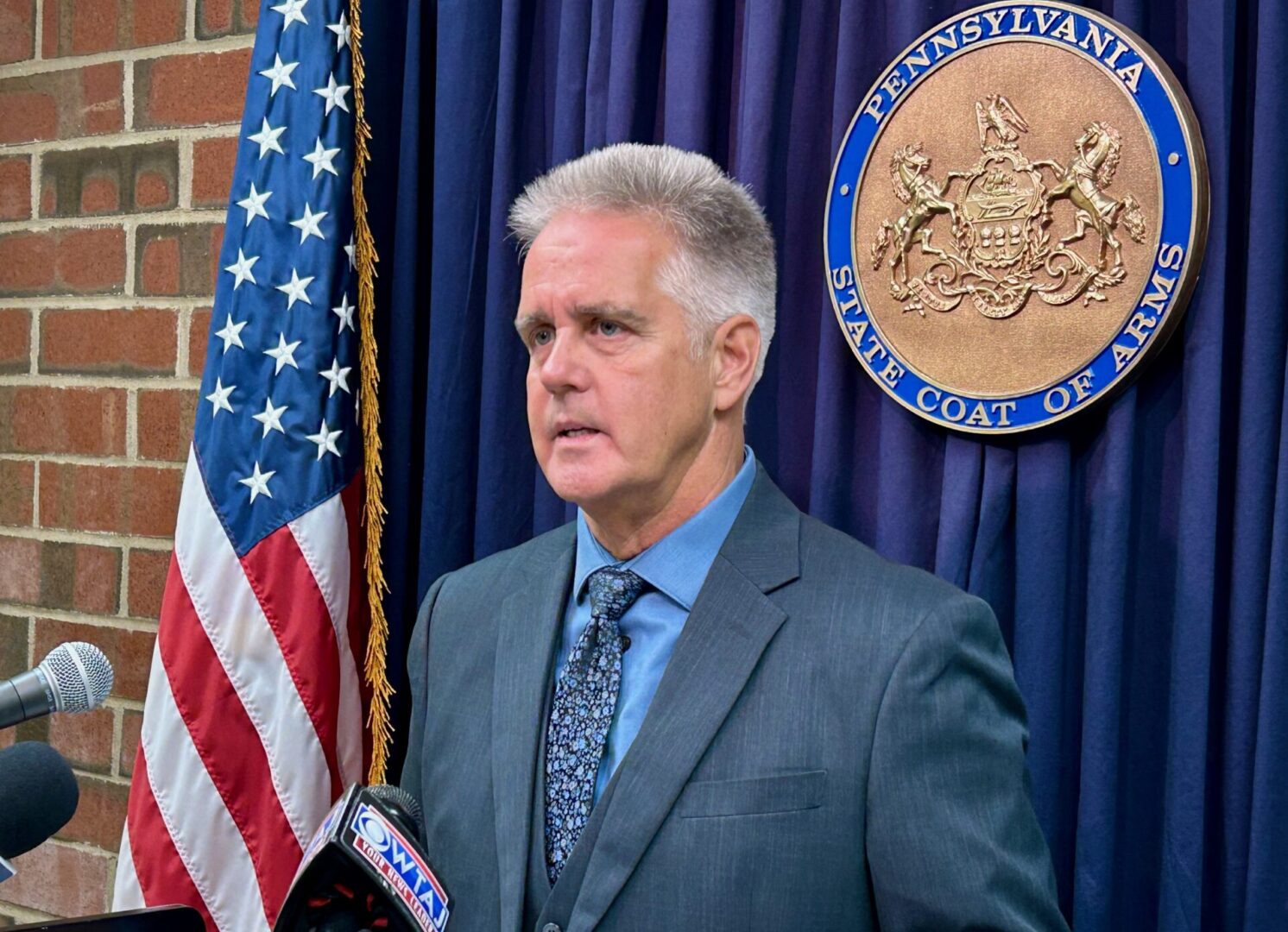
A Centre County lawmaker is calling on the commonwealth to evaluate the possibility of property tax exemptions for older adults.
State Rep. Scott Conklin, D-Rush Township, introduced a resolution on Monday urging the bicameral Pennsylvania Legislative Budget and Finance Committee to conduct a feasibility study and issue a report on exemptions for qualifying seniors.
“Aging in place—in the homes and communities they love—should be a realistic expectation for Pennsylvania’s more than 2.5 million residents who are 65 or older,” Conklin said a statement. “Yet that future is far from certain for the growing number of seniors on fixed incomes, who face the risk of losing their cherished homes as property taxes increase.”
Most states offer some form of property tax relief for older adults, including Pennsylvania through the Property Tax/Rent Rebate Program. That program, which expanded eligibility in 2024, provides rebates ranging from $380 to $1,000 annually for Pennsylvanians 65 and older and other qualifying individuals with annual incomes ranging from $0 to $48,110. Supplemental rebates are also offered to those most in need.
But 16 states provide direct exemptions for at least a portion of property taxes for older adults who meet income limitations, according to Realtor.com, and Conklin said it’s time for Pennsylvania to look into doing the same.
“A number of other states currently offer some form of property tax exemption for qualifying seniors,” Conklin said. “Pennsylvania should investigate whether it would be feasible to do the same, which is why I am calling on the Legislative Budget and Finance Committee to research the feasibility of providing such an exemption.”
Pennsylvania does not collect state property tax, but taxes on real estate represent key revenue for school districts, municipalities and counties.
The memo accompanying Conklin’s resolution states it is intended for the legislature to understand how it “can prevent seniors from losing their home.”
“Our seniors have built our businesses, shaped our communities, and helped lay the groundwork for younger generations,” Conklin said. “They shouldn’t have to fear losing their homes because of the burden of property taxes if there is a way we can prevent that from happening.”



