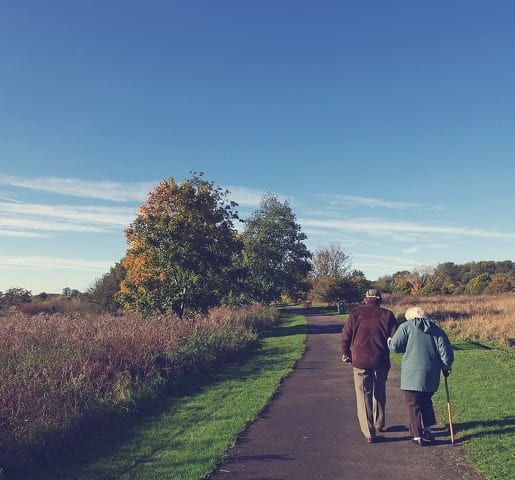
The early signs are hard to detect. Decisions that don’t seem quite right. Bits of conversation that are hard to follow. Increased anxiety and a reliance on schedules. Misplacing things. Difficulty with disruption to one’s routine. A change in the ability to do simple tasks like writing a check or working the microwave. Memory loss.
Dementia. It is the catch-all term for a variety of symptoms and causes that will impact many of us if we live long enough. Dementia is a devastating condition that changes the life of the patient but also the lives of those in their social network. The options for treatment and care are hard to find, expensive and need to align with the individual’s personal situation.
My mother has dementia.
Since we lost my dad almost 20 years ago, my mother has lived alone. She was active. She drove to get to where she needed to go including visiting my siblings who live out of town. She volunteered with local organizations and with her church. She helped with babysitting the grandkids, did crafts and had a circle of friends and neighbors. Living alone, however, can be tough. With jobs and families and kids growing up, her circle became smaller. Her unwillingness to step out of her comfort zone became more prominent. Although we didn’t always see her in person, she often bragged that she usually heard from each of her four children by phone or by visit every day.
An early morning call on a summer morning three years ago that “something is wrong” led to an ambulance ride and an emergency room visit. That visit was the catalyst that finally pulled my siblings and me into the same space. We had each been questioning on our own. When we finally put the pieces of the puzzle together, we knew that we were dealing with more than just loneliness and being set in her ways.
“Your mom is physically healthy” said her doctor. “This is the beginning of dementia.”
For most families, this is the chapter of the story where things start to get rough. Having to insert yourself into someone else’s life because they cannot care for themselves may be among the hardest things that life throws at us. Anger. Frustration. Doubt. Fear. We experienced it all.
If you talk to my mother today, even in the advanced stage, she will tell you “they took my car away from me.”
The next year or so was about increasing intervention. We worked out the details for alternate transportation. We started accompanying her to doctor’s visits and managing medications. We set up Meals on Wheels. We worked out a schedule for a calendar of regular visits and phone calls as well as a system for all of us to communicate more effectively. We learned of local resources to help us. The Centre County Office of Aging. Her amazing doctors at Geisinger. I attended several information sessions sponsored by a collaboration of local agencies called Adult Caregivers of Aging Parents. We learned that Encompass Health Rehabilitation Hospital in Pleasant Gap (formerly Healthsouth) offers an objective assessment of driving skills. We met with a private social worker (who we quickly determined to be an angel on earth) to help us navigate as well. Deb built a relationship of trust with my mom and was able to talk to her about things that her own children could not.
We did everything we could to support her independence and her way of life.
When the stove, and care for her little dog, and the fear of being by herself became too much for my mom, the social worker was frank. “We need to start thinking about getting you some more help,” she said with kindness. “Do you want to have someone come into your home? Do you want to live with one of your children? Would you prefer to go to a facility?”
My mom chose a facility.
Thankfully, my parents had prepared for their future. After several rough months in transition, a hospitalization and the understanding that she needed more supervision than the first place could offer, she is now in a wonderful facility. I’m not sure she is happy, but she is safe. The staff tell us she is pleasant and cheerful. She gets more visitors than anyone else and she tells us she knows that we love her. It is the best case scenario considering the cards we have been dealt.
In a study that a friend shared just yesterday, an alarming number of people when asked tend to downplay their risk or understanding of the risk for developing dementia and Altzheimer’s. Although making good choices in your younger years can help – not smoking, cutting down on alcohol, staying physically and mentally active, a good diet, and taking care of one’s health – it will happen to an alarming number of us. The statistics project that of those of us who make it to age 85, about a third will have some symptoms of dementia. The risk is higher for women and minorities.
Not everyone who has dementia has resources or family to help them through it. Many people go undiagnosed or alone. Many of those are at risk to themselves or to others. It is a devastating disease.
I miss her in the mornings the most. A call to my mom before or on my way to work was part of my morning routine for as long as I can remember. I miss the conversations we had. I miss talking to her about the inane things, the big things and knowing she was there. I miss my mom. Although we are still able to talk about the past, reliving stories and memories that bring her comfort, it isn’t the same.
Dementia is fear of the unknown. Dementia is guilt that we aren’t doing more or that we made the wrong decision. Dementia is grief and feelings of loss for a person who hasn’t passed away.