In a society where individuals have a right to speak, write and assemble freely, to recognize like-minded persons and preferentially interact with them, especially on matters of public policy and actions by government at all levels, political parties are inevitable. Or so it seems to me. I was therefore surprised to learn that President George Washington was firmly opposed to them. In a farewell address near the end of his second term, he explained his misgivings about them in considerable detail.
Washington feared that strong political parties might give rise to a despot. That concern also surprised me. I think that despots are unlikely in our republic because of the constitutionally mandated separation of executive, legislative and judicial powers.
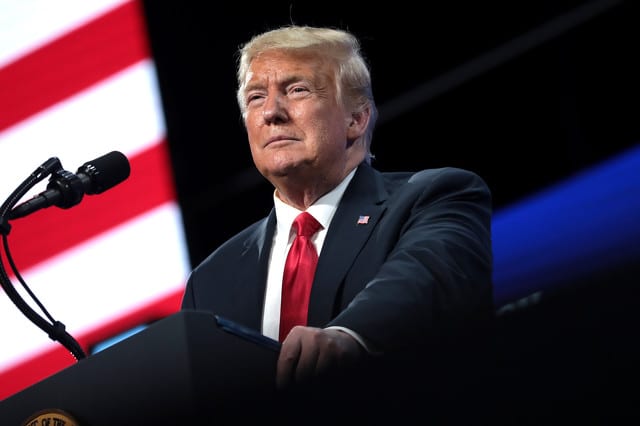
Washington wrote about the “spirit of party”, inseparable from human nature, and undesirable effects it would have (‘enfeeble the public administration”; “agitate…ill-founded jealousies and false alarms”; “kindle the animosity of one part against another”; ‘foment… riot and insurrection”). That strikes me as a surprisingly cynical outlook, but if events during the past four years are any indication, Washington was remarkably prescient. We have observed such effects since Donald Trump announced his candidacy for president as unscrupulous, malicious and seditious Democrats mischaracterized or lied about Trump’s intentions, actions and words.
It’s unclear whether that Democrat “spirit of party” is approved by most Americans or rejected. We’ll find out on November 3.
Phil Edmunds
Boalsburg