
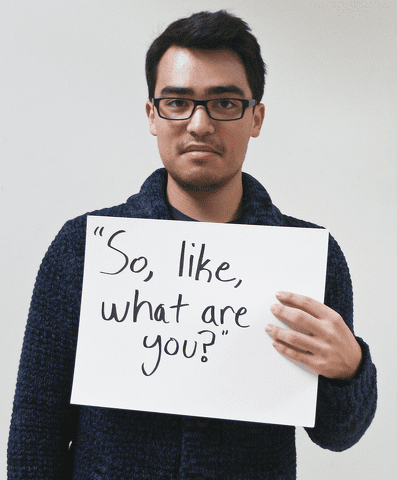
People who know me will confirm that I am somewhat of a radical when it comes to disabilities.
I have spent most of my career working with and advocating for individuals with disabilities.
Many of my friends and colleagues have heard my gentle corrections on the use of “person first” terminology for people with disabilities. (Use “child with autism” versus “autistic child” or because it reminds us that the disability does not define the person).
My students have read my comments on their papers when they either patronize or do that super-hero thing we sometimes do with people with disabilities who face day-to-day challenges.
Despite my background and passion for equal rights and services for all, I’m just not getting the micro-aggression thing.
Recently, Penn State and other universities have been in the news regarding their attempts to create a safe and healthy learning environment for all. Launching new core values statements and in support of the mission of the university, Penn State administrators are encouraging people to notify authorities if they witness or experience intimidation, discrimination, or ethical violations on campus and are making sure that people have access to the proper resources to do so. All good — but have we gone too far? Are people being too sensitive?
On some college campuses, including Penn State, the list of negative behaviors includes micro-aggressions.
Micro-aggressions are those day-to-day slights, negative comments, or insults — either intentional or unintentional — that we hear based on a characteristic that people might use to discriminate against us.
For example, someone asking an Asian student if he or she is good at math would be considered a micro-aggression. Telling someone who is not white that they “don’t even have an accent.” Calling something gay as a criticism. Micro-aggressions are not as blatant as openly discriminating against someone, but instead allegedly demonstrate negative attitudes and biases that are hurtful.
What is the best way to frame the issue of insensitive communication and negative attitudes? Is it through regulation or education?
Last semester, I received an e-mail from someone younger than myself who made a reference to me having “memory” issues. Gosh, was that micro-aggression about my age? Was it about the fact that I am a blonde? Maybe I have forgotten something in my past dealings with this person?
Or maybe not. I’m sure he didn’t mean a thing by it.
I understand that it can be hurtful and denigrating when someone isn’t treated fairly because of bias about skin color, religion, sexual orientation, gender, or disability. Call someone a “retard” in my presence and you will quickly hear me react. On the other hand, do we have to turn it into a report or a fine or a negative consequence… or can it be a teachable moment? How do we learn and live with other people unless we occasionally overstep or cross the line?
Those awkward “ah-ha” moments and getting called out for being negative can be life-changing for people.
In the very early days of my career, in one of my first supervisory roles, I was in the position of hiring people for my team. The programs that we provided were for people experiencing mental health issues. The clients were tough and many brought with them things in their backgrounds that were horrific — both in what had been done to them and what they had done to others. In what I thought was a very open and transparent hiring process, I would ask interviewees how they would feel about working with someone with a history of criminal activity, sexual abuse, or homosexuality. It was later pointed out to me by someone I’d hired that my questions in and of themselves were not offensive, but that the order of my questions was very troubling.
Gulp. The best thing about that life lesson was that I was horrified when this indiscretion was pointed out to me. This led to some big self-examination about my opinions. Needless to say, it never happened again. I later thanked the person who pointed it out for talking with me directly and helping me take that much needed look inside.
If someone says something unintentionally hurtful that comes from a place of misinformation or lack of understanding, it’s not the same as discrimination.
More importantly, if we are so focused on micro-aggressions, does it mean we become immune to real and serious biasing and discrimination?
To me, the waitress who looks away from my brother-in-law in his wheelchair and asks us “What does he want?” is showing us she needs to be informed and educated, which is very different than an employer who won’t consider him for a job because of his disability. When we say “you can go ahead and ask him,” she may learn some things about herself and her attitudes that will help her be a better person for the next customer with a disability.
You can, as they say, catch more bees with honey than with vinegar.
Aside from concerns about free speech, focusing on micro-aggressions as reportable offenses rather than a learning opportunity seems counter-intuitive. If we want the hurtful comments to stop, we need to first point them out and give people a chance to be better.
More Columns
View all Columns
Subu Vedam: It’s Now One Year in ICE Custody
What is there to say about the case of Subramanyam Vedam at this point? Only this: Subu was released because, after 43 years in prison, a Centre County judge agreed […]
Penn State’s Matt Campbell Says Decisions vs. Wisconsin Have Gone Through His Head ‘A Million Times’
So, you think you’ve been second-guessing some of the decisions Matt Campbell made on Saturday night in Beaver Stadium? Join the crowd — it’s a big one. And it includes Campbell […]
Hook: The Protect College Sports Act Is a ‘Get Out of Jail Free’ Card for NCAA and Its Members
President Ronald Reagan was fond of saying that the nine most terrifying words in the English language are: “I’m from the government, and I’m here to help.” Which is a […]


