
Centre Area Transportation Authority riders will have more options for payments with the introduction of a new system that the public transit agency’s CEO said “brings our fare collection into the 21st century.”
Token Transit mobile validators will launch Aug. 1 on all CATA vehicles, allowing riders to make contactless payments with their smartphones. Riders can download the Token Transit app from the App Store or Google Play to purchase fares, scan a QR code with the validator when boarding and store passes for future use.
The system “enhances the efficiency of the boarding and transit experience,” according to CATA, and eliminates the need to carry cash or tokens to ride.
Cash and tokens can still be used for fares, but CATA CEO David Rishel noted that few riders still use the traditional forms of payment.
“Fewer than 10% of our passengers pay with cash anymore, and this new system offers so many ways to make it easy to buy passes and to use your smartphone to pay your fare,” Rishel said in a statement. “We will still collect cash and tokens for those who want to pay the traditional way, but we now offer so many other options, many with discounts.”
He added that “thousands of people” have already activated accounts for the CATA mobile payment system.
Along with mobile payments, CATA will offer reloadable smart cards and new paper tickets featuring QR codes that can be purchased at the customer service center, 108 E. Beaver Ave. in State College.
Starting in the fall, riders will also be able to tap to pay using credit/debit cards or a mobile device, an option that the authority says will make it easier for visitors to the State College area to use CATA.
Riders can visit the customer service center for step-by-step instructions on using the Token Transit app and mobile validators. Individuals with questions about the system can also call CATA customer service at (814) 238-2282.
The new mobile payment system is one of several changes going into effect for CATA services this year.
Beginning July 1, the cost per trip for CATA fixed-route and CATA Go microtransit increased for the first time in five years, from $2.20 to $2.50.
Changes also include expansion of the three CATA Go service zones to reach the outer township lines, ensuring all locations within CATA’s member municipalities have access to CATA Bus or CATA Go; increased peak frequency for the Red Link on the Penn State campus; and discontinuation of the B-Line to the Bellefonte area, which ended June 30.
More Local News
View all Local News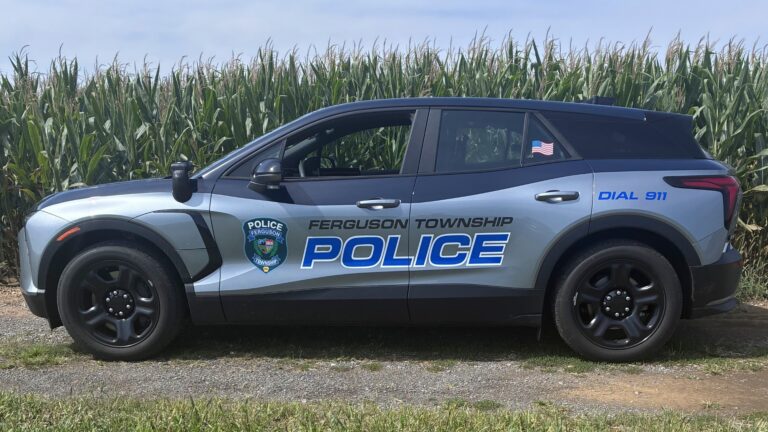
Ferguson Township Police Add Centre Region’s First Fully Electric Patrol Cruiser
Ferguson Township Police Department has added what the township says is the first fully electric patrol vehicle in the Centre Region to its fleet. The department is now using a […]

Penn State Introducing New Student Dining Plans, Pricing Tools for 2027-28
Penn State students will see changes to dining plans and on-campus food services beginning with the 2027-28 academic year, including two new meal plan options, adjustable dining dollars and new […]

Penn State Poised to Sell Two Closing Campuses
A Penn State Board of Trustees committee on Thursday recommended approval of the sales of two Commonwealth Campuses slated for closure at the end of the 2026-27 academic year. Pending […]


