As expected, the NCAA’s Division I Council ruled on Monday afternoon that all spring sport athletes will be granted an extra year of eligibility after the spring season was cut short by mass cancelations because of the COVID-19 outbreak.
The NCAA also ruled, largely as anticipated, that winter sport athletes will not receive the same benefit, the vast majority of those seasons having been completed or entering postseason play at the time of cancelations.
“The council’s decision gives individual schools the flexibility to make decisions at a campus level,” council chair M. Grace Calhoun, athletics director at Penn, said in a statement. “The Board of Governors encouraged conferences and schools to take action in the best interest of student-athletes and their communities, and now schools have the opportunity to do that.”
In addition, the NCAA has briefly adjusted financial aid rules to allow teams to carry more athletes on scholarship to account for incoming recruits and student-athletes who had been in their last year of eligibility who decide to stay. A slight but substantial wrinkle: for sports that offer partial scholarships, the NCAA is not requiring that athletics aid be provided at the same level awarded for 2019-20.
This applies only to student-athletes who would have exhausted eligibility in 2019-20.
The NCAA also increased the roster limit in baseball, the only spring sport with such a limit.
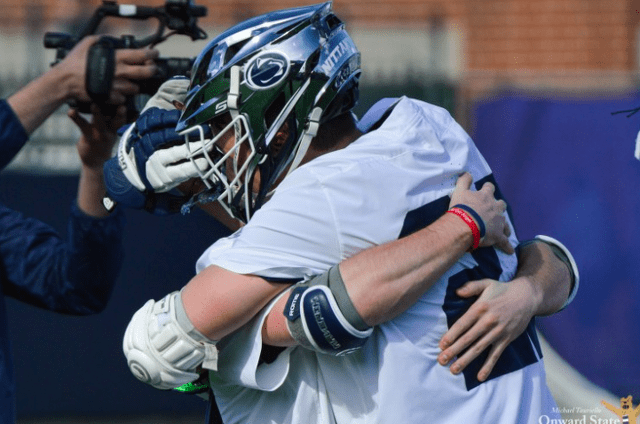
Penn State will have plenty of athletes set to make decisions in the coming weeks about their futures. Men’s lacrosse star Grant Ament announced earlier in the month that he will not return for an extra season. Several other Nittany Lion lacrosse players face a similar decision for a team that had high expectation before the season was cut short.