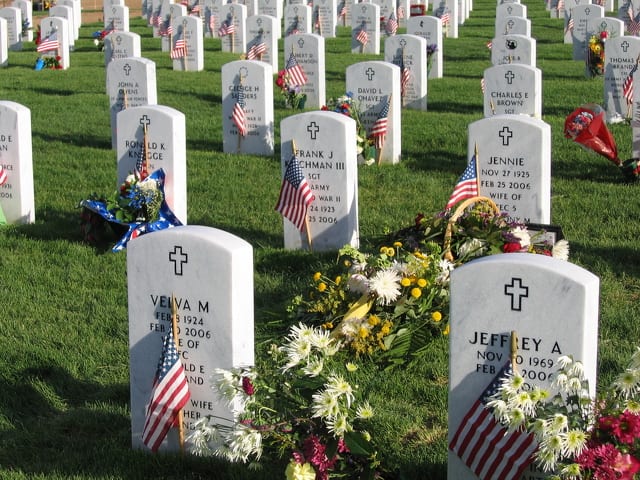
Today is the day we remember. Memorial Day is the day we remember those who have given their lives in the service of our county. We celebrate with family gatherings and public ceremonies to recognize and remember.
Memory. The process by which we store information for later use. A recollection of an event from our past. The act of remembering.
Scientists have studied memory and the act of remembering for centuries. How is it that we can remember an interaction that we had with someone years ago but can’t remember what we had for lunch yesterday? Is remembering how to do a math problem different than remembering the sound of a loved one’s voice who has passed? How accurate are the memories from our childhood, of interactions from our past and of the loved ones who are no longer with us?
The brain is like a supercharged computer. Of the thousands of stimuli we receive and encode every day, the brain filters those that are needed and temporarily stores them in our short term memory bank. When that information is repeated or creates strong emotions for us, that information is then transferred to another part of our brain for long term storage. When we remember, we pull from those storage banks to access what is called a memory.
For the many Americans who have lost a son or daughter, a parent or sibling or a brother in arms in the service of our country, memories and Memorial Day are personal. The rest of us remember the collective who served.
Social media this weekend was full of pictures and stories of real people and real families who had made the ultimate sacrifice. Friends who didn’t come back from war. Flag-draped coffins in an airplane hangar. Fathers and grandfathers, uncles and cousins who never came home. Tombstones and markers in cemeteries. Sharing memories of lost loved ones.
Memories about people are complicated.
My husband and his best friend were in a car accident a few years after college. His friend – my friend – didn’t survive the accident. When we look at his pictures and retell the stories from our youth, it’s interesting to see how the memories have softened and how the details around that horrible time have faded for most of us. The good stories are somehow funnier now. Our friend’s engaging personality and outrageous sense of humor are what most of us remember. For my husband, the details of that night are as clear today as when it happened.
I can remember many of the things my dad said and did but not the sound of his voice. I remember my grandmother when the aroma of one of her recipes fills my kitchen. Beloved pictures of my friends who are no longer with us bring back wonderful memories of times spent together.
Talk to a veteran who was “there” and you will see memory in action. Details of battles and brothers and dates and days, what happened and what and who were lost. The veterans who can’t speak of the memories of what they witnessed and memories of what they did to survive. Those who came back and whose memories became unmanageable and disruptive of their day-to-day lives.
Stimulus encoded. Stored in our memory banks. Strong emotions. Retrieving and recalling the memory.
On Memorial Day, we remember those who served and paid the sacrifice, including those who served and who continue to fight their memories.
Memories and our reaction to them are not static. Memories can be influenced by time and by the recollection and information presented by others. Our memories can be influenced by what we see on TV or read in the newspaper. Our memories can be influenced by the viewpoints of others. Recent research has suggested that our memories are actually influenced by the neurological process of recalling them. In other words, asking our brains to call up a memory may actually create new synapses — and therefore an altered memory — instead of relying on the old ones.
Studies have looked at the impact of sleep on our memories as well as our diet, exercise and environmental influences in the both the support and decay of memory. Remembering is a complicated process that allows us to bring our past and the people and events in our past, into the present time.
And today, we put those processes in place to honor those who have given so much. Today, we remember.