
Updated 2:50 p.m. Sept. 23 with comments from a Penn State spokesperson.
Two fraternity chapters that were suspended indefinitely by Penn State have joined an independent Greek life council operating outside university oversight.
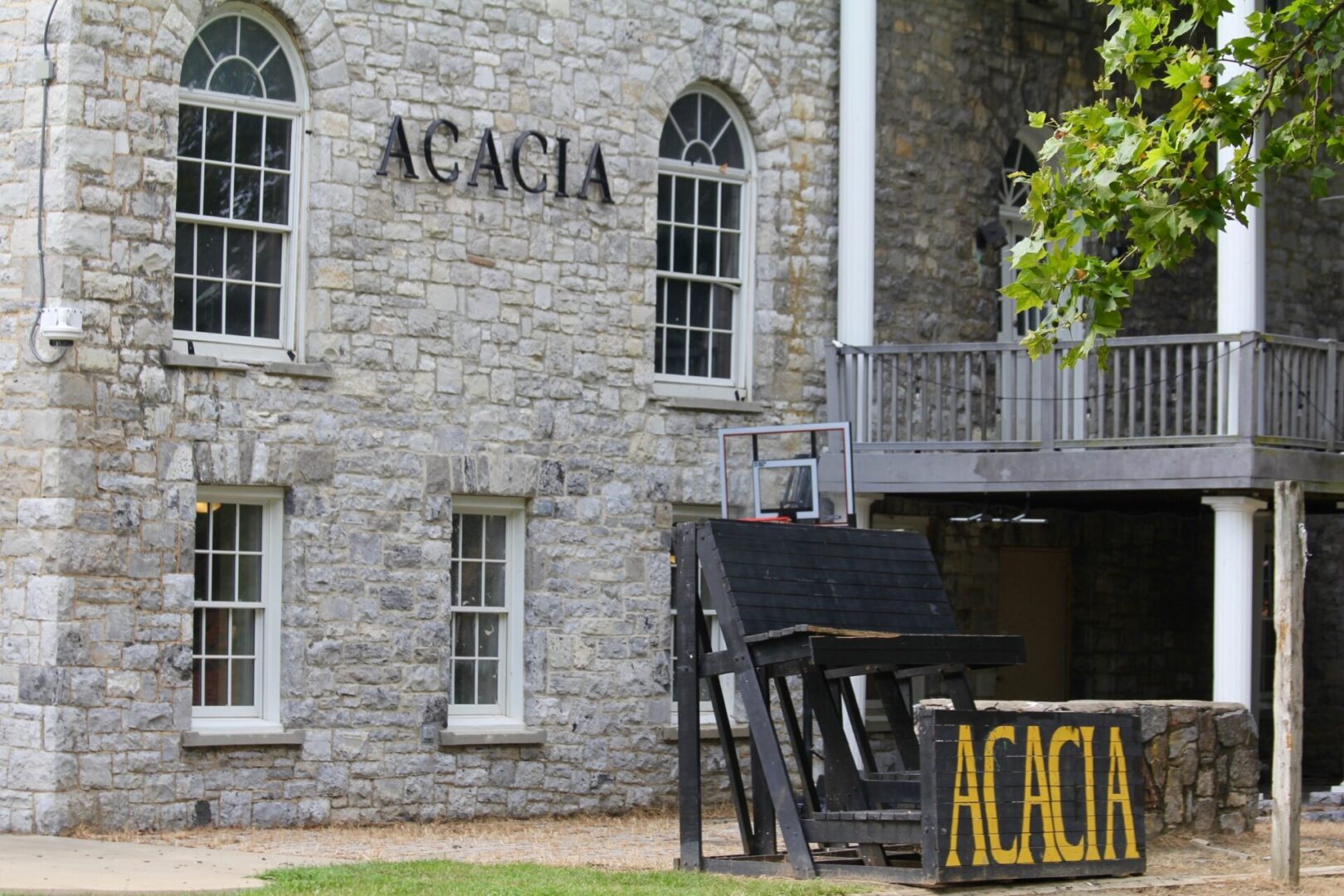
Acacia and Sigma Pi became the fourth and fifth members of the State College Interfraternity Council during its recent fall retreat and risk certification, according to a news release from the organization.
They joined founding members Tau Kappa Epsilon, Sigma Chi and Pi Kappa Alpha, which had been operating independently before launching the SCIFC in March.
Acacia and Sigma Pi were suspended by Penn State earlier this year following investigations into misconduct and hazing. Both voluntarily withdrew their university recognition during student conduct processes and continued to operate independently, remaining in good standing with their national organizations.
The university recently learned of the fraternities decision to join the SCIFC, Penn State spokesperson Wyatt DuBois said.
“These rogue fraternities had been previously suspended by the university because of confirmed findings of hazing,” DuBois wrote in an email. “When those hazing investigations were opened, both fraternities chose to preemptively remove themselves from university recognition, a step that put their members at further risk, particularly around hazing and alcohol abuse.
“The university strongly discourages any student from affiliating with these unrecognized organizations, and we remind our community that all students are subject to the Code of Conduct.”
The council, however, said in a statement that their addition “marks a significant step forward in the SCIFC’s commitment to fostering a strong, community-oriented and safety-conscious fraternity experience.”
“With a rich history and a commitment to academic excellence and personal growth, Acacia is a valuable addition to the council,” SCIFC’s Presidents Council wrote. “Known for its dedication to the pursuit of excellence and the development of character, Sigma Pi brings a strong tradition of leadership and service to the SCIFC.”
SCIFC was formed as a student-governed body with a “renewed vision for Greek life at Penn State,” one that sought to move away from certain compliance guidelines and greater university control over Greek life formalized in a 2019 settlement with the Piazza family, whose son Timothy died after an alcohol-fueled hazing event in 2017 at the since-banned Beta Theta Pi fraternity chapter.
“The SCIFC’s mission is twofold: to cultivate a stronger sense of brotherhood among its members and to make a meaningful impact on the State College community through dedicated service initiatives,” the organization wrote. “The council aims to foster an environment where members can develop leadership skills, build lasting relationships and contribute to the betterment of their surroundings.”
Each chapter property is “is monitored and protected by” Standing Stone Consulting for security and risk management, including during events, according to the release. All five chapters are also required to follow their their local and national organization bylaws and the SCIFC bylaws, which the organization says are compliant with the North American Interfraternity Conference.
SCIFC kicked off the fall semester with a retreat in August that “solidified its commitment to safety and leadership,” and included a risk management certification program led by Standing Stone, according to the release.
“This mandatory, pre-semester training established a unified and proactive approach to event safety and responsible chapter management, setting a clear standard of well-being for the entire community as they began the academic year,” SCIFC wrote.
At the time of the council’s creation, Penn State called it “deeply disturbing,” noting that two of the founding chapters — Sigma Chi and Pi Kappa Alpha — were suspended by the university “due to their documented dangerous behavior.”
“We urge students, parents, alumni and others to educate themselves fully on how individual organizations are operating,” DuBois said on Tuesday. “The positive aspects of fraternity and sorority life are well worth protecting — the value of brotherhood and sisterhood and the great leadership and service associated with fraternity and sorority life — and we will continue to collaborate with responsible organizations while doing all we can to protect our students from the documented harms associated with unaffiliated chapters.”
More Local News
View all Local News
Severe Storms in Centre County Cause Road Flooding, School Delays and Closure
Overnight storms that dumped heavy rain on parts of Centre County flooded roads and caused multiple school districts to delay their starts or close on Thursday morning. Bellefonte Area School […]
New Multi-Roaster Coffee Shop Third Planet Opening in State College This Fall
A longtime State College resident and coffee expert is preparing to open a new downtown shop centered on a rotating selection of light-roast, single-origin coffees from roasters across the country. […]

Music for a Mission: State College Food Bank Celebrates Community Support With Fight to End Hunger Concert
The State College Food Bank is hosting the second annual Great Big Fight to End Hunger Concert at the State Theatre on Sept. 14, featuring the Grammy Award-winning band A Great Big World.


