
Updated 9 p.m. Sept. 11.
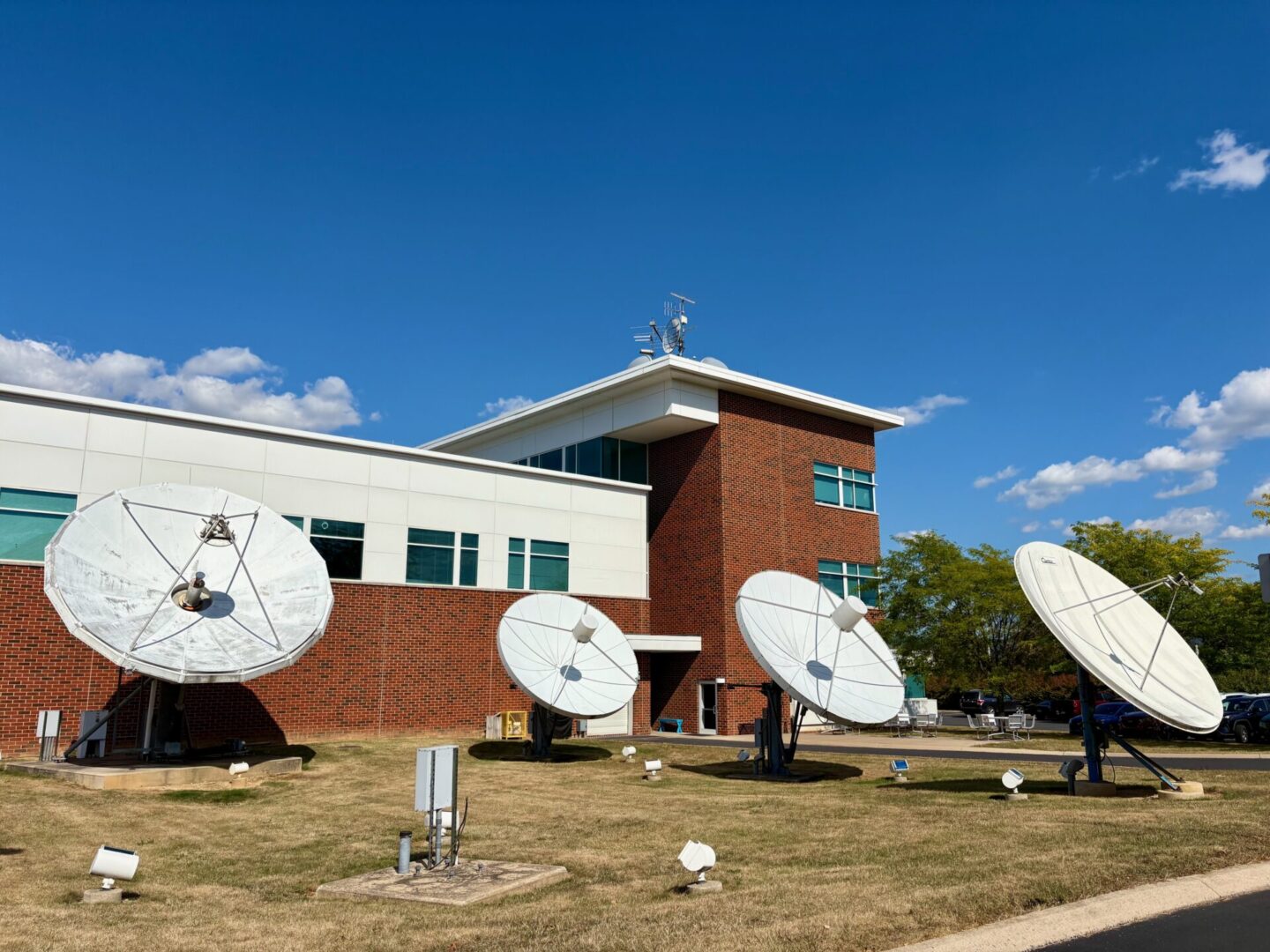
A Penn State Board of Trustees committee on Thursday unanimously rejected a plan to transfer ownership of WPSU to a Philadelphia area public media provider that university administration said would have allowed public broadcasting in Central Pennsylvania to continue in the face of financial pressures.
Prior to the vote, Sara Thorndike, vice president for finance and business, said that if the board did not give approval to the transaction with WHYY, the university “will develop a wind-down plan for WPSU ending at the latest on June 30, 2026.” That will bring an end to Penn State-owned public broadcasting after more than half a century.
“We have worked with the administration to find the best path forward for the station and our people who work there,” Board of Trustees Chair David Kleppinger said in a statement. “But, given the significant headwinds facing higher education and public media, we could not support the proposed transaction. We know this is a deeply disappointing outcome and we are grateful to the dedicated WPSU employees whose work has enriched our lives and made our community stronger.”
The board’s finance and investment committee unanimously turned down the plan, with several members voicing concerns that the deal was inadequate and did not protect WPSU’s 44 current employees. Had the committee recommended moving forward, the plan also would have required approval by the full board and the FCC.
Under the terms of the deal, WHYY would have formed an entity that acquired WPSU’s radio, television and digital assets, along with about $4 million in endowed funds, for $1. The university, meanwhile, would have leased WPSU’s office in Innovation Park to the entity and paid $17 million in declining amounts over five years as a post-closing subsidy, which Thorndike said would be similar to what Penn State would have funded over the same time period.
“We acknowledge this is not a small sum,” Thorndike said. “We appreciate the value of WPSU to our community, but can no longer fund WPSU with student tuition, given our declining resources for core teaching and research needs.”
Trustee Anthony Lubrano said the university needed to explore more options.
“I don’t think the way this deal is structured maximizes value to this institution, and I think we need to do a little bit more exploratory work for me to be comfortable approving a deal like this,” Lubrano said.
Trustee Robert Fenza added that he did not want “to pay somebody a subsidy to run a business.”
“At the end of the day, there’s no guarantees they’ll stay in business,” Fenza said. “They’re going to get all these assets. And then the thing that bothered me the most is that they have not committed to hire our employees. In the agreement, it said they may. And that also means they may not. And that’s not good enough for me.”
The rejected proposal came as WPSU faces significant financial headwinds.
Penn State cut $800,000, or about 20%, from the public broadcaster’s university-funded budget for the current fiscal year. That led to the layoff of at least five non-radio employees and reduction to 75% employment of two others, WPSU’s news division reported. Executive director Isabel Reinert also said the station would have to eliminate or cut back some of its original television programming.
In July, Congress eliminated funding to the Corporation for Public Broadcasting, resulting in a $1.4 million annual loss for WPSU, or about 17% of its overall operating budget.
Penn State has been cutting back costs — including the pending closure of seven Commonwealth Campuses — to balance its budget, and Thorndike said that combined with the loss of federal funds has made WPSU unsustainable for the university.
“As we continue to be vigilant and manage our budget as good stewards for the university, we must remain clear-eyed about our challenges that we’re facing both within our public broadcasting but also in higher education,” Thorndike said. “Penn State has been cutting costs in recent years and months, including the sales of other assets, to focus on our core mission. The university has been providing WPSU an allocation from student tuition of at least $3.4 million a year. Continued long-term subsidy from tuition to support WPSU is no longer feasible.”
Before the vote, Thorndike said she appreciates WHYY’s “interest in collaboration” and that the deal would “keep public broadcasting available to central PA and the surrounding areas.”
Assuming Penn State does move forward with its stated plan to close WPSU, it will end university-owned public broadcasting that began with the launch of WDFM (later WPSU-FM) in 1953. In 1965, WPSX (later WPSU-TV) became the first educational TV station in Pennsylvania to be licensed to a university.
Today, WPSU-FM reaches more than 450,000 listeners in 13 counties and WPSU-TV serves 515,000 households in 24 counties, one of the largest geographic coverage areas in the nation.
Penn State said in a press release after the meeting that university leaders were meeting with WPSU employees on Thursday “to discuss next steps and answer questions with the information available at this time.”



