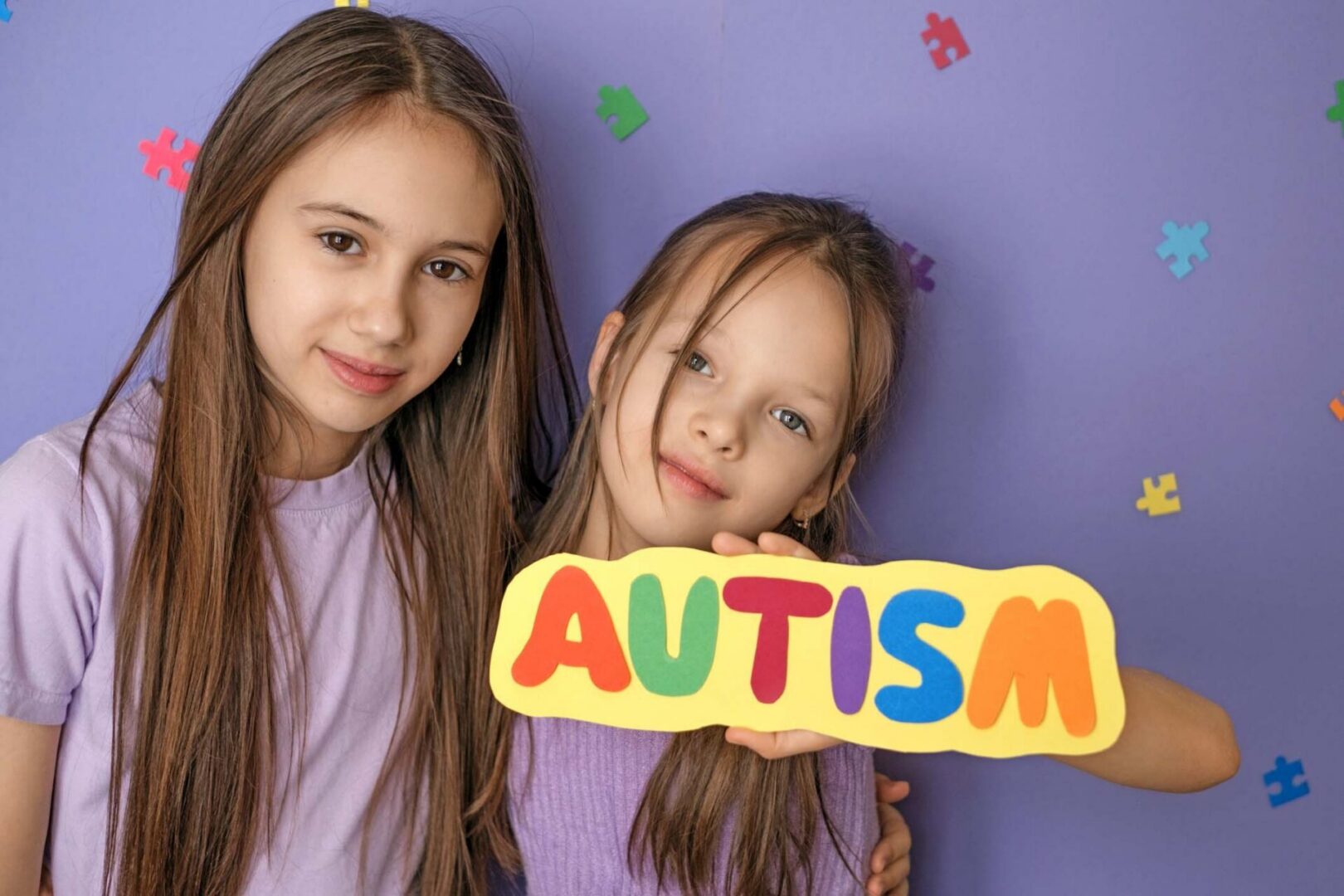
Every April, communities throughout the U.S. observe Autism Acceptance Month to celebrate the diverse and varied experiences across the autism spectrum.
Autism Spectrum Disorder is a complex, lifelong developmental disability caused by differences in the brain. The condition typically appears during early childhood and can impact a person’s social skills, communication, relationships and self-regulation. People with ASD may have different ways of learning, moving or paying attention. Autism is referred to as a “spectrum” disorder due to the extensive range of symptom types and severities that individuals may experience.
According to the Centers for Disease Control and Prevention, the prevalence of ASD in the U.S. has risen to 1 in 31 children (approx. 3.2%) among 8-year-olds, up from 1 in 36 in 2023. This indicates a significant increase, with higher rates observed in boys (1 in 20) compared to girls (1 in 70), driven by better screening and broader diagnostic criteria.
Symptoms
The range and severity of symptoms can differ widely. Likewise, the abilities of people with ASD can vary significantly. Common characteristics fall into two categories — social communication and interaction skills and repetitive behaviors or interests.
With regard to social communication and interaction skills, people with ASD have difficulty:
- Making eye contact
- Understanding body language
- Regulating voice tone
- Starting and taking turns in conversations
- Sharing interests or emotions
- Recognizing others’ feelings
- Making friends and playing with peers
- Understanding personal space
Restricted and repetitive behaviors vary greatly across the spectrum. Types of behaviors include:
- Repetitive movements, play or speech patterns such as rocking, hand flapping, lining up objects in a row and repeating words or phrases
- Insistence on routines or ritualistic activities such as watching the same programs repeatedly
- Need for routines such as the same meal, clothes or route to school
- Extreme interest or knowledge on a specific subject
- Unusual sensitivity to light, sound or textures
Treatments
There is no cure for ASD, though with early intervention and treatment, the symptoms can be greatly improved.
A “one-size-fits-all” treatment does not exist, but recommended therapies include Applied Behavioral Analysis, which encourages desired behaviors and discourages undesired behaviors; speech therapy; and sensory integration therapy. Each person with ASD has their own strengths and weaknesses and should be treated on an individual basis to address their specific needs.
Common therapies include:
- Speech-language therapy
- Occupational therapy
- Physical therapy
- Vision/orientation and mobility
- Hearing therapy
- Music therapy
- Dog therapy
“If something feels different in your child’s development, don’t wait; reach out to specialists, gather information and know that understanding early opens doors to the right support.” said Chelsea Clark, M.Ed., Director of Autism Services at Penn Highlands Connellsville Regional Center for Autism.
Penn Highlands Healthcare provides the Penn Highlands Connellsville Regional Center for Autism, which is affiliated with Cleveland Clinic Children’s Hospital’s Center for Autism.
PHCVRCA provides families and children in Southwestern Pennsylvania with advanced educational and behavioral treatment. The program model has shown sterling documented
positive outcomes in educational, medical and behavioral programming. For more information, visit www.phhealthcare.org/autismcenter.