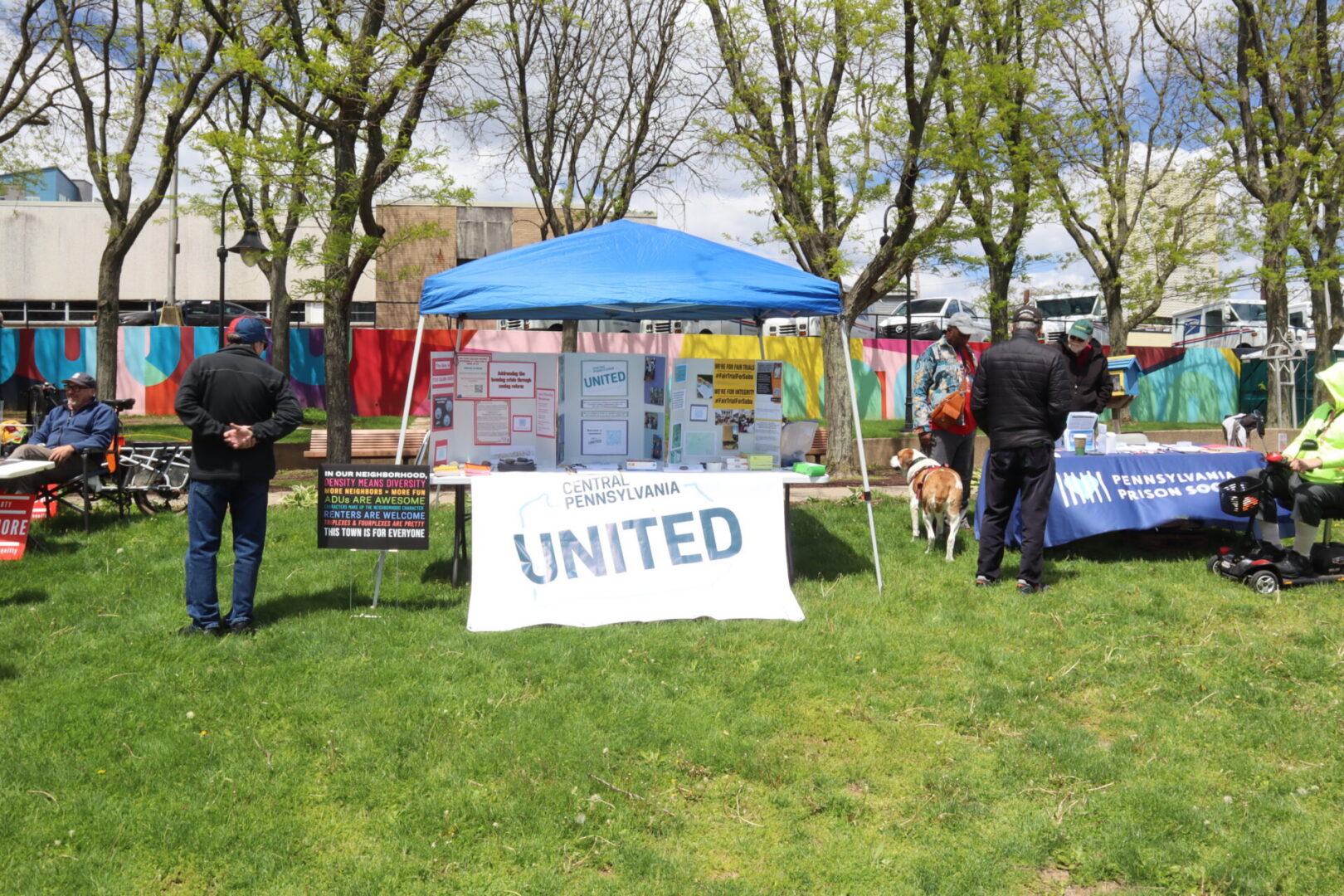
STATE COLLEGE — Dozens of Centre County residents gathered May 3 to share stories of financial strain, urging community action on what organizers called a growing affordability crisis impacting housing, health care and everyday living costs.
The Invest in Us – The Future of Affordability event, hosted by Central PA United, brought together residents, nonprofits, advocates and local officials to highlight personal experiences and survey data pointing to widespread economic pressure across the region.
“There is a lot of misconception out there that this is Happy Valley and nobody is struggling,” chapter director Jenna Henry said in opening remarks. “That couldn’t be further from the truth.”
Speakers throughout the event shared first-hand accounts illustrating the challenges many residents face even while working full time.
State College resident Denise Rupert described how a workplace injury and medical emergency in her family upended years of financial stability.
“They say America is one medical emergency away from bankruptcy. And that is absolutely true,” she said, recounting how her household income dropped by surviving on workers’ compensation and unemployment while medical bills mounted.
Despite eventually regaining employment, Rupert said the long-term effects of medical debt and reduced income continue to shape her family’s financial reality.
“My husband and I, though, are the lucky ones,” she said. “We still have a house and only by the grace of God and the love and support of our community.”
Younger residents echoed similar concerns, particularly around housing.
Jake, a 22-year-old speaker, said he was forced to live about 30 minutes outside the county’s economic center due to high rent costs.
“I did not choose to live so far away, but the rent in this county is too expensive unless you live so far away,” he said. “I wonder if I will be able to continue to call Centre County my home.”
Others described working multiple jobs to stay afloat. One speaker said he worked three jobs, seven days a week for years, yet still struggled to cover basic expenses.
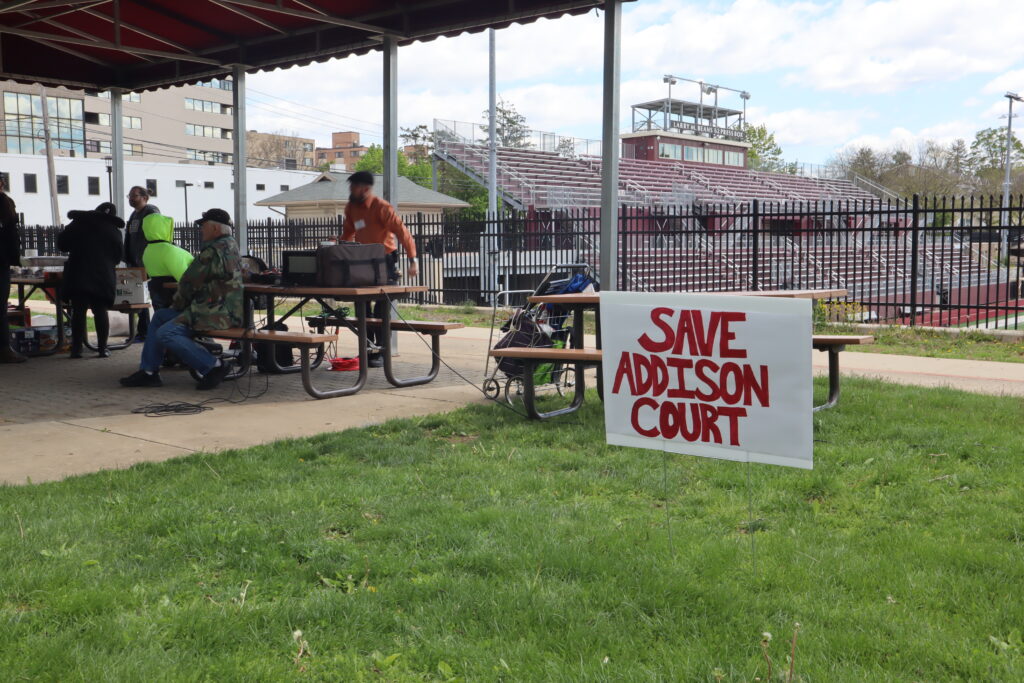
Housing instability also emerged as a major concern, particularly for residents of Addison Court, a longtime apartment complex facing potential redevelopment.
Joe Cockermans, who has lived there for more than two decades, said uncertainty surrounding housing costs and assistance programs has left him unsure where he will live next.
“We’ve been thrown out to the dogs and it’s not fair,” he said.
Organizers said those personal stories aligned with data collected through a recent community survey. According to Henry, utility bills ranked as the top concern among respondents followed by health care costs and housing.
“The most people said they worry about paying for utilities every day,” Henry said in a follow-up interview. “Then health care and then housing.”
She noted that unpredictability plays a major role in those concerns, particularly with fluctuating utility costs.
“A utility bill jumping from $100 to $400 or $500, those are the ones that make people worry the most,” she said.
Survey responses showed that even middle-income households are feeling the strain. A majority of respondents reported incomes between $25,000 and $99,000, with many still struggling to meet basic needs.
Henry said the goal of the event was not only to raise awareness but to connect residents with resources and encourage civic engagement.
“The purpose of this event is to raise awareness and really to bring the community together so that we can work together to push for policies that will help make a difference,” she said.
Speakers and organizers repeatedly emphasized the need for collective action, urging residents to contact local officials and advocate for policy changes.
“We need to stand together and put pressure on the people who can enact policies,” Henry said during the event.
Central PA United plans to continue organizing around affordability issues including potential future events and discussions focused on housing and development in the region.
“This was just our first event like this,” Henry said. “We’re going to figure out how do we move forward and what are the tangible things that we, as a community, can do.”