UNIVERSITY PARK — Two special exhibitions opened in September at the new Palmer Museum of Art which spotlight dynamic collaborations with faculty, students and organizations across Penn State’s campus. “Re/Collecting the Andes: Andean Art, Science and the Sacred at Penn State” and “Politics and Daily Life” will be on view through the fall semester alongside the Palmer’s popular inaugural exhibition “Made In PA,” which has already welcomed more than 28,600 visitors since its opening in June of this year.
A robust schedule of artist lectures, gallery talks and related programming, co-sponsored with university partners, accompanies the three exhibitions.
“This fall we are showcasing the power of collaboration and community building with our exhibitions and programs,” Erin M. Coe, director of the Palmer Museum of Art said. “These projects emphasize interdisciplinary perspectives as well the museum’s community-centered approach to presenting and interpreting diverse works of art through a new lens.”
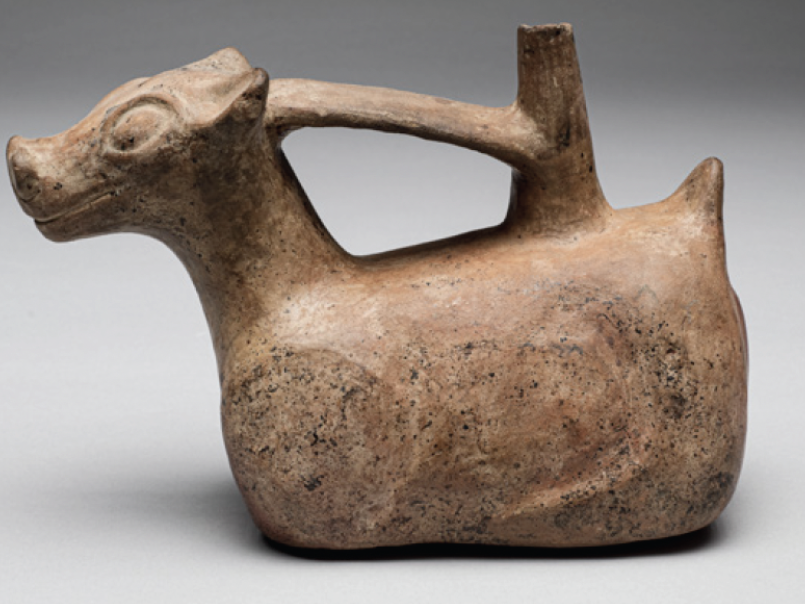
“Re/Collecting the Andes,” which opened Saturday, Sept. 14, features a rich array of historical and modern Andean objects drawn largely from Penn State collections, including the Palmer Museum, the Matson Museum of Anthropology and the Eberly Family Special Collections Library. The exhibition, which explores centuries of Andean culture through the lenses of art, science and religion, was curated by Christopher Heaney, associate professor of Latin American history, and Amara Solari, professor of art history and anthropology, along with the students in their fall 2022 Exhibiting Incas course.
“In the United States, we’re inclined to think of Peru and the Andes as far off and ‘ancient,’ but as we teach at Penn State — and anyone who has thought about visiting Machu Picchu knows — Andean people and their cultures are alive, well and here in the United States, including Happy Valley,” said Heaney.
“‘Re/Collecting the Andes’ is a chance to celebrate their presence,” he continued. “And think critically about how their culture and knowledge has ended up in American museums.”
For the exhibition, students researched the history of the Inca empire and its ancestors as well as how the Spanish invasion dispersed Andean knowledge, culture and even bodies around the world. They also examined the problematic history of collecting and displaying the cultural artifacts of colonized groups. Heaney and Solari encouraged students to place the Penn State Andean holdings in conversation with the artwork of two contemporary Peruvian artists, Fernando “Coco” Bedoya and Kukuli Velarde, whose work is now represented in the permanent collection of the Palmer thanks to support from the College of the Liberal Arts.