
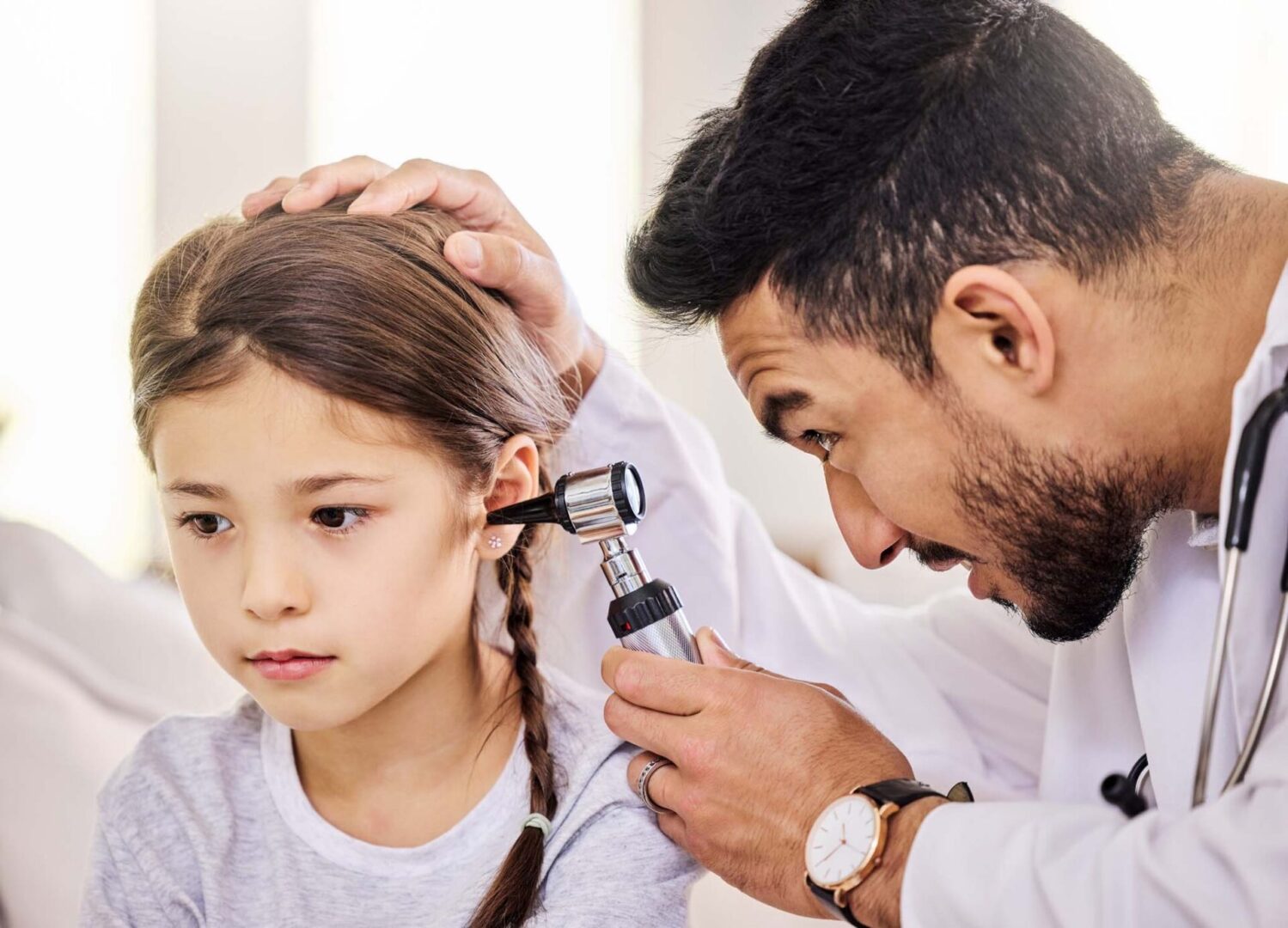
CENTRE COUNTY — It’s winter and one thing that’s almost as certain as cold weather is that small children will develop ear infections. Otitis media, the medical name for an ear infection, refers to an infection of the middle ear that can be acute or chronic. Ear infections are very common in toddlers and preschoolers with approximately 75% of children experiencing at least one infection by the age of three.
“The ear, nose and throat region in children is very prone to infection and inflammation, which is one reason children get ear infections and sore throats more often than adults,” Kara Kimberly, a board-certified ear, nose and throat specialist at Penn Highlands Healthcare, said.
“Growth is another reason why we see so many children with ear, nose and throat issues,” Kimberly said. “A child’s ear, nose and throat are not fully developed until about age six, which can lead to frequent issues during the first few years of life. While they are a typical part of childhood, talk to your pediatrician if your child experiences chronic or recurring ear infections.”
Ear infections are often caused by colds and blocked Eustachian tubes. The tubes become obstructed when fluid is prevented from draining from the middle ear. Allergies and respiratory infections also can lead to blocked tubes.
WHAT ARE THE DIFFERENT TYPES OF EAR INFECTIONS?
The three types of ear infections include:
- Middle ear infection — an infection in the middle ear
- Otitis media with effusion — an infection of the middle ear that occurs when fluid builds up in the middle ear without causing fever, ear pain, pus buildup or infection
- Swimmer’s ear — an infection in the outer ear canal
WHAT ARE THE SYMPTOMS OF AN EAR INFECTION?
- Ear pain
- Fever
- Fussiness or irritability
- Rubbing or tugging at the ear
- Difficulty sleeping
HOW ARE EAR INFECTIONS TREATED?
The body’s immune system can often fight off middle ear infections on its own. However, sometimes antibiotics are needed. For example, severe middle ear infections that last longer than two to three days require antibiotics.
WHEN SHOULD YOU SEEK MEDICAL CARE?
If your child has a severe headache or pain, a rising fever or fever lasting more than two days, difficulty breathing, ear pain, extreme fussiness, unusual drowsiness or lack of appetite, you should see your physician.
Penn Highlands Healthcare offers otorhinolaryngology (ear, nose and throat) care for patients of all ages. In addition to ear infections, Penn Highlands’ experienced ENT team treats patients with tonsil or adenoid infections, breathing problems, allergy and sinus issues, cleft palate, voice or swallowing problems, nose bleeds, gastroesophageal reflux disease (GERD) and much more. To make an appointment or to learn more, visit phhealthcare.org/ent.



