By John Valentik, M.S., CSCS, NASM-PES, CES
Gardening and carpentry are two very respected and impressive skill sets. However, when considering the way in which we parent, one may want to consider the approach of a gardener over a carpenter. Let’s ‘dig in’ to this!
Carpenters are fantastic. They measure, cut, and build beautiful creations! Connecting this to parenting, this might look like creating a predetermined blueprint for our kids. We may engineer and schedule every activity in their day. We might measure constantly via grades and comparisons. Essentially, we approach parenting much more objectively, controlling everything instead of allowing for some creativity and curiosity. While structure can provide direction, since every one of our children is different, our styles in parenting should follow similarly.
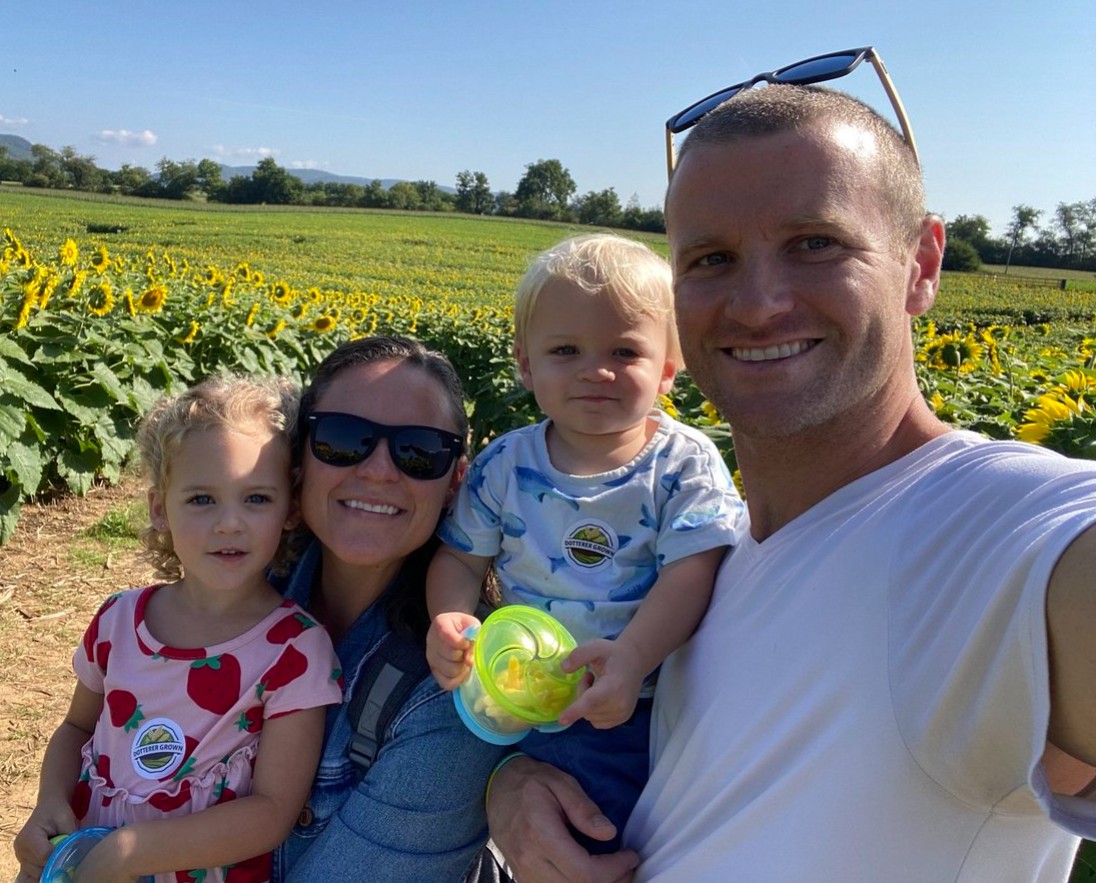
Gardening, on the other hand, does just that. We aren’t building plants or flowers–we’re creating conditions for growth. That is what I aim to do with my daughter, Charlotte, who is four, and son, Parker, who just turned three in March. While I'm the first to admit I am terrible at gardening, the example rings true.
Jonathan Haidt references this example in his 2024 book The Anxious Generation. Haidt explains that modern day parenting has become overengineered and focuses on protecting kids from all types of discomfort–the carpenter example. We should instead be supervising less and allowing more freedom and unstructured play. Less independence and free play have been correlated with more anxiety and fragility.
Let’s create an environment for our children to flourish. In gardening, that looks like providing sunlight, soil, and water, while removing weeds and protecting from the occasional storm. In parenting, that means providing love and support, emphasizing family values, while removing harmful influences or providing guidance when needed. It also means recognizing that what works for one child may not work for another, and adjusting how we respond accordingly.
This way we assist in problem solving without taking away their independence.
The key is that we accept that we aren’t going to control the outcome. Provide the conditions for growth and flourishing, nurture without casting a shadow, and let your child blossom into what they were born to become. Happy gardening, my friends!
John Valentik is an Assistant Teaching Professor at Penn State and owner of Happy Valley
Wellness Solutions. As a writer for the local fathering effort and in cooperation with the National Center for Fathering, we aim to provide monthly Action Ideas to stimulate conversation among families. To comment on this article, for more information or to join local conversations, contact John Valentik at jgv5002@psu.edu. To read more, visit https://www.facebook.com/profile.php?id=61571382497388.