CENTRE COUNTY — In the current technology era, scams are more prevalent than ever before. In an effort to prevent older Centre County residents from falling prey to common scams, State Rep. Paul Takac hosted a free Scam Seminar and Senior Fair on Thursday, May 23.
“In today’s rapidly changing world, it is crucial that we remain vigilant against the ever-increasing and evolving threat of scams, particularly those targeting our senior community,” Takac said in a news release prior to the event. “That’s why we’re hosting the upcoming Scam Seminar and Senior Fair, which will provide important and up-to-date information and tools to safeguard our older adults from fraudulent schemes. Knowledge is power, and educational events like this empower our seniors to recognize and stand strong against such deception.”
During the seminar, representatives from various Pennsylvania state agencies, including the Department of Banking and Securities, Department of Aging and Office of the Attorney General, provided information and tools to help residents better identify and prevent scams from impacting their lives.
Falling prey to a scam can have costly consequences. Avoid becoming a victim to scams by using the following tips:
- Stay up to date on common scams — New scams will inevitably pop up; however, there are many common scams that occur regularly. Familiarize yourself with the most common types of scams, such as phishing emails, phone scams, lottery scams and online shopping fraud. Regularly check for new updates from reliable sources such as state agencies, consumer protection websites and financial institutions about the latest scam tactics and how to avoid them. Awareness is the first line of defense.
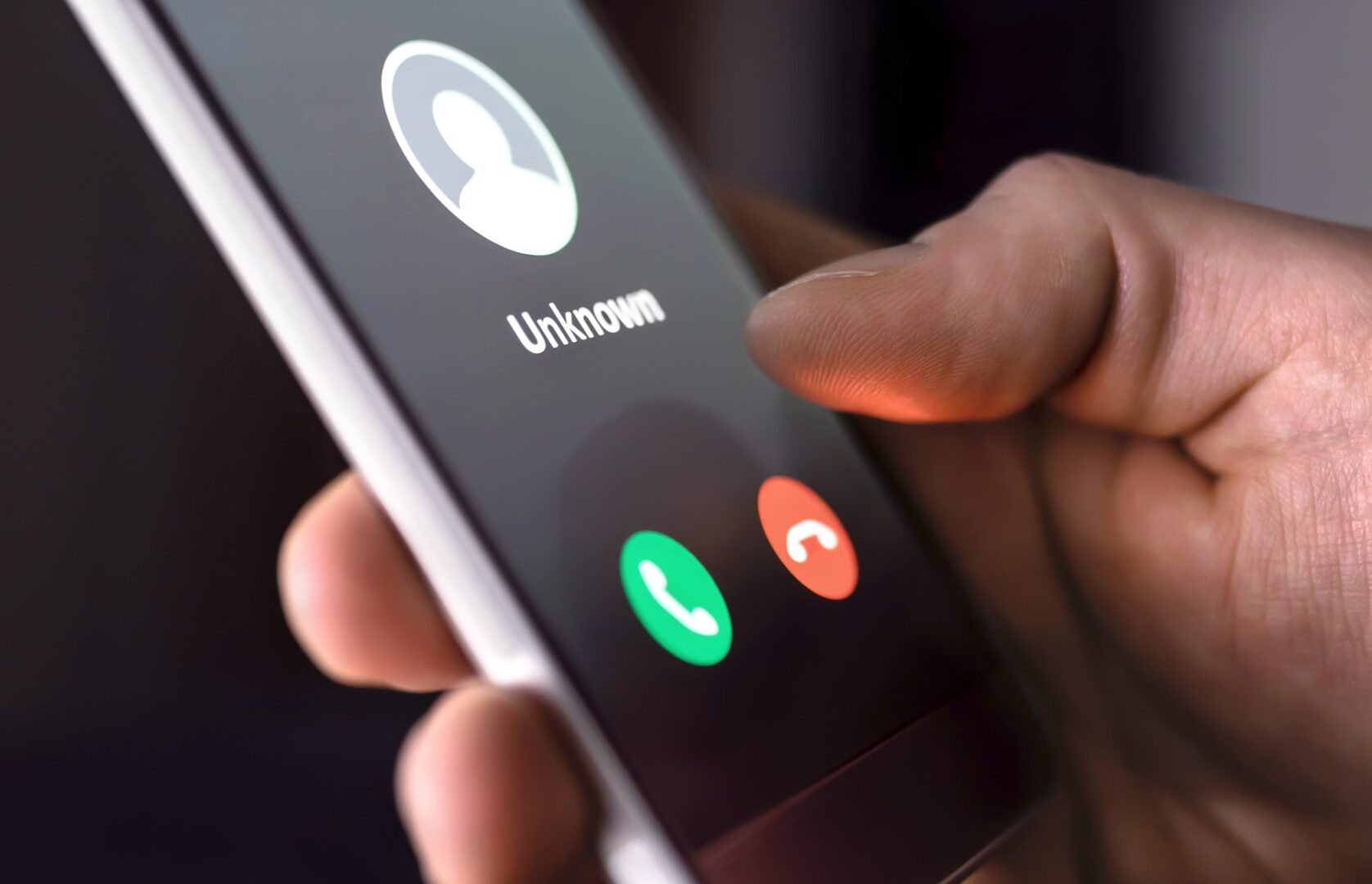
- Verify unsolicited contacts — If you receive a call, text or email from a number or address you don’t recognize, verify the person’s identity through official channels. Many government offices and banks will not contact a person via these channels. For example, the Centre County Tax Agency only communicates via post. Check with the official office first to ensure that you are talking to a legitimate contact. Keep in mind, scammers can spoof caller ID to make it appear as though they are calling from a legitimate source. Verify the caller’s identity independently before providing personal information.
- Protect personal information — Never share personal information, such as Social Security numbers, bank account details or passwords with anyone who contacts you unsolicited. Additionally, protect your information by creating complex passwords and changing them regularly. Avoid using easily guessable information, like birthdays or common words, and do not use the same password for every account.
- Do not click random links or open attachments — Don’t click on links or download attachments from unknown or suspicious sources. These can often contain malware or lead to phishing websites. With targeted ads being more common on social media and other digital platforms, be careful that you are not purchasing from links that are not reliable businesses. Always look up reviews of the company first before opening the link the ad provides.
- Use two-factor authentication — Two-factor identification is an extra layer of security that requires a second form of verification in addition to your password. Often, this is in the form of a code that is either sent via email or texted to the number associated with the account to verify your identity. It could also include answering security questions. Many accounts require you to establish two-factor authentication. Make sure to turn this on in your account settings.
- Monitor financial statements — Regularly check your bank and credit card statements for unauthorized transactions. If you notice any suspicious activity, report it immediately and change your account passwords. You can place a hold on your account or request a new card to ensure that a scammer does not have access to your banking information.
- Use security software — Install and regularly update antivirus and anti-malware software on your devices. These tools can help protect against harmful software and cyber threats.
If you encounter a scam, report it to local authorities, the Federal Trade Commission or relevant state agencies. This helps prevent others from being victimized. Scammers get smarter and more resourceful every day. Stay vigilant to protect yourself from scams.