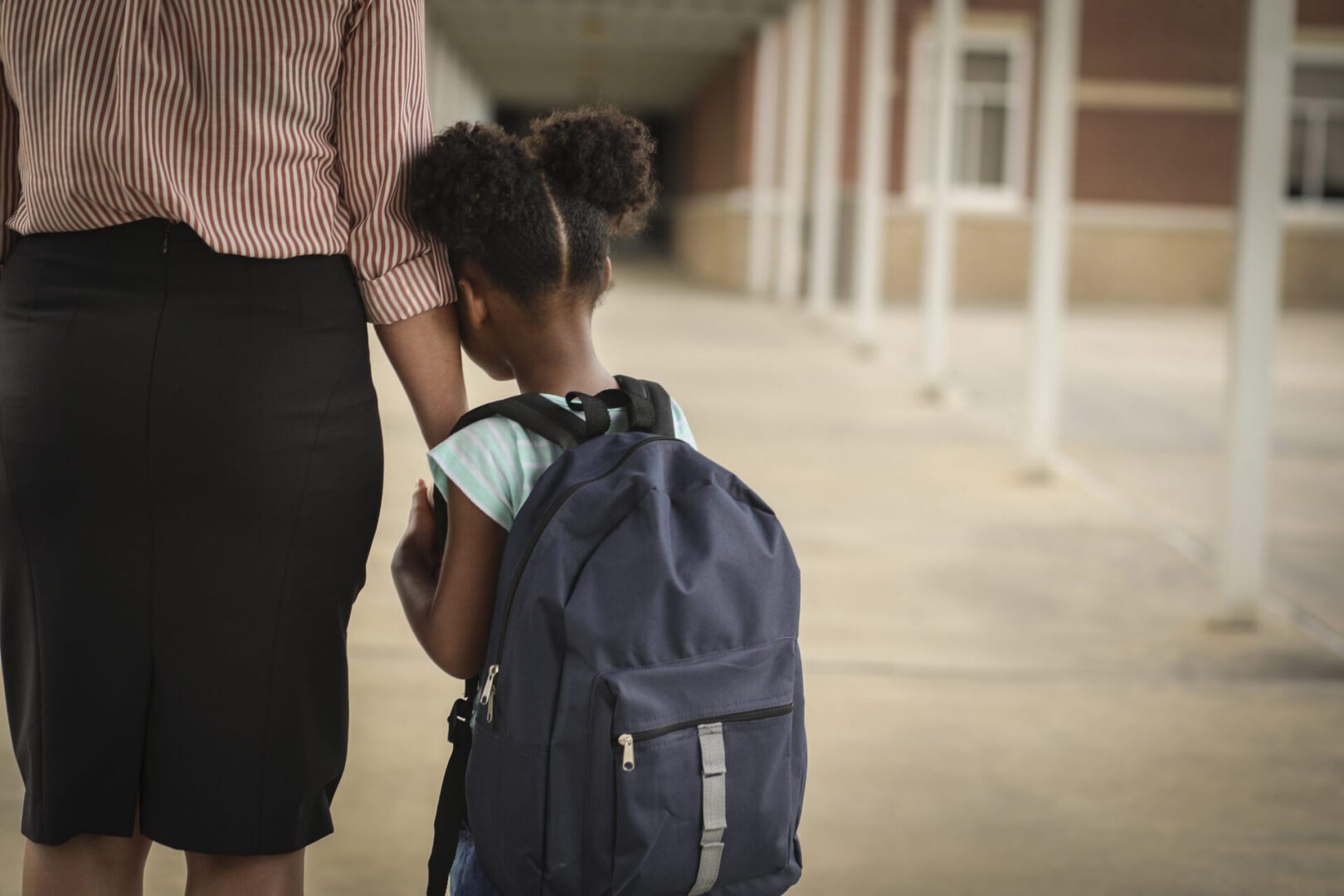
The start of a new school year brings a buzz of activity but, beneath the excitement, many children carry a quiet uncertainty. Whether adjusting to new teachers, making new friends or meeting higher academic expectations, “back-to-school butterflies” are common.
Recognizing the difference between typical school jitters and deeper emotional struggles can help you provide the support your child needs to start the year with confidence.
When Are Back-to-School Nerves Normal?
A little anxiety isn’t necessarily a bad thing; feeling nervous before the first day of school or meeting new classmates is a natural response to change. You can help by acknowledging these emotions rather than rushing to fix them.
Instead of dismissing fears with a quick “You’ll be fine,” try opening the conversation with:
- “It’s okay to feel nervous about something new.”
- “What part of school are you thinking about the most?”
- “What do you think might help you feel more prepared?”
These simple questions invite children to share without fear of judgment.
“Children don’t always have the vocabulary to explain what they’re feeling,” said Grace Rummel, a licensed clinical social worker with Penn Highlands Behavioral Health. “Open-ended questions create space for honest conversations and let kids know their emotions are valid.”
Understanding the ‘After-School Collapse’
If your child breaks down or acts out after a seemingly “great day” at school, they may be experiencing restraint collapse.
Throughout the day, children work hard to follow rules, focus, manage emotions and navigate all sorts of social dynamics. They suppress their frustrations to stay composed. Once they return home — their safe haven — all those bottled-up feelings finally surface.
Rather than viewing this as misbehavior, recognize it as a sign of exhaustion. You can ease this transition by creating a low-pressure decompression zone by offering a healthy snack, quiet time or outdoor play before launching into questions about homework or their day.
Building Emotional Resilience
Healthy emotional habits begin with everyday predictability and better daily check-ins. Skip the standard “How was school?” (which usually gets a one-word answer) and try:
- “What made you smile today?”
- “Was there anything that felt challenging?”
- “Who did you play with at recess?”
Routines at home also provide a steady anchor when the school day feels chaotic. Consistent bedtimes, balanced meals and limited screen time before bed all support emotional resilience.
When Butterflies May Mean Something More
While occasional nervousness is expected, persistent anxiety deserves attention. Consider speaking with your child’s pediatrician or a pediatric behavioral health specialist if your child:
- Complains of physical symptoms like frequent morning stomachaches or headaches without a medical cause.
- Struggles to sleep consistently due to school-related worries.
- Shows intense avoidance such as refusing to attend school or becoming upset at drop-off.
- Withdraws from friends or favorite activities.
- Experiences dramatic mood changes, including persistent sadness, excessive worry or panic attacks.
“One of the biggest misconceptions is that children will simply ‘grow out of’ anxiety,’” said Rummel. “When worries begin interfering with school, friendships, sleep or family life, it’s time to seek professional guidance. Early support can make a lasting difference.”
Partnering for Your Child’s Emotional Health
Mental health is as important as physical health for academic success. Parents and caregivers don’t need all the answers — by simply listening, remaining curious and recognizing when to ask for professional guidance, adults can give children the tools they need to face new experiences with confidence.