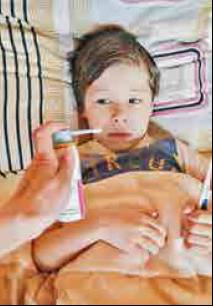
STATE COLLEGE — Across the United States, health systems have witnessed an increase in cases of respiratory syncytial virus in children. Mount Nittany Health’s pediatric providers and physicians have also seen an increase in appointments related to RSV, and the lab has noted a spike in testing and positivity rate for RSV as well. The RSV hospitalization rate at Mount Nittany Medical Center has remained at typical levels.
Medical professionals and experts are warning that the increase in RSV cases, coupled with the flu season and a potential surge in COVID-19 cases this winter, could overwhelm emergency departments and children’s hospitals.
Anyone can be infected with RSV, but the virus can cause serious illness in infants, young children and older adults. Recently, the Pennsylvania Department of Public Health released an advisory about RSV and noted that in Pennsylvania, RSV percent positivity has been higher over the past few weeks than would typically be expected for this time of year.
While there is no routine vaccine for RSV, the Pennsylvania Department of Public Health is encouraging all individuals to receive influenza and COVID-19 vaccines as soon as possible to protect themselves and their families this winter.
According to the Centers for Disease Control, RSV may not be severe when it first starts. However, it can become more severe a few days into the illness. Early symptoms of RSV may include:
— Runny nose.
— Decrease in appetite.
— Cough, which may progress to wheezing or difficulty breathing.
In very young infants (less than 6 months old), sometimes the only symptoms of RSV infection may be:
— Irritability.
— Decreased activity.
— Decreased appetite.
— Apnea (pauses in breathing more than 10 seconds).
Fever may not always occur with RSV infections.
There is no specific treatment for RSV infection, though researchers are working to develop antiviral medicines and vaccines.
According to Kayla R. Thompson, a certified pediatric nurse practitioner with Mount Nittany Health’s physician group pediatrics, “Most RSV infections go away on their own in a week or two. Some simple supportive care treatments at home include drops of nasal saline, gently suctioning your child’s nose or having them gently blow their nose, running a cool mist humidifier and encouraging fluids.”
The CDC recommends that you call your health care professional if you or your child has difficulty breathing, is not drinking enough fluids, has prolonged fever or is experiencing worsening symptoms of RSV. Current Mount Nittany Health patients can send a message to their provider (or their children’s provider) through mymountnittanyhealth.com if they have questions.
Mount Nittany Health’s physician group offers family medicine and pediatrics practices at six locations throughout the region. Call (844) 278-4600 to schedule an appointment with a pediatrician.