
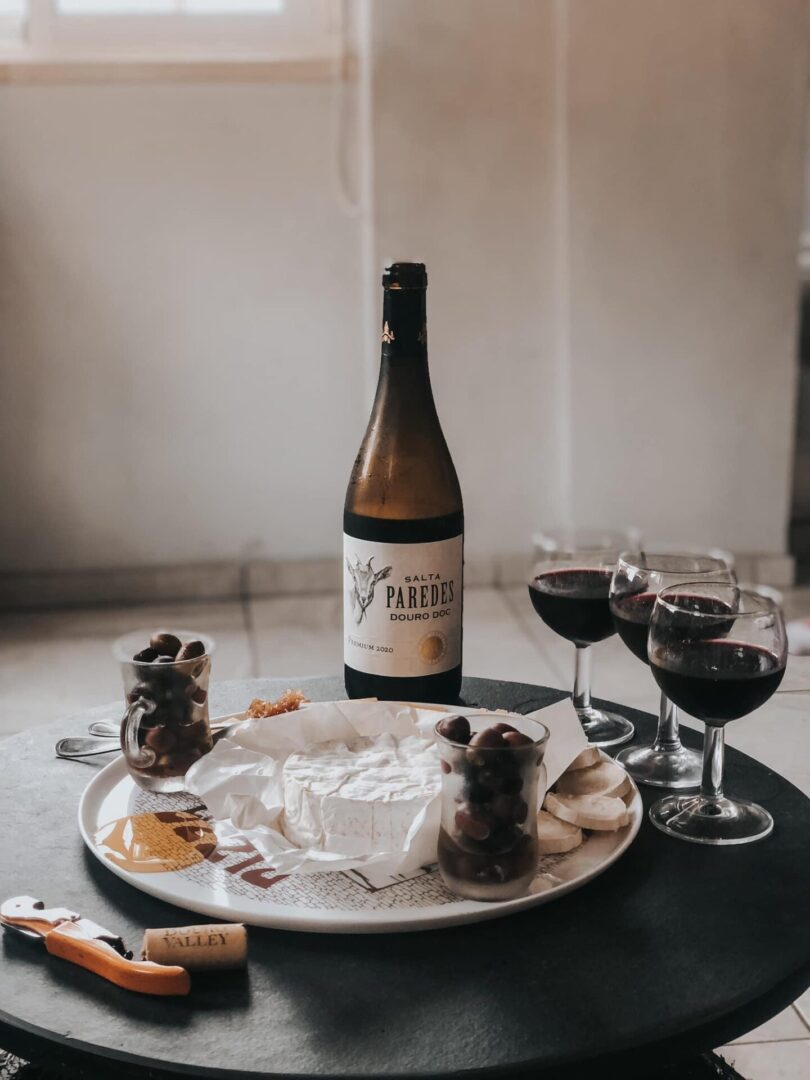
CENTRE COUNTY — While most people are taught to serve white wine with seafood and red wine with steak, there is a deeper science behind the pairing of food and wine. Certain foods can change the way wine tastes when you are enjoying them together. And while ultimately the ideal wine pairing for what you are eating will be whatever wine you enjoy drinking, the perfect food and wine pairing can help elevate your drinking experience.
SALTY
Salty foods can help to minimize the bitterness or biting acidity of a wine. It will make the glass of wine appear smoother and richer flavor wise.
To test this food and wine pairing, first take a sip of your wine without eating anything and swirl it around your mouth to coat your palate. Swallow the wine, then tilt your head forward with your mouth closed and notice the saliva filling your mouth; high-acidity wines — like sauvignon blanc — tend to stimulate saliva production.
Next, eat a pretzel and take another sip of the wine before repeating the saliva test. Do you notice a difference in the amount of saliva formed? How about the mouthfeel? This combination will increase the fruitiness of the wine and lessen its acidic taste.
SOUR
Another food pairing option that lessens the acidic taste of a wine and enhances its fruit notes involves pairing the wine with something equally acidic. After tasting your wine, try a bite of lemon and then taste the wine again. The wine should appear fruitier, causing it to seem sweeter than before.
Pairing acidic foods, such as lemon or tomato-based dishes, with wines that have high acidity — like sauvignon blanc or Chianti — can enhance the wine’s fruit notes while softening its perceived acidity. This complementary interaction allows the flavors in both the food and wine to shine, creating a more harmonious tasting experience.
SWEET
Dessert and wine pairings can be tricky because sweet foods will tend to make wine taste more bitter and acidic, cutting the fruity, sweet notes. Similar to the previous tests, try a sip of wine and then eat a piece of chocolate before reassessing the wine. Whether you are drinking a white or a red wine, take note of how the fruitiness levels of the wine change; while it may still taste like peach or melon, or in the case of a red wine, cherry or berries, you may notice that those flavors diminish, exposing a more bitter taste.
To combat this, you can pair dessert with a dessert wine that is even sweeter than the treat you are eating. Or, if you still want to stick to a standard wine, go for something fruit forward, like a Beaujolais wine made from gamay grapes. This style of wine tends to be very juicy and have bright flavors of strawberries and cherries. While those flavors may decrease when paired with a sweet dessert, because it is not an overwhelmingly dry wine to begin with, it will still retain more of its fruit characteristics.
UMAMI
Umami or savory flavors like mushrooms, tomatoes, fermented food and more, can make a wine taste more acidic and bitter while diminishing its fruitiness and sweetness. Red wines, which contain tannins extracted from grape skins during fermentation, can create a drying sensation in the mouth. These tannins leave the interior of the mouth feeling dry. Pairing umami-rich foods with very dry, high-tannin wines — like cabernet sauvignon or nebbiolo— can enhance the perception of those tannins.
OILY OR SPICY
Spice levels and oiliness can also impact how wine tastes. Spicy food generally makes wine taste less fruity and sweet while amplifying the perception of alcohol on the palate. Oily or fatty foods, on the other hand, can cause wine to taste less acidic.
Ultimately, there is no one right way to enjoy a glass of wine, but playing around with different flavor combinations can help you find the perfect way to bring out the components of a wine that you enjoy.



