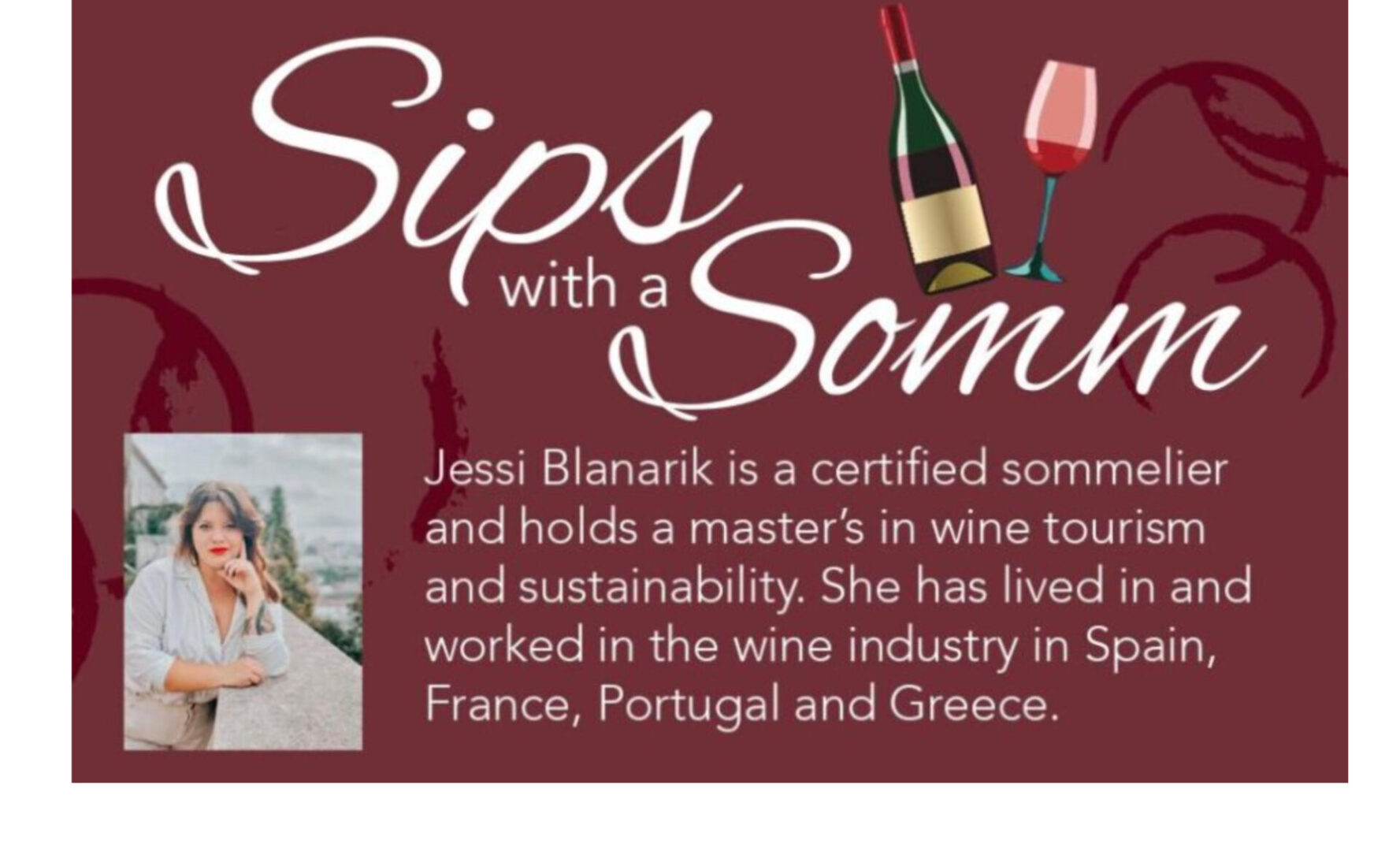
CENTRE COUNTY — Reading a wine label can sometimes feel like decoding a puzzle. Local wine shops group by both grape variety, rows labeled by grape tend to be just from the United States in the local stores, and country of origin, these tend to be around the perimeter of the wine shop with a sign that says the country it is from, though there is typically also an “Other Imports” section as well for lesser known wine countries.
This gives a great starting point to help find the perfect bottle of wine. However, once you select your country or grape variety, there can be dozens of options to choose from. Knowing how to read a wine label can help to better determine whether you will like the wine or not.
BRAND VERSUS REGION
Some wine labels emphasize the brand or producer on the wine label, while others highlight the region where the wine is made. This distinction often depends on the country of origin of the wine.
New World wines, wines coming from places like the United States, Australia, South Africa or Argentina, tend to focus on branding. You’ll see the winery’s name front and center or a specific name for the wine, often alongside the grape variety.
Old World wines, like those from France or Italy, are typically labeled by the wine region. Instead of listing grapes, the label will state an appellation like “Bordeaux” or “Chianti.” These appellations have strict requirements where only a few grape varieties can be grown. For example, a wine from Sancerre in France’s Loire Valley will almost always be made from sauvignon blanc, known for its crisp acidity and mineral-driven flavors.
If you have a specific grape variety in mind, New World wine regions will likely have the grape variety on the front label; however, if not, it will be listed on the back label. If you have a specific grape variety in mind and want to specifically try it from Old World countries like France or Italy, a quick search can tell you what appellations in those countries are known for that grape variety. From there, you can search for that appellation name on the label.
VINTAGE YEAR
The vintage year on a wine label refers to the year the grapes were harvested, which can impact the wine’s overall quality and flavor. Weather conditions fluctuate from year to year, meaning some vintages are considered better than others.
Beyond quality, the vintage also plays a role in determining when a wine is at its best. Some wines are meant to be enjoyed young, often within a year or two of their vintage. This is especially true for fresh, high-acid whites like sauvignon blanc or lighter reds like Beaujolais. Others, particularly those with higher tannins and acidity, improve with age. Full-bodied reds like Bordeaux or Barolo often reach their peak after five to 10 years, allowing their flavors to develop and soften. In contrast, wines such as fine rieslings or vintage Ports can age for decades, developing complex flavors over time. Checking a wine’s optimal drinking window can help you decide whether to open a bottle now or let it mature in your cellar.
Some wines, particularly Champagne and certain fortified wines like Port, are labeled as non-vintage (NV), meaning they blend multiple years to create a consistent style. While some may look down on these wines, winemakers take years to perfect the art of the perfect blend and put many hours of care into creating the perfect balance for that wine in the shop, making them just as nuanced as vintage wines.
ALCOHOL CONTENT
The alcohol by volume (ABV) percentage offers clues about the wine’s body and intensity. Lower-alcohol wines, usually under 12.5%, tend to be lighter-bodied with higher acidity, making them feel fresher and more delicate. This is common in wines such as pinot grigio or Vinho Verde.
Wines with an alcohol content between 12.5% and 14% fall into a medium range, balancing acidity and body. This category includes wines like Sancerre, pinot noir or Chianti.
Higher-alcohol wines, those above 14%, are typically bolder and more intense, often originating from warmer regions where grapes ripen more fully. Examples include Napa cabernet sauvignon and Australian shiraz. While the alcohol percentage doesn’t determine the quality of a wine, it can hint at whether a wine will be light and refreshing or rich and full-bodied.
EXTRA LABEL TERMS
Wine labels often include additional terms that give insight into the wine’s aging, quality and sweetness.
In Spain and Italy, terms like “reserva” or “riserva” indicate that the wine has been aged longer before release, often resulting in greater complexity. In French wine regions such as Burgundy and Champagne, classifications like “grand cru” or “premier cru” signal higher-quality vineyard sites.
Sparkling wines, especially Champagne, use descriptors like “brut” or “demi-sec” to indicate dryness or sweetness, with brut being dry and demi-sec offering a touch of sweetness.
Another term to look for is “old Vines,” which suggests that the grapes come from older vines known for producing more concentrated flavors. Understanding these terms allows you to gauge the wine’s style before even taking a sip.
TASTING NOTES
While the front label provides key details like the producer, region and vintage, the back label often includes tasting notes that describe the wine’s flavor profile. These descriptions can give you an idea of what to expect before opening the bottle.
Some tasting notes focus on broad characteristics, such as whether a wine is “bold and full-bodied” or “light and crisp.” Others get more specific, listing fruit flavors like blackberry, citrus or cherry, as well as secondary aromas such as vanilla, spice or oak, which can come from the winemaking process. Wines aged in oak barrels may have notes of toast, caramel or smoke, while those made in stainless steel tanks often preserve more pure fruit and floral qualities.
Tasting notes can also hint at the wine’s structure, mentioning acidity, tannins or sweetness levels. Understanding these descriptions can help you choose a wine that matches your preferences without needing to taste it first.