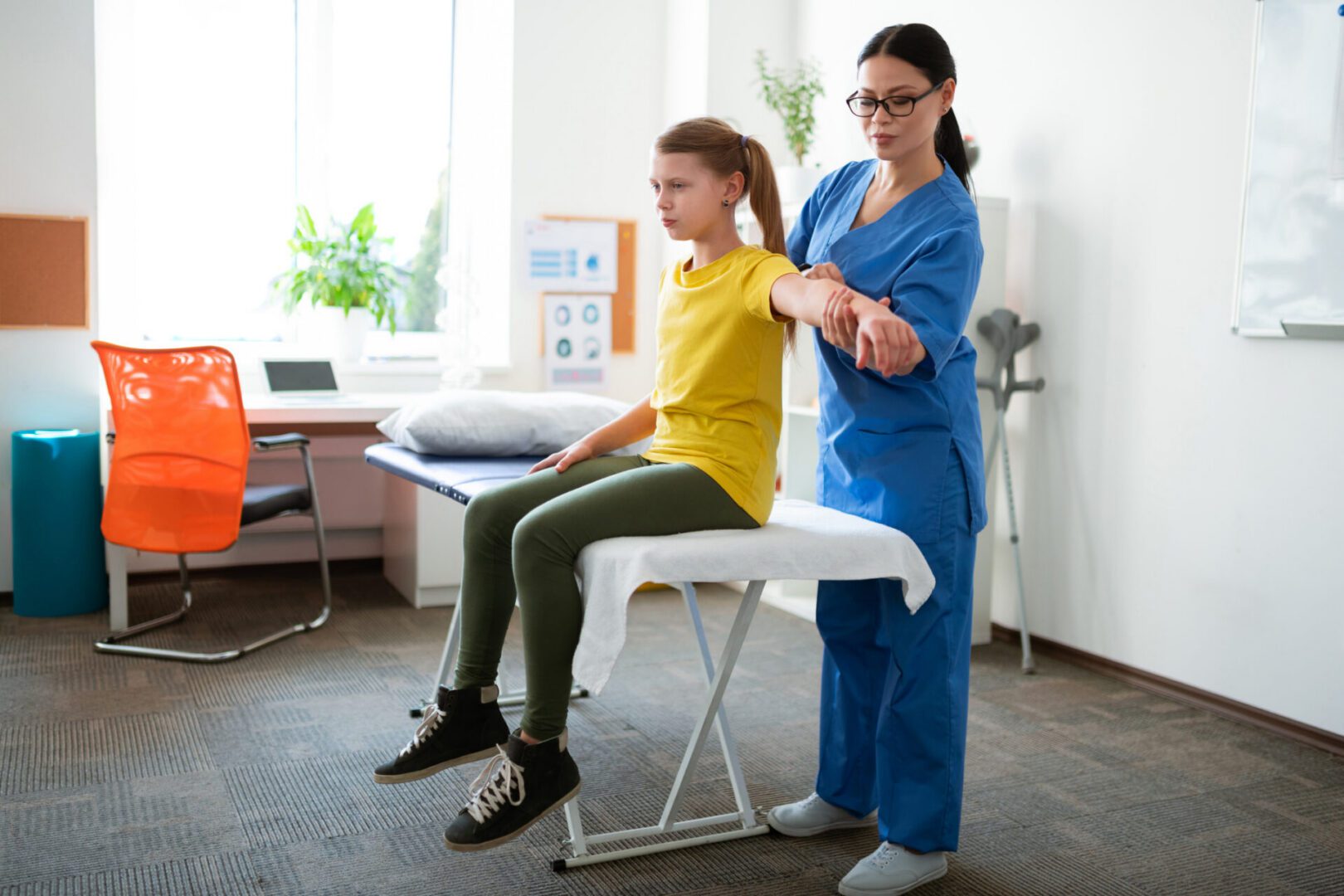
Whether your child is joining their first sports team or preparing for another season of competition, a sports physical is an important step in helping them stay healthy and safe. These exams help identify potential health concerns, assess physical readiness and ensure young athletes can participate with confidence. Here is what parents should know about sports physicals, why they are important and when to schedule one.
What is a sports physical?
A sports physical is a health evaluation designed to determine whether a child is physically ready to participate in sports and other athletic activities.
“A sports physical is a chance for us to take a closer look at your child’s overall health and make sure they are ready for the sports season,” said Kevin F. Wilson, DO, FAAFP, Osteopathic Director at Penn Highlands Healthcare and the Director for the Penn Highlands Family Medicine Residency Program. “We will review things like past injuries, medical conditions, medications, allergies and family history, and we will also check important measures such as heart rate, blood pressure, strength, flexibility, balance and coordination.”
Why are sports physicals important?
Sports physicals play an important role in helping young athletes stay healthy, safe and prepared for the physical demands of their sport.
“One of the biggest benefits of a sports physical is that it gives us a chance to identify potential concerns before the season starts,” said Dr. Wilson. “We may uncover issues such as asthma, heart conditions, joint problems or a history of concussions that could affect an athlete’s safety or performance. Catching those concerns early allows us to address them before they become more serious.”
Sports physicals also establish a baseline of your child’s health. Having a record of their physical condition and medical history can be valuable if an injury occurs later, helping healthcare providers make more informed treatment and rehabilitation decisions.
In addition, sports physicals provide an opportunity for families to discuss sport-specific concerns, such as injury prevention, nutrition, hydration, conditioning and safe training practices. For children with existing medical conditions, a sports physical can help ensure treatment plans are optimized for athletic participation.
What is the difference between a sports physical and an annual exam?
Although sports physicals and annual physicals may seem similar, an annual physical is a much broader look at your child’s health.
During an annual exam, a healthcare provider evaluates your child’s growth, development, immunization status and overall well-being. It also provides an opportunity to discuss preventive care, nutrition, mental health and other concerns that may not be related to sports participation.
In many cases, both exams can be completed during the same appointment. If your child needs sports clearance and is due for their annual exam, let your healthcare provider know when scheduling the visit so enough time can be set aside to address both.
Where and when should I schedule my child’s sports physical?
Most children can receive a sports physical from their regular pediatrician or primary care provider. This is often the preferred option because the provider is already familiar with your child’s medical history and overall health. Some schools, community organizations and sports programs may also offer sports physical clinics before the start of a season.
It’s best to schedule a sports physical at least six to eight weeks before practices or training begin.
This provides enough time for additional testing, treatment or specialist referrals if any concerns are identified during the exam.
A sports physical is one of the easiest ways to help keep your child safe on the field, court or track. Talk to your child’s pediatrician or primary care provider to schedule one before the season begins.
From routine sports physicals and annual checkups to timely vaccinations and same-day sick visits, the primary care providers at Penn Highlands Family Medicine clinics offer comprehensive care for your entire family. Learn more at www.phhealthcare.org/familymedicine.