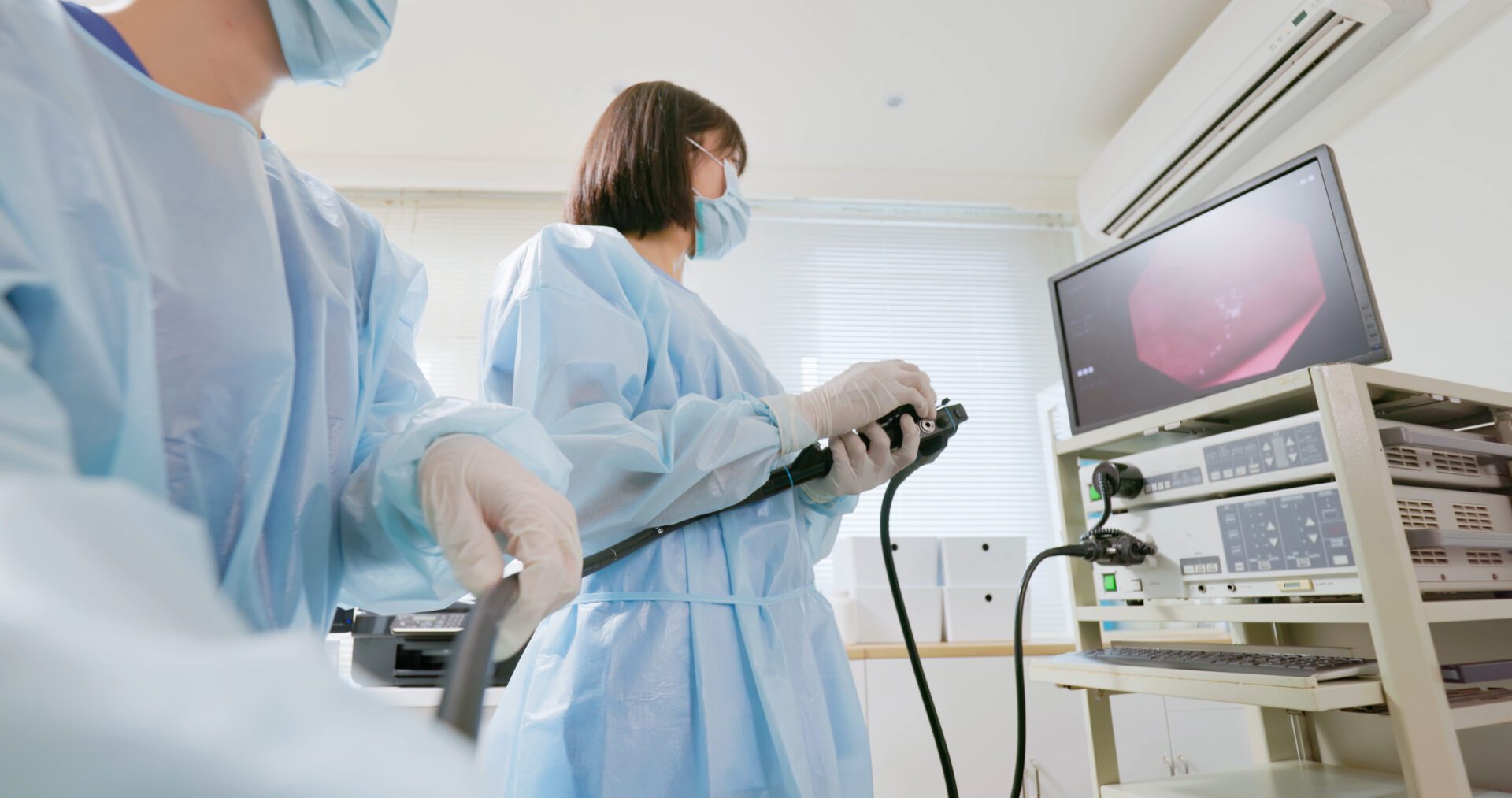
For decades, colonoscopies were considered a milestone for the 50-and-over crowd. However, groups like the American Cancer Society and the U.S. Preventive Services Task Force officially lowered the recommended screening age for average-risk adults from 50 down to 45. The driver behind this shift is clear — colorectal cancer rates have been steadily climbing among adults under 50, even as rates in older populations have declined.
Surge in Early-Onset Colorectal Cancer
Colorectal cancer is currently the leading cause of cancer-related deaths in men under 50 and the second leading cause in women of the same age group. While researchers continue to investigate potential links to diet, lifestyle habits, microplastics and shifts in the gut microbiome, early detection remains the most powerful defense regardless of the underlying causes.
“We are seeing patients in their late 30s and 40s who are genuinely surprised to receive a colorectal cancer diagnosis because they assumed they were too young for it to be on their radar,” said Lisa Oliva, DO, a double board-certified gastroenterologist with Penn Highlands Healthcare. “Lowering the screening baseline to age 45 allows us to catch polyps and early-stage localized changes long before they ever turn into invasive malignancies.”
What to Expect During a Modern Colonoscopy
Despite its reputation, a routine colonoscopy is a straightforward, outpatient procedure that takes less than 30 minutes. Patients are sedated to ensure complete comfort throughout the examination.
The most dreaded aspect for many patients is the prep work required the day before. However, bowel preparation procedures have improved significantly in recent years with modern preps involving much lower volumes of liquid, improved flavors and split-dose schedules that are far easier to tolerate than older methods.
“The prep is simply a temporary inconvenience for a massive long-term payout,” said Dr. Oliva. “A colonoscopy isn’t just a test to detect cancer; it’s one of the few screening procedures that actively prevents cancer. When we find a precancerous polyp during the examination, we remove it right then and there on the spot.”
Stool-Based Tests vs. Endoscopic Screening
For average-risk individuals hesitant about undergoing an endoscopic procedure, non-invasive stool-based tests offer an alternative starting point. These kits can be completed at home and mailed directly to a laboratory.
While stool-based tests are effective at identifying hidden blood or altered DNA indicative of existing tumors, they carry limitations:
Detection vs. Prevention: Stool tests are designed primarily to detect existing cancers, whereas colonoscopies are important at finding and removing precancerous polyps before they transform into cancer.
Frequency: Stool tests should be repeated every few years, whereas a clear colonoscopy for an average-risk adult generally offers peace of mind for 10 years.
Follow-up Requirement: Any positive result on a stool-based test requires a follow-up diagnostic colonoscopy to investigate the cause.