

A pair of state grants totaling $3.85 million would, if awarded, allow Centre County to expand its mobile mental health crisis intervention services and create a crisis residential and evaluation site.
The county’s Board of Commissioners on Tuesday authorized applying for Community and Mental Health
Services Block Grants of $3 million and $850,000 from Pennsylvania’s Office of Mental Health and Substance Abuse Services.
Natalie Corman, director of Mental Health/Intellectual Disability/Early Intervention, said counties previously received notice to submit letters of intent to apply for funding for crisis services enhancements and Centre County recently was invited to fully apply for the grants.
Crisis services have been an ongoing discussion in the county for years, and particularly since 2019 following the fatal police shooting of Osaze Osagie in State College while officers were serving a mental health warrant. Recommendations of a joint borough and county task force formed later that year include the projects the county is looking to fund with the grants.
“The work we have done over the last two years put us in a position to apply for what we are doing today,” Corman said. “We were able to respond quickly, have a plan, have a budget, and that shows today.”
The larger of the two grants would be used for crisis diversion programs, including creation of the crisis residential and evaluation site, in a partnership with local providers Center for Community Resources, Community Services Group and Oasis LifeCare.
Community Services Group operates the county’s current residential program at a house in State College, which would become the new program’s site.
“What we’ve really seen over the last year, 18 months has been our residential program run by Community Services Group in State College be used more as short-term residential for individuals,” Corman said. “Often it’s diversion to the state hospital, diversion to another facility, where people aren’t staying for the typical one to two years. With that data we decided to support an idea to convert that home into a crisis diversion program.”
Oasis LifeCare would provide psychiatric evaluations on site. The home would also offer short-term stays of one to seven days.
“So if an individual doesn’t meet the medical care, the level of hospitalization, but obviously is in a crisis, might not be able to go home for the first 24 hours, we can provide that,” Corman said.
It also would offer one bed for transitional stays, which could be between one and two months. Transportation to the house would be part of the service as well.
The program would additionally provide connections to resources after the initial stay.
Funding would support work on the house, additional staffing and psychiatric hours for two years.
“It is a large budget to reflect that,” Corman said. “We’re doing this for two years without the pressure of the Medicaid billing and the insurance billing that we often do with our services. This allows us to really see the need. It will allow law enforcement to bring people there, allow families to bring people there. It’s an enhancement of our services and it’s another avenue for people who are in crisis to get immediate help. We have combined all those efforts together.”
The $850,000 grant, meanwhile, would be used to work with Center for Community Resources, which operates the county’s two-year-old walk-in crisis center at 2100 E. College Ave. and mobile services, to expand mobile crisis intervention services with the hiring of seven full-time mobile crisis workers and three certified peer specialists.
Having the full-time mobile crisis staff would allow the county and CCR to have someone ready to respond to requests faster, Corman said.
“We have seen a need to enhance that staffing level so we are quicker to respond, whether that’s 30 minutes in the Centre Region, 45 outside. We want to be responsive and often we bill for this service so staffing is really based on that,” she said. “This funding allows us to flat have staff available.”
Certified peer specialists have had their own personal experience with a behavioral health disorder and have specific training to assist others in crisis and with recovery.
“That’s unique [for] us,” Corman said. “It’s not a service we have provided before but we really see the need to promote peer services especially for people in crisis often for the first time they are in crisis.”
The expansion of mobile crisis services is not a co-responder model with law enforcement, in which mental health workers accompany police directly on mental health calls, but Corman said, “we absolutely see this as a partnership with our law enforcement that they are excited to do.”
Corman was optimistic Centre County will receive the grants for both programs.
“We believe as long as our applications meet all the financial budget and program explanations that we will be awarded this funding for the next two years,” she said.
Board of Commissioners Chair Michael Pipe said the initiatives will be valuable to the county’s mental health services.
“It will be a lot of work, but this is really going to make a difference,” he said.
More Local News
View all Local News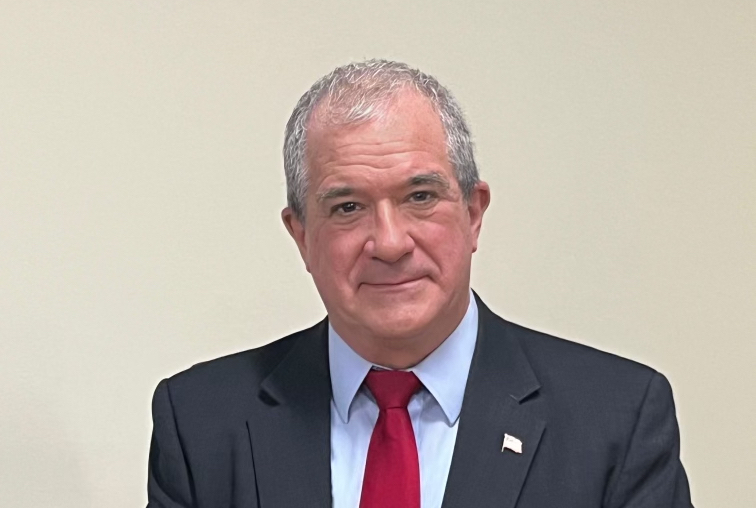
Dershem Seeking Reelection as Centre County Commissioner
Centre County Commissioner Steve Dershem will run for another term on the county’s governing board, he said on Monday. The Republican incumbent will be seeking his sixth term as commissioner, […]
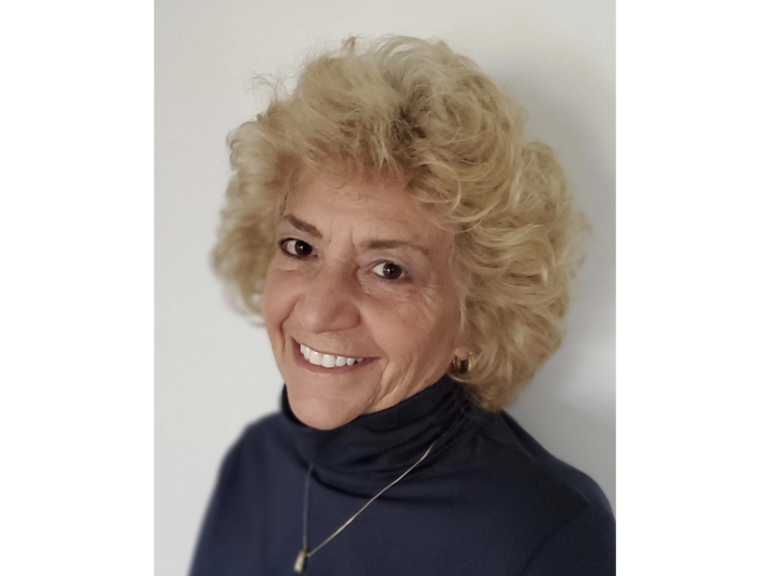
Marie Librizzi Enters Race for Centre County Commissioner
Marie Librizzi, the retired co-owner of the Old Main Frame Shop and Gallery, intends to run for county commissioner as a Republican.

Centre County Eyes $1.36 Million Grant for Whole-Home Repairs Program
Centre County is anticipating a grant in excess of $1 million from a statewide program for housing habitability, energy and accessibility needs. The Whole-Home Repairs Program, administered by the Pennsylvania […]


