
College sports are a mess. This is the age of uncertainty and instability happening against a backdrop of a financial crisis that no school can outrun forever.
Many long for the days when we read only about the glory of young men and women competing for the love of the game and for the glory of dear old State, or Tech or the University of……
Today the lead stories on college sports are spending caps, revenue sharing, NIL and the deals players and coaches are signing as they jump from school to school.
What follows here represents my views alone and in no way represents the views of any group or institution. I’ve been asked to be part of a potential statement with other university leaders advocating for bipartisan legislation. I agree with that approach, but subtlety, sensitivity and nuance require a larger explanation.
The governance architecture and rules of the NCAA are essentially gone. The College Sports Commission, designed to replace much of that governance, is already seeing arbitration and litigation. Some of the conferences have yet to sign on to participate in the organization they created.
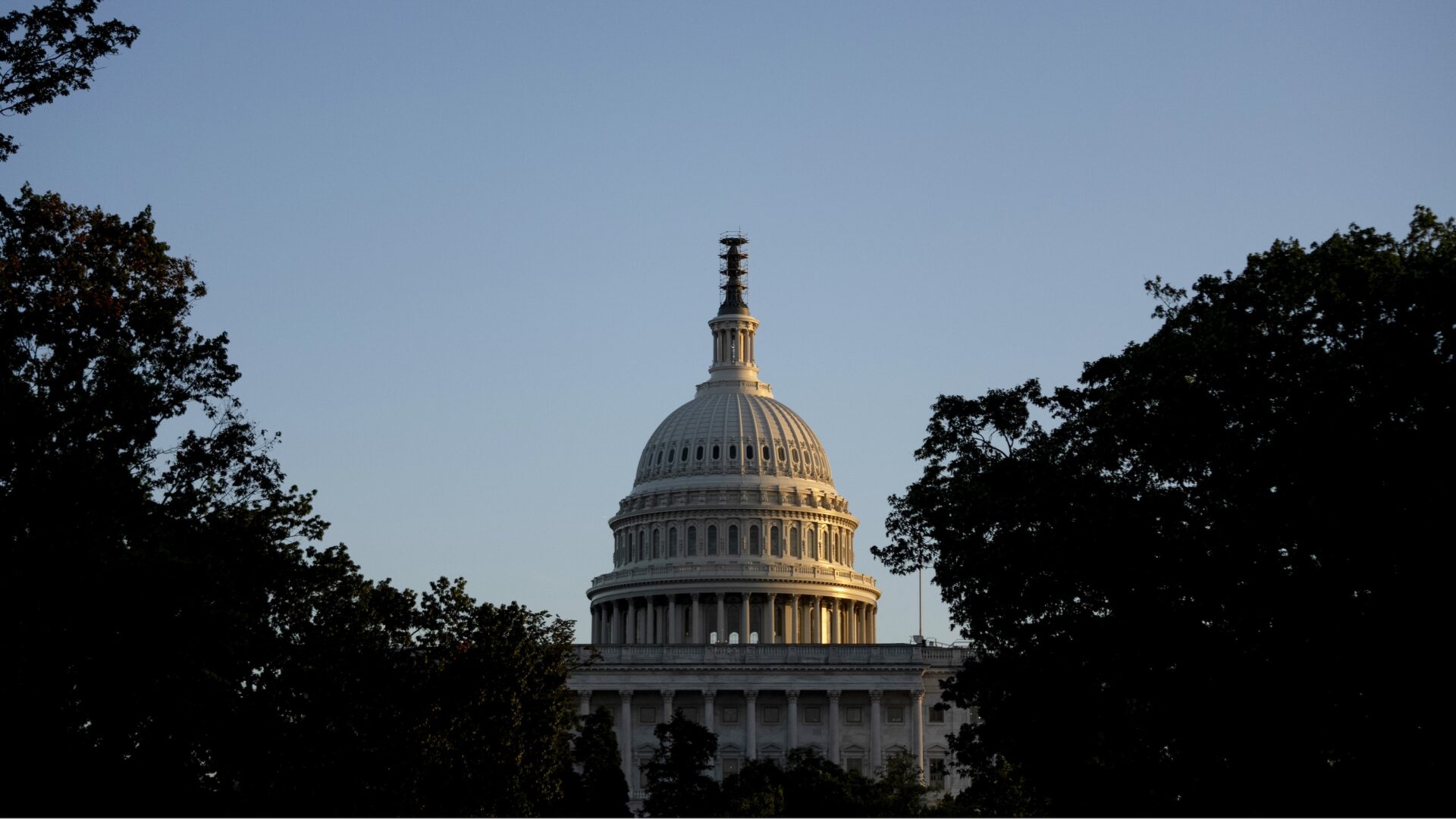
Given the leadership and governance void in college sports, the call has gone out for help from the federal government. There’s a lot of action and discussion about college athletics in Washington. Viewpoints and opinions are coalescing and colliding.
Now, the first steps need to come from Washington because nothing substantive has been brought to Washington.
Why is this vital now?
1. Certainty is needed. Schools have no idea where the expenses will end. Revenue sharing caps were supposed to give some certainty, but schools have found massive loopholes to run around them.
2. Legislation is needed to prevent tomorrow’s litigation jolts that may jam up today’s business model and expense projections.
3. The increasing costs of college sports threaten opportunities for women and men in athletics. And the spike in expenses has already started to pull resources from other students, including involuntary student activity fees, tax dollars and tuition dollars.
So where are we now?
Let’s start at the White House. The President’s Committee on College Sports put together proposals that became an executive order. But as we’ve seen, executive orders are subject to litigation and the whims of a future administration. But it helped jumpstart the conversation.
True reform will require legislation.
The SCORE Act was supported by the major conferences. It had some key elements, including a reformed NCAA, pre-emption of state legislation and revenue sharing with caps in place. It included important anti-trust protections. But it ruled out athletes as employees and collective bargaining and remained silent on revenue reform and spending controls.
The SCORE Act will not come up for a vote in the House, so it is essentially dead for now. Don’t expect it to enjoy a Lazarus-type revival.
The action is in the Senate where Sens. Cruz (R-TX), Cantwell (D-WA) and their staffs have taken center stage. Sen. Schmitt (R-MO) has also been critical in getting everyone to the table.
Some of the elements of the SCORE Act will likely be in the legislation. And that is agreeable to the major conferences. Reform to the Sports Broadcasting Act allowing for the national consolidation of media rights may be in there. The Big Ten and SEC have been vocal in opposition to that. The provision, however, would allow but not require consolidation of rights, and that is important to understand.
Both senators seem committed to elements of revenue and expense reform to protect all sports. What was also clear from a question I put to one of the senators is that anti-trust protection for a 40-team football super league (i.e. SEC and Big Ten) will not happen.
Also possibly to be left to determine or left for the next round of reform are the questions of athletes as employees and collective bargaining. But that also remains to be seen.
What we have in D.C. is a triple option.
1. Do nothing: But that’s unreasonable and unsustainable.
2. Executive orders: A temporary fix that invites more litigation and uncertainty.
3. Support the Senate efforts: The final bill is yet to be presented, but it is sure to have elements that people find less-than-perfect.
Given the three choices, it is important that we support and push the bipartisan efforts in the Senate.
People involved in the President’s Committee on College Sports have even told me they would prefer legislation. Many of them have signed a letter of support for the Senate process. But the worry is with the SCORE Act now dead, the pressure to make a deal in the Senate may be waning. That would be a big mistake.
Engagement and compromise are the right call in these times. The path of a potential Cruz-Cantwell bill remains the only bipartisan effort underway. And like others, I too will probably be happy with some elements and critical of others.
For years we have punted on taking the first steps toward reform for this new era. Like others, I will forever cherish the old-school amateur model. But I am also a clear-eyed realist who has pushed to accept reality for several years.
As each domino fell, from NIL, to revenue sharing, to unlimited transfers and beyond I’ve been vocal publicly and in private conversations about the need for reform. And as I talk with coaches, ADs, trustees and members of governing bodies from schools around the country, there is a nearly unanimous desire for the steps to reform to start now.
While no one is ready to endorse the unfinished bill, the time is now to help push the last/best chance for some reform and stability.
More Columns
View all Columns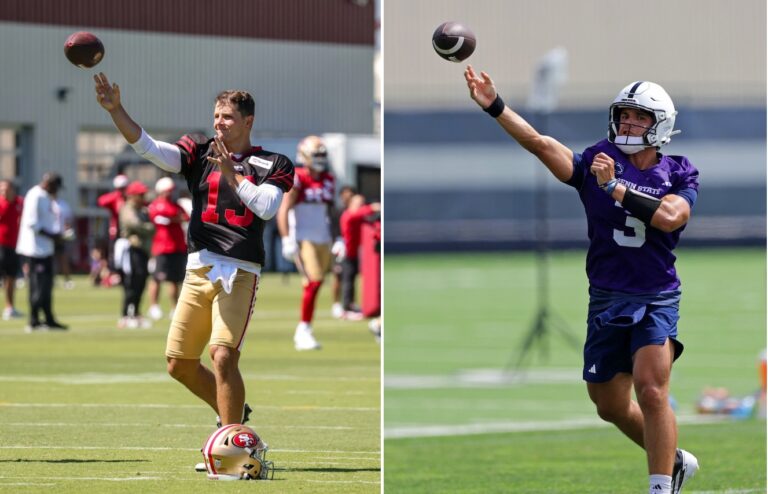
Can Penn State’s Rocco Becht Be Another Brock Purdy?
When it comes to former Iowa State quarterback and current San Francisco 49er star Brock Purdy, can Penn State’s Rocco Becht be QB Too? The answer is yes, at least […]

A Penn State Hockey Legend Who Should Never Be Forgotten
“Dr. Lawrence ‘Larry’ Hendry, 81, a distinguished chemist, pioneering entrepreneur, and passionate sports enthusiast, passed away August 30, 2026, leaving behind a legacy of profound scientific and athletic contributions.” This […]
A 3-0 Start May Be SOP for Penn State, but for Matt Campbell It Means ‘Opportunity is Now Here’
Penn State is off to a 3-0 start against an anonymous and fairly rag-tag trio of non-conference, non-combatant opponents. That’s typical for the Nittany Lions of the past decade or […]


