
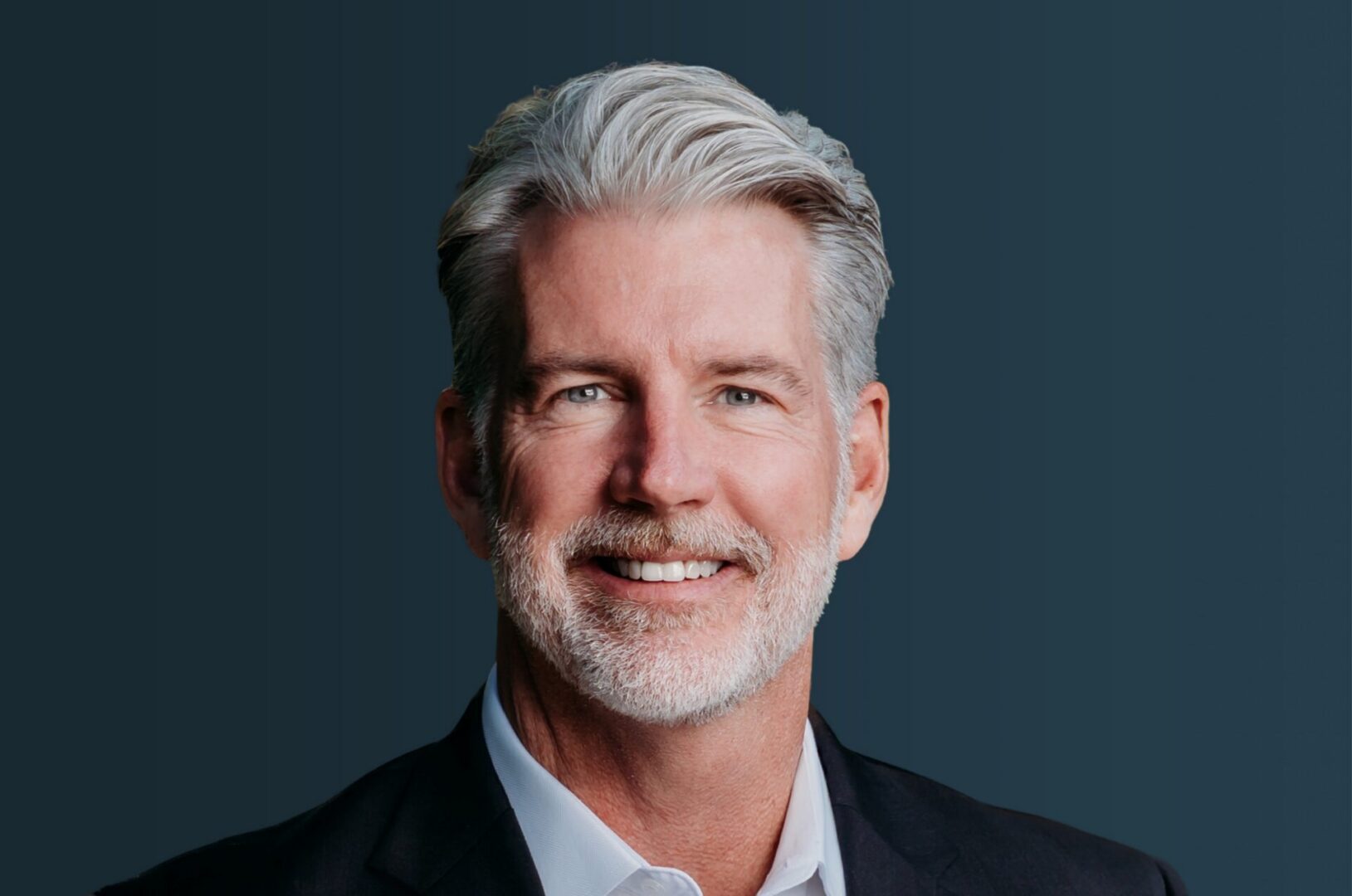
Five years ago, when I took over as president and CEO of the Chamber of Business and Industry of Centre County (CBICC), I brought one conviction with me: We are better together. I envisioned collaboration, relationships, partnerships and community to be the way we moved forward, because I believe that’s the way a region truly grows. Everything we’ve built since has been the result of putting that belief into practice.
That meant changing how we thought about economic development itself. Traditionally, the work has centered on recruiting individual companies, one deal at a time. That approach isn’t wrong, but it’s incomplete. It treats growth as a series of transactions instead of the product of a healthy ecosystem. This model starts from the premise that workforce, housing, infrastructure, transportation, education, entrepreneurship and quality of place all reinforce one another. When we strengthen that whole system, companies want to invest and people want to stay.
The strategy itself follows a simple process, even if it’s not always an easy one: bring the right people to the table, build a shared plan together, then formalize the accountability needed to carry it out. As Centre County’s regional convener, the Chamber is positioned to lead that first step, so early on we sat down with business leaders and community members across the county to shape a path forward together.
That input became Centre County’s Economic Development Strategic Plan, organized around four pillars: Business Retention and Expansion, Targeted and Emerging Industries, Workforce and Education, and Built and Natural Environment. As a result of the community helping build it, they have real ownership in seeing the plan through. That ownership was formalized through the Economic Development Council bringing together Penn State officials, municipal executives, airport authority members, business leaders and our regional economic development partners to set priorities and lead initiatives laid out in the plan we built together.
Air service is the clearest example of this model at work. When we heard from residents and employers that limited flight options were holding the region back, we didn’t respond with a Chamber initiative alone. We convened the State College Air Service Alliance, a partnership between Penn State University, the Happy Valley Adventure Bureau, the Centre County Airport Authority, and the CBICC. Together, the Alliance identified top-priority routes and presented market data to major airlines, then created the Fly State College Fund so the community could put real investment behind the ask.
That collective commitment communicated something no single organization could have said alone: that Centre County’s demand for expanded air service was real. After months of negotiation, American Airlines established twice-daily nonstop service to Charlotte from State College, improving our region’s connection to the rest of the world. The outcome mattered, but so did how we got there: a shared plan, formal partners and a community willing to back it financially.
The same process shapes how we approach workforce development. Employers across the county told us they needed a better way to connect with job seekers, so rather than build something new and duplicate existing efforts, we partnered with PA CareerLink Centre County, Centre County government, State College Borough, regional employers and community organizations, each bringing their own strengths to the table. That partnership produced the Centre County Spring Job Fair, bringing together 115 employers and 275 job seekers, and it has since grown a stronger collaboration between Penn State Career Services and regional employers. Again, the model held: convene the right partners, align around a shared goal and let each organization contribute what it does best.
You can see it in our advanced materials and sensor technology sector, too. Centre County is home to 60 advanced materials and sensor technology businesses, rooted in more than a century of industrial and manufacturing history and now employing over 3,000 people. Left on their own, those companies exist in isolation, each solving the same problems independently. Our strategic plan calls for convening them as an interconnected network instead, connecting them to research, resources and strategic funding through partners like Ben Franklin Technology Partners and SEDA-COG, so the sector grows as a whole rather than company by company.
Housing and quality of place matter greatly when attracting employees to the area. Housing at varying price points is foundational to supporting the diverse workforce our employers need, which is why we’ve partnered with local organizations and hosted a countywide Housing Summit to treat housing as an economic development priority, rather than a separate issue.
An essential part of this approach is to also work together and support our local community organizations to enhance Centre County’s quality of place. Organizations like the Downtown State College Improvement District and the Happy Valley Adventure Bureau are building the kind of place people want to live in and visit, through efforts such as East End Social and signature events like the Happy Valley IRONMAN 70.3, which generates over $3 million in economic impact annually.
None of that is incidental to economic development. That is what helps shape whether people build a life here, not just a career. Air service, workforce, emerging industries, housing and quality of place are all interconnected parts of one ecosystem.
Five years in, I’m more convinced than ever of the belief we started with: We are better together. I’m deeply appreciative of the business leaders, elected officials, community organizations, Penn State, our economic development partners and so many individuals across Centre County who have been willing to show up, share ideas, invest their time and resources and work across organizational lines for the good of our region. My admiration and respect for this community’s collaborative efforts towards shared goals remains constant. The progress we’ve made belongs to all of them, and there is still much more work ahead. My hope is that we continue to bring more people into this work, strengthen the partnerships we’ve built, and find new ways to contribute to Centre County’s economic growth and quality of life.
Our greatest strength will always be our willingness to work together. I’m thankful to be part of this journey with such a committed community, and I look forward to what we can accomplish together next.
Greg Scott is president and CEO of the Chamber of Business & Industry of Centre County.
More Columns
View all Columns
Battista: Perspective and Perseverance for Penn State Football
This is my appeal to all my fellow Nittany Lion football fans to take a chill pill and put things in perspective before you have a nervous breakdown with regard […]

Penn State After Michigan: A Top 20 Bye (Week) and Sell
ANN ARBOR, Mich. — Penn State left the Big House here on Saturday night as the not-so-proud owner of a four-game losing streak. With an upcoming bye week, Matt Campbell’s […]

Penn State QB Rocco Becht’s Big Mistakes in The Big House: In His Own Words
ANN ARBOR, Mich. — Penn State quarterback Rocco Becht’s three second-half turnovers in The Big House were the biggest kind of mistakes. Interception, interception, lost fumble. And in a span […]


