
This story originally appeared in The Centre County Gazette.
HOWARD — One of the state’s most significant iron plantations has changed ownership — and the first public celebration of the acquisition will be held June 28 by the Roland Curtin Foundation.
Ownership Celebration Day will be held at Eagle Iron Works and Curtin Village, 251 Curtin Village Road, Howard at 1 p.m. The event will feature a brief program, Irish dancers, a proclamation reading and launch of a Capital Campaign. Following the program, guests are invited to enjoy a reception.
At 2 p.m., a guided tour of the village and historic structures will be offered, providing visitors with an opportunity to explore Eagle Iron Works and learn about its rich industrial and cultural heritage. Additionally, a new exhibit — Curtin Family photo gallery — will debut.
As a special keepsake, the first 100 guests will receive a souvenir skeleton key. The key symbolizes the important role the community plays in preserving Eagle Iron Works & Curtin Village and serves as a reminder that residents and supporters are the key to the property’s future success.
History
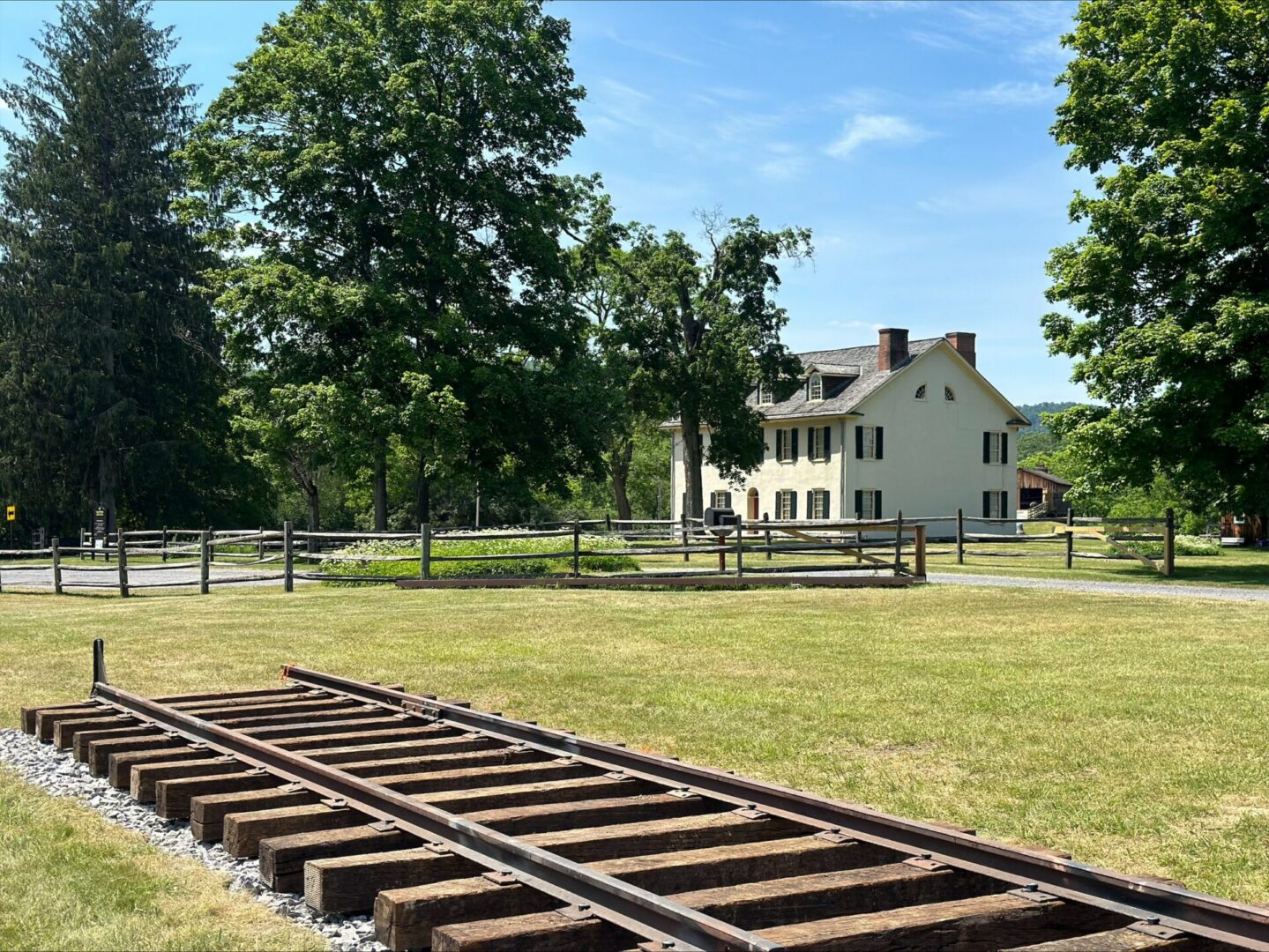
Eagle Iron Works and Curtin Village is one of Pennsylvania’s most important historic iron plantations. Established in the early 19th century by the Curtin family, the site includes the historic iron furnace, workers’ village, and the home of Governor Andrew Gregg Curtin, Pennsylvania’s Civil War governor.
Today, the property serves as a vital educational and cultural resource, preserving the story of Pennsylvania’s iron industry and the people who helped shape the state’s history.
According to Renea Nichols, a Roland Curtin Foundation volunteer, the foundation was formed in 1966 with the intention of preserving, maintaining and interpreting the history of the Curtin Mansion and related industrial resources.
In 1968, the property was conveyed to the Pennsylvania Historical and Museum Commission, which in turn leased additional acreage from the U.S. Army Corps of Engineers.
In 1974, the restored 1850s-era mansion was opened to the public for tours under the direction of the non-profit Roland Curtin Foundation. Since that time, the foundation has welcomed thousands of visitors and hosted countless educational events.
Property transfer
In recent months, ownership of Curtin Village was transferred from the state to the foundation.
State Rep. Paul Takac, D-Centre, sponsored the bill for the transfer. The bill passed the House unanimously, according to an April 2024 press release issued by Takac’s office.
Foundation President Sue Hannegan said of the bill’s passage, “Over the past five years, members and volunteers of the non-profit Roland Curtin Foundation have worked toward passage of this legislation, as it provides the means to return Eagle Iron Works and Curtin Village to local ownership, and opens the possibility for the foundation to seek grant funding, initiate a capital campaign, enhance interpretive programs and establish an endowment program to support long-term operation of this historic site.”
The significance of this transfer in ownership is the return of a nationally significant historic landmark to the hands of the community that has loved, protected, and interpreted it for generations. For the first time in decades, local citizens are not just caretakers of this historic treasure — they are its owners and stewards for future generations.
“We have invited everyone from the state historical museum and the governor, of course, to the Curtin family (descendants) to the celebration,” Nichols said in a statement. She added that Centre County Commissioner Mark Higgins is confirmed to read a Proclamation, and Takac may be on hand at the celebration as well.
“So many people are connected to the Village since it has been a key part of the history of County, we want them to know that this is truly a community celebration,” Nichols said. “We are all volunteers running it, no paid staff, so the community is key to its success!”
Capital Campaign
With ownership now secured and a clear eye on long‑term sustainability, The Roland Curtin Foundation is launching an ambitious three‑prong capital campaign totaling $3.8 million. The largest investment — $2.4 million — will restore historic structures, remedy long‑standing building deficiencies, and enhance the visitor experience, including the reconstruction of the Company Store and the transformation of the Curtin Rail Station into a dedicated Visitors’ Center.
A second goal — $1 million for ongoing operations and promotion — is already halfway achieved. The final component, $400,000 for expanded educational programming and interpretation, will strengthen the site’s role as a regional learning destination. Early support has already begun flowing into all three categories.
Curtin Family photo gallery
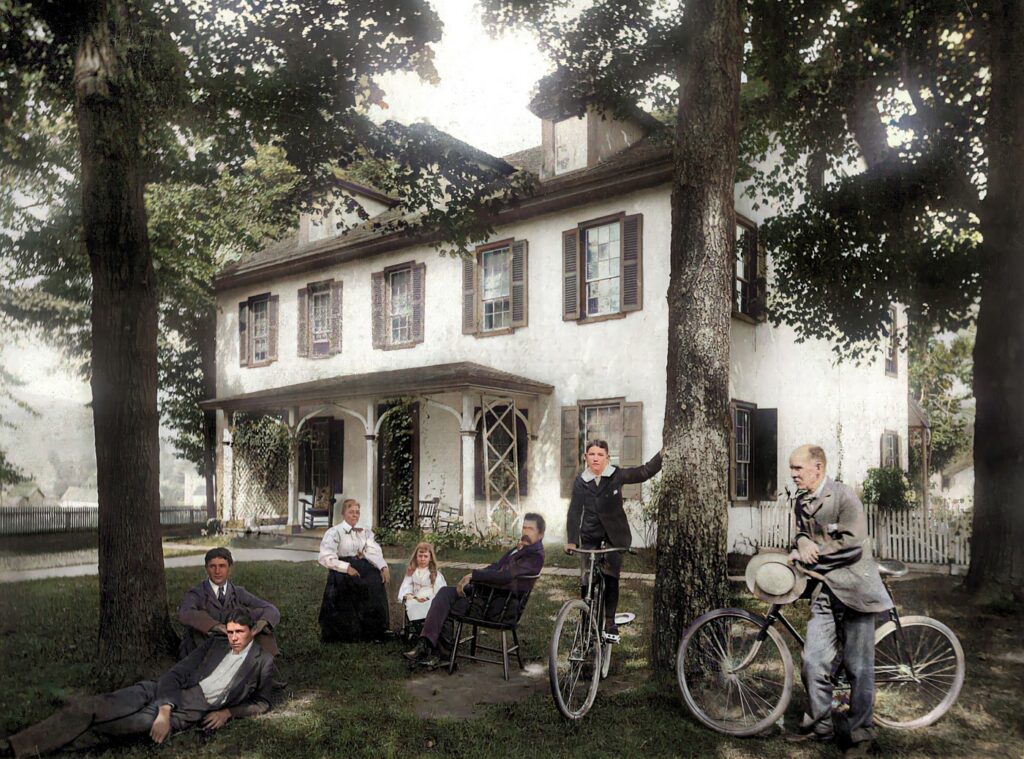
A new offering in 2026 is a gallery of 15 framed images of Curtin Mansion residents spanning the home’s first 120 years from 1831 to 1951. Hung in chronological order in the Mansion’s second-floor hallway, the captioned reproductions of painted portraits and photographs feature Curtin family members and relatives, beginning with Eagle Iron Works founder Roland Curtin Sr. and his second wife Jane, and ending with the family of their great-grandson Hugh Laird Curtin Sr. and his wife Thomazine.
The images “give a face” to the mansion and its five generations of “Iron Curtin” inhabitants. The gallery was assembled by foundation volunteers, with partial funding from the Happy Valley Adventure Bureau. A caption card attached to the wall beneath each framed (in period appropriate frames) photo gives an informative description of the people in the photo, including their lives, family relationships, and the circumstances for the photo being taken.
Through these images, viewers will observe changing trends in clothing fashion, discover alterations in the Mansion’s facade, learn about safety measures for bicycles in the 1880s, and wonder at the perils of emerging non-studio interior photography.
The celebration will also give a nod to the Irish heritage of the founder with music and Irish dancers from the youth group, Tir Na Nog.
More Community
View all Community
Alpha Fire Company Receives $10K Donation From Bloom Energy During ESPN Radio Tour Stop
ESPN Radio’s College Football Campus Tour made its first stop at Penn State, bringing a $10,000 donation from Bloom Energy to Alpha Fire Company ahead of Saturday’s Homecoming matchup between […]
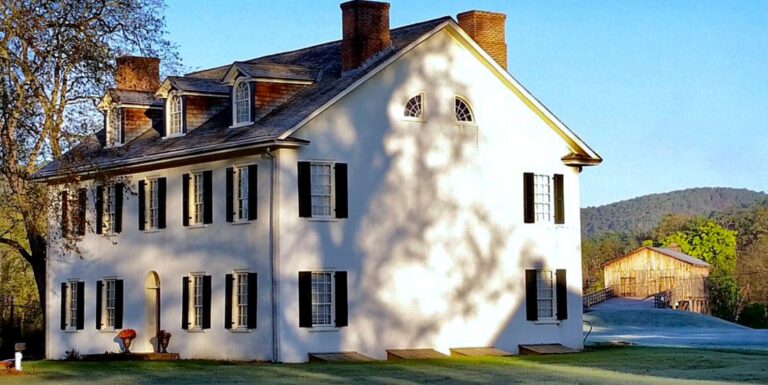
Curtin Village Set to Host Final Tour of 2026
Visitors are invited to journey into Pennsylvania’s ironmaking past on Sunday during the 2026 season’s final guided tour of Eagle Iron Works and Curtin Village
Kitty Yoga at Axemann Brewery Brings Community Together for Centre County PAWS
Axemann Brewery in Bellefonte looked a little different on Wednesday night depending on which floor you were on. Downstairs, people played cornhole, sat around the bar and gathered for trivia. […]


