
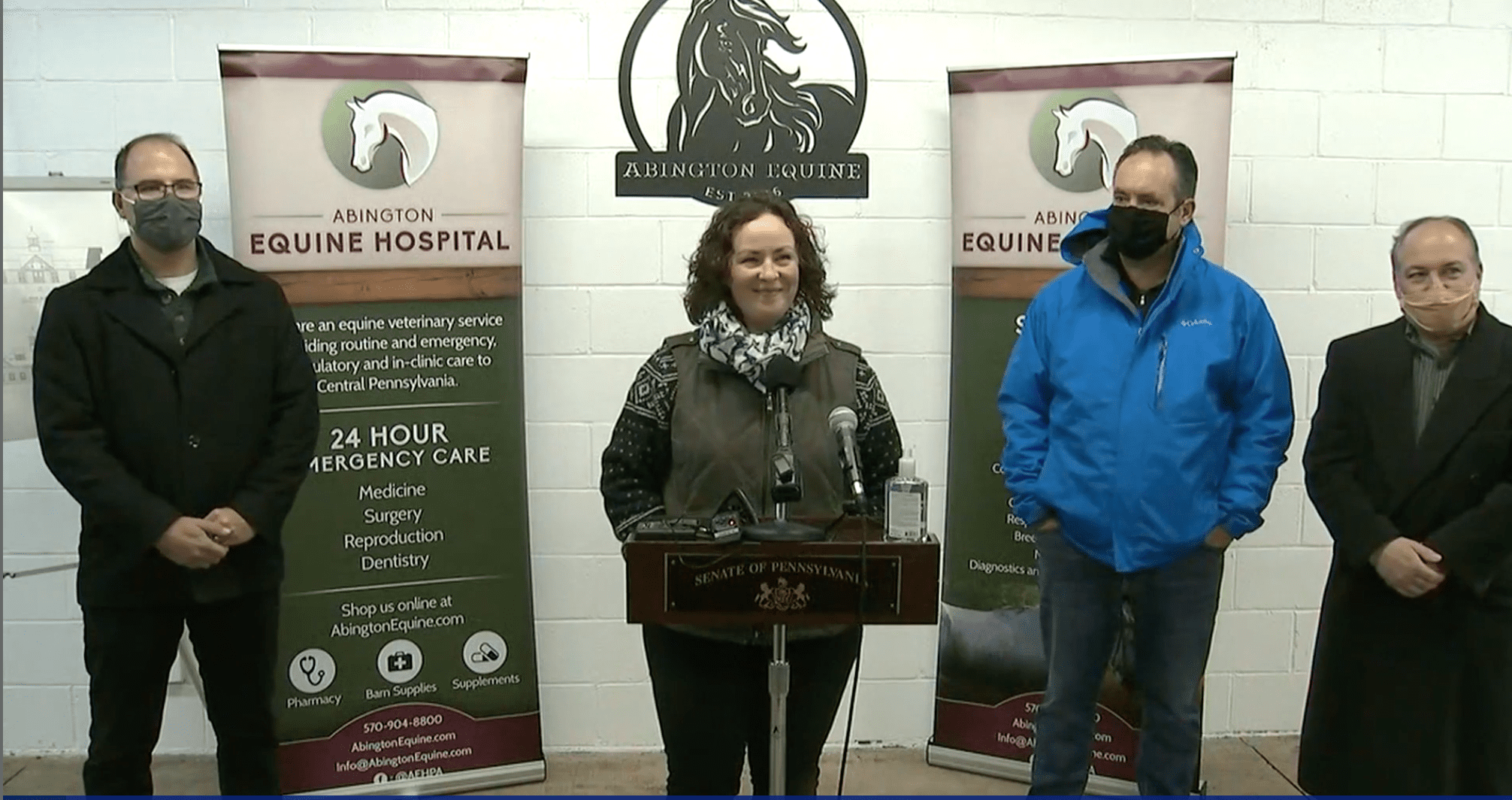
A $370,000 state grant will assist Abington Equine Hospital in Patton Township with its planned development of the region’s only full-service equine surgical facility.
State Sen. Jake Corman, R-Benner Township, Rep. Kerry Benninghoff, R-Bellefonte, and Rep. Rich Irvin announced the grant from the Keystone Communities Program, at a press conference on Thursday with Abington owner Dr. Catherine Radtke.
Once completed, the overall $2.4 million project will allow Abington Equine Hospital to provide an array of advanced surgical procedures, with five stalls for horses, two surgery rooms, an examination area, consultation room, treatment rooms, offices, laundry and other support spaces.
Plans also include a 12,800-square-foot equine arena for evaluating horses before and after surgery. The arena will not be open to the public, nor will any of the facilities be rented out.
Abington Equine Hospital currently offers ambulatory services and clinic care out of the existing white barn on the same property off West Buffalo Run Road where the new facility is proposed. It provides general medical and reproductive services as well as routine and minor emergency surgical services.
But for advanced procedures, Radtke said the nearest place owners can currently take their horses to Brown Equine Hospital in Somerset.
“They’re a lovely facility but they’re a little too far away for some of our problems that our horses get,” Radtke said. “They can actually pass on the trailer having to go that far. It literally means life or death to some of our patients. It’s not just a convenience thing.”
Aside from the Somerset hospital, owners otherwise need to take their horses to Philadelphia or Ithaca, New York.
And as the horse industry grows in Centre County, there is a growing need for more medical and surgical capacity. About 1,065 horses reside in Centre County but the area also is a draw for visiting horse owners.
In 2011, the Equine Center at Grange Park received state funding to build its indoor arena and in 2018 was awarded a $1.5 million state grant to further expand to draw in some of the largest horse shows on the east coast.
“The natural growth of that industry is medical facilities,” Corman said. “These animals are an enormous investment and if they are going to bring these animals to Centre County for shows, or people go to purchase and make these types of investments they’re going to need medical facilities… You’re not going to make that investment or make that risk to bring that investment to Centre County if there’s not the proper facilities to take care of that tremendous investment, those beautiful animals.”
Irvin said central Pennsylvania can see the kind of equine industry growth other parts of the state have had with investments such as this.
“I know the equine industry is definitely an economic driver in the eastern part of the state and I think by making this step we are moving forward right here in Central Pennsylvania so that we can continue to grow this industry and improve upon it,” Irvin said.
Radtke said Abington currently employs three veterinarians and three support staff members, but those numbers will grow as the hospital expands.
The Keystone Communities Program is administered through the Department of Community and Economic development and is designed to foster public-private partnerships suited to local needs.
“As we as elected policymakers struggle to try to try to bring our economy back, we’re excited to make this investment, some of your tax dollars coming back here to Centre County investing in an industry that not only helps to employ our great vets from our vet schools throughout Pennsylvania and throughout the nation but to help an industry continue to grow,” Benninghoff said.
Radtke expects construction to begin in the spring and for the surgical hospital to be in operation by early winter.
“Due to the great work of Dr. Radtke she’s been able to grow this industry and we thought it was important as a community to help invest so that this can be a facility that will be one of the best not only in central Pennsylvania but in Pennsylvania and maybe the east coast at some point in time.
More Community
View all Community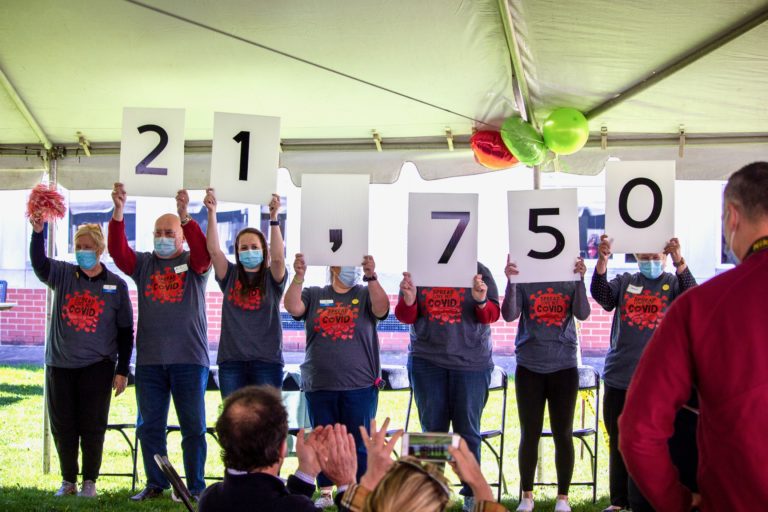
‘Nothing Short of Heroic’: Community Members, CVIM Celebrate Volunteer COVID-19 Vaccination Efforts
Centre Volunteers In Medicine (CVIM) hosted an event on Saturday morning at Mount Nittany Middle School to celebrate its COVID-19 vaccination efforts. The organization lauded its volunteers, provided updates on […]
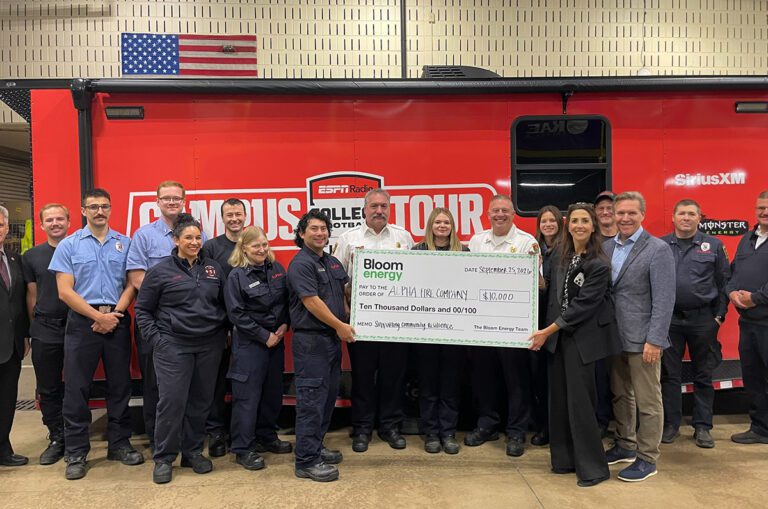
Alpha Fire Company Receives $10K Donation From Bloom Energy During ESPN Radio Tour Stop
ESPN Radio’s College Football Campus Tour made its first stop at Penn State, bringing a $10,000 donation from Bloom Energy to Alpha Fire Company ahead of Saturday’s Homecoming matchup between […]
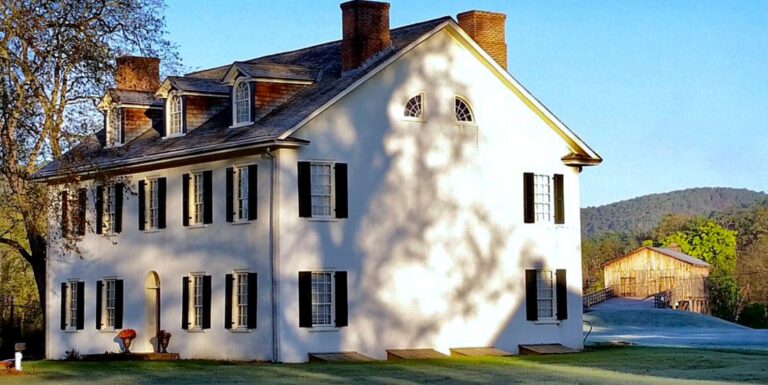
Curtin Village Set to Host Final Tour of 2026
Visitors are invited to journey into Pennsylvania’s ironmaking past on Sunday during the 2026 season’s final guided tour of Eagle Iron Works and Curtin Village


