
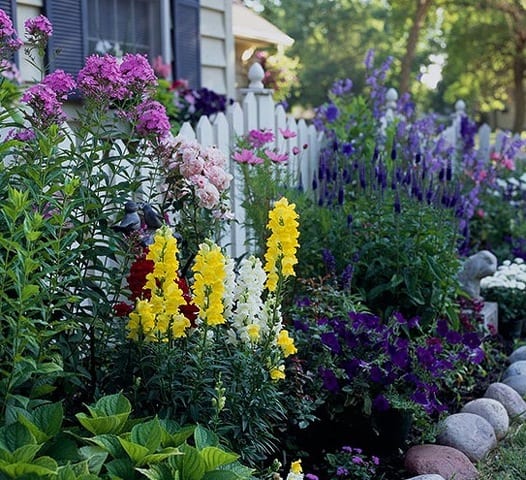
As summer wanes and many plants with it, I find myself already becoming wistful for spring, especially when I anticipate the many upcoming autumn gardening tasks.
If you are dreading the strains of fall gardening and the back, shoulder and knee issues that can result, here are tips that may be helpful, no matter what your age.
■ Tools of many kinds help make the work go faster and easier.
Substitute some of those heavy metal tools with ones that are more lightweight, with resilient handles and ergonomic designs. Not only are they easier on the hands, but they take less effort.
Tools with offset handles also make digging and weeding easier.
Keep the tools sharp and clean, which will result in less effort expended. Also, pruners with ratcheting action require less hand strength.
Be sure to use the correct tool for the job. For the longest time, I wasted effort using a large rake to get into small places, such as around shrubs, when I found that a small rake with a telescopic handle was what was needed.
Handle extenders on tools such as shovels can save the back by reducing bending.
In the same way, a reaching tool can help pick up weeds or dried leaves and help put tools away when done.
One of the best pieces of equipment I purchased was a garden kneeler/seat with handles. Not only does it help cushion my knees (both of which I broke gardening a few years ago when I fell on a brick walk), but it provides an extra boost when getting up.
Don’t be afraid of the new power tools like blowers and trimmers. Most use lithium rechargeable batteries now, eliminating the use of cords, and are smaller and easier to handle.
■ Gardening gloves are a necessity, not just a fashion statement.
It is necessary to have at least one good pair of gardening gloves to protect hands and prevent injuries, no matter what your gender. I wear them whenever I’m doing any gardening task.
There are also different types of gloves designed for different purposes. A company called Bionic, for example, makes gloves specifically designed by an orthopedic hand specialist for gardeners who have arthritis. There are gardening gloves used for pruning roses that are longer and that may also be an option for those who want to protect their lower arms.
■ Common sense solutions are helpful when mowing the lawn.
I have an oversized pull grip handle on my mower, and it makes it easier to grasp the string for my pull- start. Also, adding foam padding to lawn mower and power tool handles can help to reduce aches and pains from the motor vibrations. If bending is an issue, try a handle extender on the lawn mower to raise the handle height and reduce the strain on back and shoulders.
■ Garden smarter.
I try to find shortcuts to make my gardening go easier. One way is to use fewer annuals; replace them with lower maintenance perennials or wildflowers to get color in the garden with a little less effort.
Buy smaller bags of soil, mulch and amendments if lifting and hauling is an issue. Invest in a garden cart to move them. If needed, enlist or hire some help.
Finally, choose the best time to do tasks. Working early morning and evening when it’s cooler is easier on the body. Also, weed after a rain when the soil is softer and the weeds are easier to remove.
Plant-related tasks on my list to be done in the garden in August and September:
■ Continue weeding through the summer.
■ Harvest vegetables and put any diseased ones in the garbage rather than the compost pile. Radishes, lettuce and beets can be replanted for a long harvest season. On plants like tomatoes, pick off small ones in order to let the larger ones mature.
■ Divide perennials to either transplant or share, especially hostas and peonies.
■ Begin fall grass seeding; apply lime to the lawn, but only if a soil test says it’s needed.
■ After testing the soil add compost and soil amendments to the vegetable garden and general landscape.
■ Pull out any diseased or buggy annuals, but give the rest a chance to rebound as temperatures become cooler. Clip off brown tips and leggy stems and give an application of fertilizer.
■ Try replacing spent annuals in flower beds and containers with cool-season plants like ornamental cabbage and kale. In nurseries, there may also be new offerings of pansies and violas, which are cold-hardy enough to survive and bloom again in the spring. And, of course, there are always mums of all colors and sizes. Most are treated as annuals and thrown away once they fade.
■ Begin acclimating outdoor houseplants for their winter trip indoors. When first inside, separate them from other houseplants to make sure there are no insects on the plants. Dropping leaves in lower light is normal. Do not fertilize the houseplants until March.
■ By mid-September, start to take tender plants inside or take cuttings of favorites before they are killed by frost.
■ Delay most pruning until late fall or winter when deciduous trees have lost their leaves.
■ If fall webworm tents are a problem, either cut off the branches to which they are attached or poke them open with a stick so the birds can eat the young caterpillars.
■ Most importantly, make opportunities to sit and enjoy the garden now and into the coming weeks.
As fall approaches, I may have trepidation about garden tasks, but I do look forward to the blaze of color about to occur in the forests. Some trees that offer richly colored foliage and can be grown in our own backyards include aspen, birch, flowering dogwood, linden, sugar and red maples, nyssa (tupelo), oaks, sourwood and sweetgum. Actually, every season is one to savor here in Pennsylvania.
More Community
View all Community
Happy Valley Film Commission Supports Growing Number of Productions in Centre County
Centre County is growing as a film destination, and on Tuesday the Happy Valley Adventure Bureau officially launched an initiative designed to attract and support productions in the area. The […]
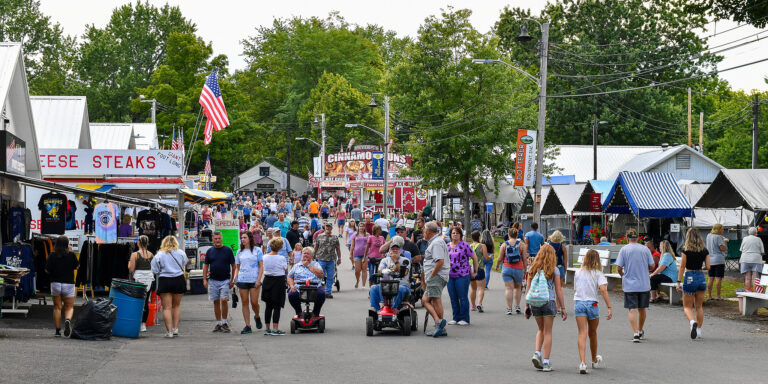
2026 Centre County Grange Fair Set to Get Underway
This article originally appeared in The Centre County Gazette’s Official Grange Fair Guide. CENTRE HALL — Summer’s grand finale is here. For more than 150 years, families have pitched their […]
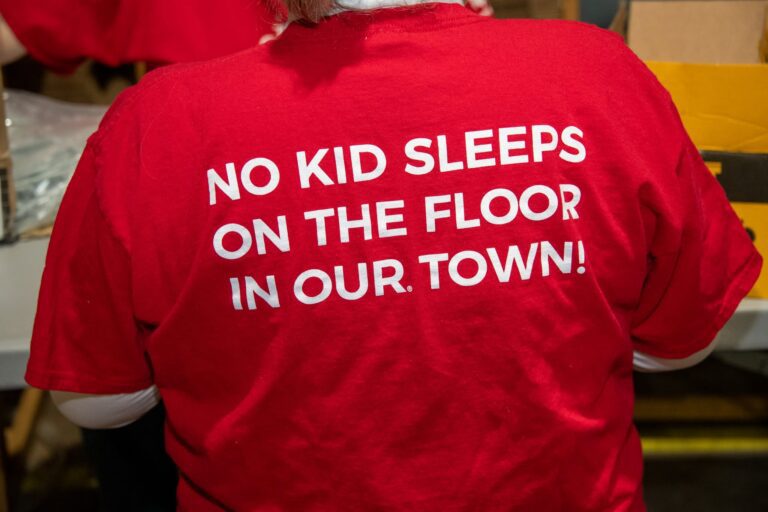
Nonprofit Organization’s ‘Bunks Across America’ Event in State College to Build Beds for Local Children in Need
Nonprofit organization Sleep in Heavenly Peace will bring volunteers together at Lowe’s Home Improvement in State College next month to build 50 beds for children in Centre, Clinton and Lycoming […]


