
In 2006, with the help of some talented colleagues, I designed and oversaw for Penn State one of the first mass text alert systems in the country.
Today these systems and others, like telephone and text-based Reverse 9-1-1 technology, are commonplace on college campuses, in large corporations, hospitals and in communities around the nation. Centre County has a Reverse 9-1-1 system called Code Red.
Tens of millions of dollars a year are invested in such systems. Consulting firms have been created to help install, manage and offer advice about them. Many qualities of these systems have improved over the past 13 years.
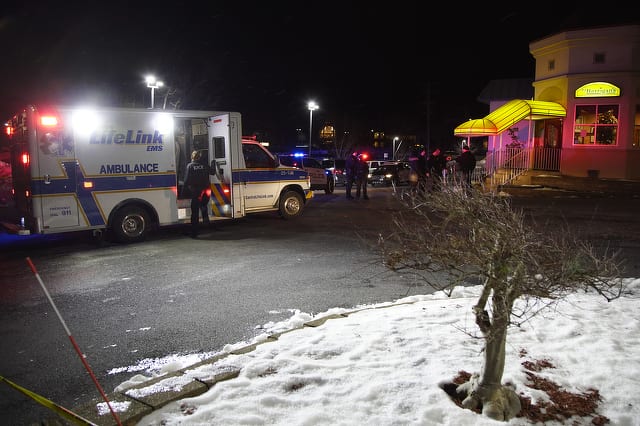
But no matter how much such digital alert systems have raised the bar, there are still big problems with them. We often don’t notice the shortcomings until they are used or needed, like the shooting that resulted in the deaths of four people here in State College a few days ago.
One important aspect to keep in mind: Despite thousands of these systems, there is not a lot of evidence that swift, accurate text alerts during a mass shooting saves lives. I still believe they are important, but let’s be realistic about what they can and cannot do.
When all the details emerge about what happened Thursday night after a gunman started shooting at P.J. Harrigan’s on South Atherton Street before killing another man on Tussey Lane, I am sure suggestions for improvements will emerge. I trust officials will make smart decisions, not emotional ones.
There are several fundamental problems with using text alert systems.
1. Social media will almost always be faster than the best official text alert system. And during a crisis, social media posts from the general public will often be inaccurate.
2. Official text alert systems must always be 100 percent accurate. Lives depend on it. Being accurate may result in being slower. It also means those initial texts need to be vague. It takes a lot of time for emergency responders to arrive on the scene, assess what happened or is still going on, and think about the most critical things that need to happen next.
Should they apply a tourniquet to a bleeding victim, try to stop witnesses from leaving the scene, make sure the shooter is not hiding down the hallway, or call in directions for a text alert? Should they make sure enough backup has arrived to secure the scene, chase the fleeing shooter or ensure that text alert process is set in motion?
3. There are still Americans who choose not to use social media or text alert features either because the cell phones and service are too expensive or reception is poor. We live in Patton Township and visitors who use Verizon service have to step out on our front porch to get a signal.
Social media posts, sometimes by anonymous strangers, can be wildly inaccurate and there are no consequences for these unofficial communicators. An official posting inaccurate information can lose their job.
If you have been at a 911 center or listened to the audio recordings after a local crisis, you will be shocked at the volume of calls and the level of inaccuracy of such calls that rush in. The morning after one imaginary crisis at Penn State, I listened to recordings of dozens of panicked callers saying they believed a gunman was in a campus residence hall, in the library, in the student union building and down on Beaver Avenue.
In response police in SWAT gear were rushing everywhere.
In fact, there was no gunman at all. It was an inaccurate rumor that quickly spread among students and local residents by cell phone, social media and their own texts to one another.
Another problem with such systems is overload. When an earthquake erupted in Virginia about eight years ago and was felt here in Centre County, Penn State immediately used its text alert system. My notice arrived on my cell phone 30 minutes after we hit the “send” button. A colleague reported her notice arrived 15 minutes after mine.
I do think a general alert to a wide part of the community is warranted in the case of a likely shooting. It needs to be broadly distributed because, as we saw in this case, the shooter left the initial killing scene and broke into a home elsewhere in town and also killed someone there.
Perhaps something like: “Shooting reported in State College. Police investigating. Shelter in place. Accurate info may take time.”
If at all possible follow up with something, anything, within 15 minutes.
Criminals do not stop at the border between State College, local townships, and Penn State’s huge campus. And the university has buildings and property sprinkled throughout the greater State College area miles beyond what many of us think of as the core campus. This killer in particular was driving through the community.
Most Penn State students and all of its employees live off campus, where these two shootings occurred. Although not required by law, I think Penn State’s text alert system should be employed in this kind of situation.
The question should not be: “Do we legally HAVE to send a text alert?” It should be, “Could a text alert from us help the situation for a lot of people?” In this case the shooter drove past a heck of a lot of Penn State students and employees on the way to his next victim. He could have stopped anywhere.
If thousands of Penn Staters share incomplete or inaccurate information about a developing situation through their own texts and social media, the university could help the situation with factual details. This is not a criticism, just a suggestion for something that might help the next time.
Text alert systems are great, but they are not perfect. Criminals have cell phones, too, and can see every message being sent out. There is typically little specific information in the first minutes of a chaotic situation. And delivery may be slow. We should lower our expectations but also keep looking for ways to improve their use.
The public can help by not expecting more than can reasonably be delivered by such systems. Are we all prepared to receive frightening but vague warnings to hide and then wait 30 to 60 minutes for an update, which may still lack useful details?
Just as the first ambulance crew on the scene must triage shooting victims, police and other emergency personnel must triage what actions need to be taken first, second and third to try to end a deadly situation without further casualties.
All the emergency responders deserve a great deal of credit for the work they did related to this event. Rushing into a dangerous situation is something we can’t thank them enough for doing.
Bill Mahon lives in Patton Township and provides communications advice to clients around the country through his firm, Ground Zero Ready. He is a former vice president of university relations at Penn State.
More Columns
View all Columns
Penn State Lost to Wisconsin: How Bad Was it?
How bad was it? Ahead 17-0 just 18 minutes into the game and lost bad. Ahead 20-10 until Wisconsin scored with just 211 seconds left in the game and lost […]
Penn State Football: Tonight, the Haters Were Right
On Dec. 11, 2023, Twitter user @drewjanda put out a since-deleted post that now lives in sports meme infamy. It read as follows: “The haters said I couldn’t do it. […]
Penn State Football After Dark: Homecoming Contest Begins a String of ‘Night Shift’ Games
Under coach Matt Campbell, Penn State football practice is held early in the morning, with coaches and players arriving at Lasch Building before the sun comes up. For the next […]


