Centre County and State College Borough are not included on a newly released Department of Justice list of “sanctuary jurisdictions” after both were named on an initial version published in May by the Department of Homeland Security and later deleted.
Published on Tuesday, the new list of jurisdictions that the Trump administration says have “policies, laws, or regulations that impede enforcement of federal immigration laws,” includes 12 states, the District of Columbia, four counties and 18 cities. The only jurisdiction in Pennsylvania listed is Philadelphia.
“Sanctuary policies impede law enforcement and put American citizens at risk by design,” Attorney General Pamela Bondi said in a statement. “The Department of Justice will continue bringing litigation against sanctuary jurisdictions and work closely with the Department of Homeland Security to eradicate these harmful policies around the country.”
Centre County and State College officials reacted with puzzlement and frustration after their inclusion among more than 500 jurisdictions on the original DHS list, which was created after an April 28 executive order by President Donald Trump directing Bondi and DHS Secretary Kristi Noem to publish a list of states and jurisdictions that they considered to be obstructing federal immigration laws.
Elected leaders and administrators from the county and borough said in early June that they had not received any notification or explanation for their inclusion, and that they comply with federal laws.
Borough police chief John Gardner has addressed the borough’s policy on immigration enforcement several times in the past, saying that because most immigration enforcement is a civil administrative matter that is the responsibility of federal agencies, his department does not typically get involved, Gardner said in January. But he said that borough police will assist local, state and federal law enforcement authorities with criminal investigations and will comply with court orders.
A resolution passed by State College Borough Council in 2017 spelled out that approach and reaffirmed the borough’s longstanding policy not to ask victims or witnesses of crimes about their immigration status. When some media reports characterized that resolution as declaring “sanctuary city” status, borough leaders were quick to say that was not the case, and that it was a statement of values that changed nothing about how the police department enforced laws or assisted with investigations.
“Our police department does have a policy of not enforcing federal immigration law. This is really a reciprocal approach,” Borough Council President Evan Myers said in June. “We wouldn’t expect [Immigration and Customs Enforcement] to enforce our traffic laws or give out traffic tickets. It’s not their jurisdiction, like immigration measures are not in ours. At no point have we declared State College a sanctuary city for immigrants. In fact, we’ve stated we don’t regard ourselves as such.”
Centre County District Attorney Bernie Cantorna and the Board of Commissioners both said they knew of no policy or practice that could have landed the county on the list. Board Chair Mark Higgins said in June that the county jail complies with detainer requests, though because it is not federally licensed “they need to pick them up pretty quickly because we really can’t have them stay overnight.”
Commissioners at the time expressed some concern that a statement accompanying the original, deleted list suggested federal funding was at risk for places labeled “sanctuary jurisdictions.”
Confusion among officials in the borough, county and elsewhere around the country in May and June largely stemmed from a lack of clarification about why their jurisdictions may have been placed on the list, which drew pushback from Democratic and Republican strongholds nationwide.
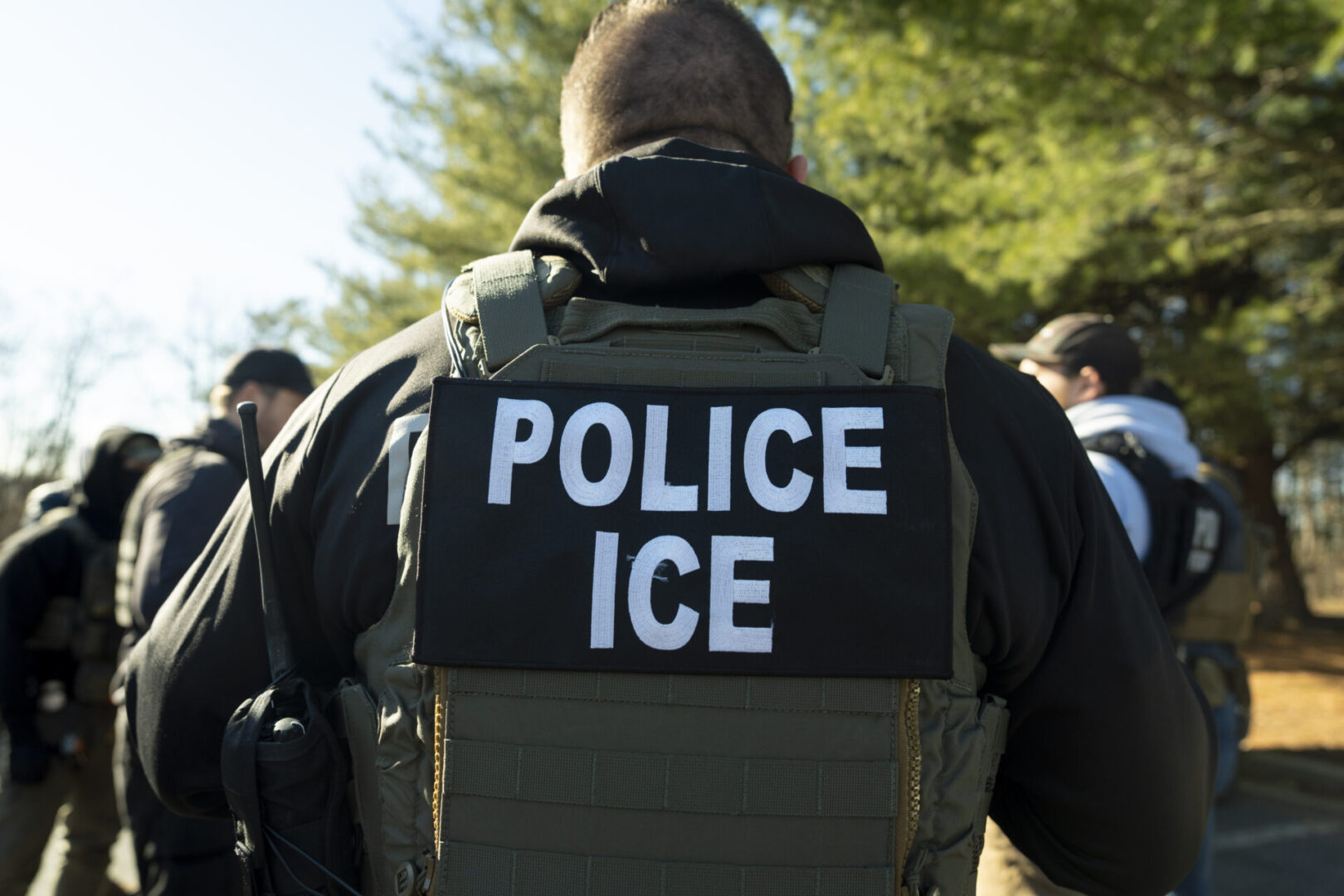
The new Department of Justice list is accompanied by nine “sanctuary jurisdiction characteristics.” They include public declarations identifying as a sanctuary jurisdictions, local laws or directives that “obstruct or limit local law enforcement cooperation” with Immigration and Customs Enforcement, restrictions on sharing information about the immigration status of detainees with federal authorities and prohibitions on using local resources to support federal immigration enforcement efforts.
Also among the characteristics are training employees to not respond to ICE requests for information, refusing to honor ICE detainer requests unless a warrant is signed by a judge, restricting ICE from interviewing jailed detainees, having dedicated offices to advise immigrants living in the country illegally and circumventing federal laws to provide federal benefits to those lacking permanent legal status.
The new list “is not exhaustive and will be updated as federal authorities gather further information,” according to the DOJ release. “The federal government will assist any jurisdiction that desires to be taken off this list to identify and eliminate their sanctuary policies, so they no longer stand in opposition to federal immigration enforcement.”