

State College Borough Council on Monday voted unanimously to establish a nine-member committee tasked with researching and developing recommendations for a community oversight board for the police department.
The resolution calls for the ad hoc committee to deliver its final report to the board by Oct. 19.
The oversight board is one of several police reform measures to which borough council committed in a resolution passed last month. The resolution came in response to demands from community members, including the 3/20 Coalition, the advocacy group formed following the police shooting death of Osaze Osagie last year in State College.
Assistant Borough Manager Tom King explained last week that the common goals oversight boards have are to improve public trust, ensure an accessible complaint process, promote thorough and fair investigations, increase transparency and deter police misconduct.
King said there are three general models for oversight boards: investigating police misconduct cases, reviewing misconduct investigations and outcomes, or serving a monitor/auditor role. Many of the 166 oversight boards throughout the country, however, are hybrid models incorporating characteristics of two or three and varying in responsibilities and scope.
What form State College’s board takes will be largely informed by the work of the ad hoc committee, which will seek out expert and community input and conduct its own research.
The committee will consist of the three members of the borough police Civil Service Commission, five at-large community members from the SCPD service area appointed by council President Jesse Barlow, and Shoba Sivaprasad Wadhia, the director of Penn State Law’s Center for Immigrants’ Rights Clinic.
Who could be considered for the five at-large appointments engendered the most debate on Monday night.
As originally written, the resolution called for all at-large members to be residents of State College. Councilman Dan Murphy suggested that Barlow have the option to select anyone who lives or works in the borough.
‘Those that work in the borough, spend a great deal of time here, have just as much opportunity to interact with our State College Police Department and to be members of the community,’ Murphy said. ‘I also think it just opens up and diversifies the expertise and perspective of individuals that could potentially serve on this oversight board study committee.’
Opening it to non-borough residents met with little agreement from other members of council, who said the board is an initiative of the borough and its taxpayers should be the ones to have roles on the creation committee.
‘While I understand that people from the entire region work here and have to deal with either the borough or for that matter Penn State police forces, I do not believe that something that affects the funding, the legality, the design and oversight of our force, our employees, should be handed over to somebody who is not a resident of the community,’ Councilwoman Theresa Lafer said.
‘We have a good police force. It needs some oversight and it needs some modernization. I do not think we need to be bringing people in from all over everywhere when we have so much talent and experience right here in the borough.’
Murphy later made a motion to amend the resolution so that at-large members can come from the department’s service area. That opens it up to residents of College and Harris townships, which contract police services from the borough.
Councilman Evan Myers said it would be fair to those township residents since they pay taxes to receive SCPD services.
‘Folks who live in those two other townships are in fact paying for the services of the police department. so therefore, even though they’re not State College residents, their taxes are going for this service and they are coming under the jurisdiction of the State College police force,’ Myers said. ‘If they have no input, they have no representation.’
Councilman Peter Marshall, joined Lafer and Janet Engeman in opposing the inclusion of township residents.
‘As far as College Township and Harris Township, they contract with us because they save a bundle of money,’ Marshall said. ‘We’re the ones that have the responsibility for negotiating contracts, for dealing with grievances, for dealing with problems the police department has, for recruitment, for everything that’s done in the police department we are responsible for it. They are not. They’re doing this because they save a bundle of money and they get a good service. If we can’t use borough citizens to make these kinds of decisions then I think we’re in sad shape. I really do.’
Murphy said he was ‘a little dismayed’ at how council members opposing the inclusion of township residents approached the conversation, saying it reinforced criticisms about the borough ‘being maybe less than good neighbors in terms of how we feel about the input of those who live in the community around us.’
‘I have trust and faith in President Barlow to make good and informed decisions about who he believes will serve this community and I believe extending the service area just gives him more tools to be able to effectively do this work,’ Murphy said.
The motion to amend the resolution and open at-large membership to residents of the SCPD service area passed 4-3, with Barlow, Murphy, Myers and Deanna Behring voting in favor.
Borough Manager Tom Fountaine said the three members of the Civil Service Commission were suggested for the committee because of their familiarity with law enforcement and past work on advisory committees. Typically the commission handles issues related to hiring and recruitment of police officers, but occasionally takes on disciplinary matters that do not go through an arbitration process.
They also formed the core of the Taser Advisory Committee in 2015-16, which was later cited by the Task Force on Policing and Communities of Color as a model for creating a potential oversight board.
‘It’s a group of individuals that are familiar with the issues related to law enforcement given their work in the Civil Service Commission. They have performed well in that capacity in the past and though they do not serve as an oversight board they do have a role in police-related matters in State College.’
The original resolution also allowed Barlow to appoint one council member to the committee. Marshall said a current council member might have disproportionate influence on the rest of the committee and Barlow said he had no intention of appointing a council member anyway. Council unanimously agreed on a motion to strike that option from final resolution.
The ad hoc committee will present to council for consideration one or more models for a community oversight board, including their strengths and limitations. They are expected to outline for each board model the scope of oversight; authority; membership; staff support and budget; duties, responsibilities and limitations; legal considerations; and reporting procedures.
The committee will hold at least one public meeting to receive community feedback, seek input from subject matter experts and obtain technical assistance from the National Association for Civilian Oversight of Law Enforcement or other agencies.
A status report will be presented to council at a public meeting in September.
More Local News
View all Local News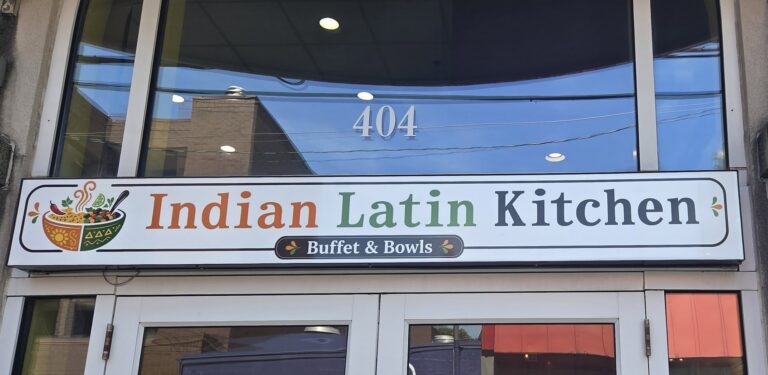
Indian Latin Kitchen Opens in Downtown State College
A new restaurant serving Indian favorites and Latin comfort foods is now open in downtown State College. Indian Latin Kitchen held its grand opening on Wednesday at 404 E. Calder […]
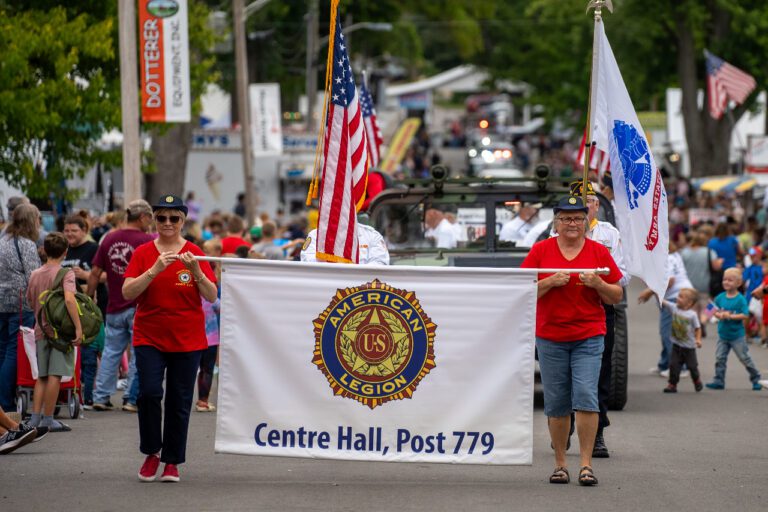
Grange Fair Parade Canceled Due to Potential for Severe Weather
The Centre County Grange Fair has canceled its annual parade scheduled for Thursday because of the threat of severe thunderstorms and potentially hazardous conditions. Fair officials said the decision was […]
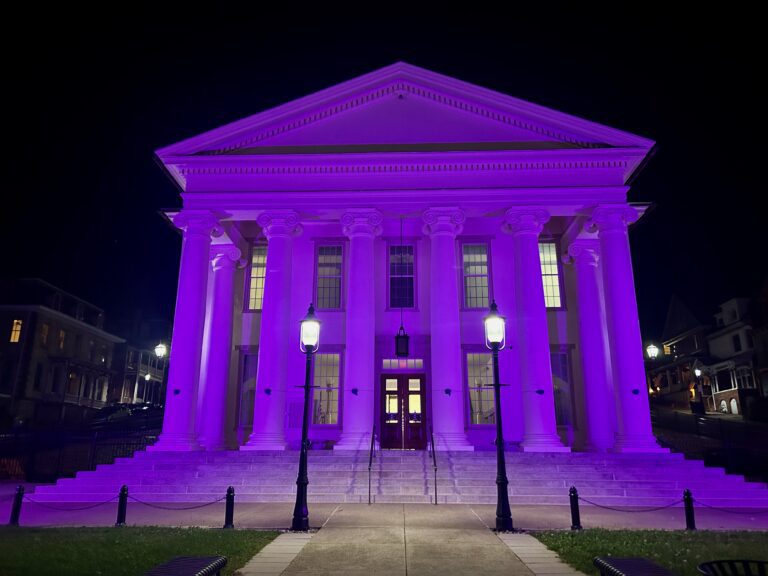
Centre County Recognizes National Recovery Month; Vigil to Remember Lives Lost to Overdose
The Centre County Board of Commissioners on Tuesday proclaimed September as National Recovery Month and Aug. 31 as International Overdose Awareness Day, highlighting local efforts to prevent overdose deaths and […]


