
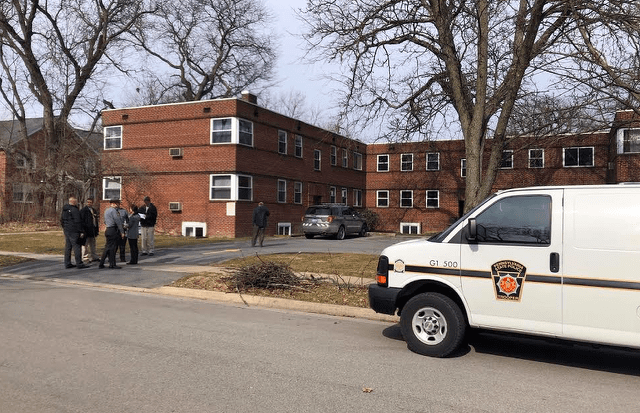
The investigation into the fatal police shooting of Osaze Osagie in March is in its final stages, Centre County District Attorney Bernie Cantorna said on Monday.
Ballistic testing has been completed by the Pennsylvania State Police crime lab, and now the DA’s office is awaiting reports of that testing to complete the investigation and report.
‘Once that investigation and report are completed, the findings will be reviewed with the family and officers involved,’ a news release from Cantorna’s office said. ‘Only after that process has occurred will the results be made public.’
State police have been conducting the investigation since Osagie was shot and killed by a State College police officer on March 20. Osagie died of multiple gunshot wounds after a confrontation with borough officers who arrived at his Old Boalsburg Road apartment to serve a mental health warrant. The 29-year-old allegedly brandished a knife and ‘came after’ the officers, according to a state police search warrant.
On April 9, Cantorna said state police had ‘completed interviews of all persons identified as having knowledge of the incident,’ and that evidence had been sent to the crime lab for forensic testing. He has vowed that the ‘thorough and complete.’ Borough leaders also said that while the investigation is in the hands of state police and the DA, they would advocate for transparency and a full reporting.
Following the shooting, state police recovered 9 mm casings, bullet fragments, a knife and a taser from Osagie’s kitchen, according to the search warrant. A state police official reportedly said borough officers had used a taser first but that it was ineffective.
Issues of race and mental health have been at the center of community conversations and tensions surrounding the death of Osagie, an African-American man who was diagnosed with autism and who had, according to his family, struggled with his mental health for years.
His father, Sylvester, contacted State College police on March 19 because he was concerned about his son’s recent erratic behavior and was unable to locate him. Through his attorney, Kathleen Yurchak, Sylvester Osagie previously told StateCollege.com that he was in town and actively looking for Osaze at the same time as police and expected that they would call him if they found him. He said he had contact information for mental health professionals who are trained to handle such situations, but that police did not contact him when they found his son had returned to his apartment.
State College Borough Council has addressed the shooting at each of its subsequent meetings and borough officials have spoken at gatherings of multiple community organizations dedicated to issues of both race and mental health.
Council president Evan Myers said the borough is organizing two groups to closely examine the response to individuals with mental illness and the relationship between borough police and communities of color.
One group will focus specifically on ‘mental health services and systems, including police response,’ Myers said. The other will build on the work of the Task Force on Policing and Communities of Color, which brought together more than 30 representatives of the State College and Penn State community and issued a 2016 report and recommendations on the relationship between local law enforcement and underrepresented racial and ethnic groups.
Myers said State College will also work closely with Penn State student, administrative and faculty leaders and is evaluating the possible creation of an office of equity and inclusion for all borough government departments and operations.
‘In addition to many other responsibilities, an office of equity and inclusion can help the borough achieve its goal of having a diverse workforce including a diverse police department,’ said Myers, who added that council will hold public work sessions dedicated to the issues of concern.
Community members have been vocal at council meetings and elsewhere about the issue. An April 8 council work session was brought to an early end by protestors who staged a lie-in demonstration after making demands, including the firing and arrest of the officers involved. At the following week’s meeting, several residents spoke during public comment about their own experiences with racism, calling for police to be held accountable and seeking substantive changes in how racism and issues of mental health are addressed.
The three officers involved were immediately placed on administrative leave, per department policy. Two have since resumed working on restricted duty, while the officer who shot remains on leave.
Osagie’s death is believed to be the first fatal shooting by State College police in the department’s 103-year history.
More Local News
View all Local News
Centre County Park and Forest Projects Receive More Than $1.5M in State Grants
Projects to improve parks, develop forest trails and protect natural resources in Centre County received more than $1.56 million in state grants this week. State College Borough, Patton Township, College […]
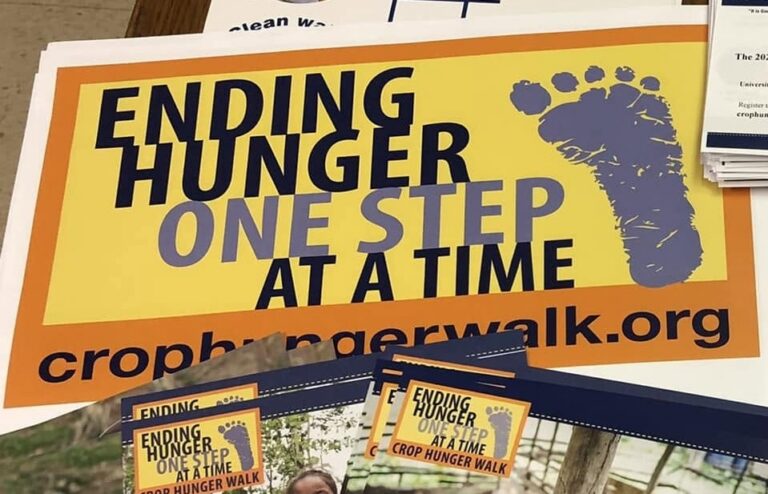
CROP Walk Returns as Demand for Food Assistance Surges
More than 40 years in, the annual State College CROP Hunger Walk will step off Oct 18 amid soaring demand for help at the State College Food Bank, one of […]
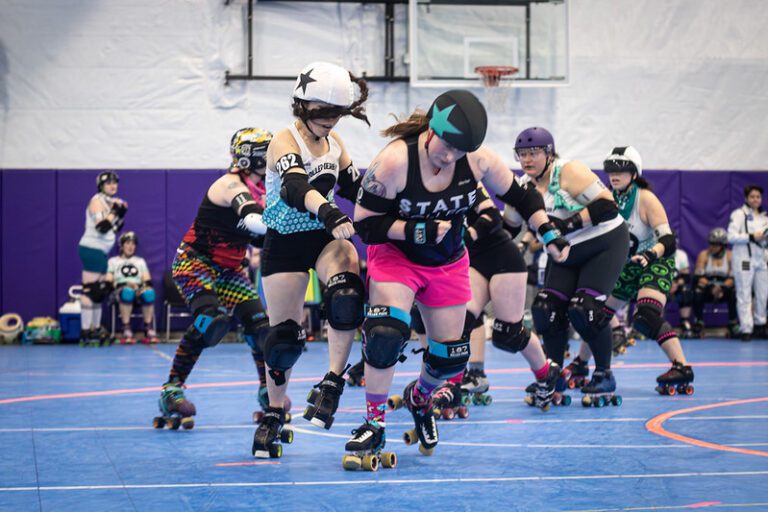
SCAR Derby to Host 16th Birthday Bash Doubleheader
State College Area Roller Derby is set to host its birthday bash on Sunday at C3 Sports Complex, joining alums and current skaters for a pair of Halloween-themed games.


