

Penn State sophomore Jerusha Woodruff knows that some people don’t see the point of public displays of pride from the gay, lesbian, bisexual, transgender and queer community.
After all, being anything other than heterosexual isn’t quite the cultural anathema it once was, and the legalization of gay marriage is sweeping the country – so why did the Penn State LGBTQ community still hold Pride Week on campus this week?
Woodruff says that Pride Week – which featured special lectures and rallies all week long – is a way to help people understand that there are still many battles that need to be fought.
“Gay marriage is not the end-all, be-all struggle of the LGBTQ community,” Woodruff says. “We’re still fighting for fair housing rights and employment rights, and the transgender part of our community is still very misunderstood.”
Sonya Wilmoth, assistant director of Penn State’s LGBTQA Student Resource Center, says this year had a special focus on the challenges transgender individuals still face. She explains that a transgender person is someone who knows that “in the core of their being” they are not the sex they were born as, and decide to live as the sex they know themselves to be.
Wilmoth says that – although transgender issues haven’t gained the widespread understanding seen in the gay marriage fight – many people are starting to pay more attention to this important cause. Wednesday’s panel on trans-issues, for instance, had an impressive turnout of over 250 people.
There are also other kinds of gender identities that aren’t widely recognized or understood. Freshman David Yencsik identifies as agender – meaning Yencsik prefers to be referred to as “they” and “them” because Yencsik doesn’t fit into a standard “male” or “female” identity.
“When you have events like this and you have a chance to explain that concept to a large group of people, it makes me feel more comfortable in my identity,” Yencsik says. “It helps other people become more understanding.”
Bettina Love, an author and educational theory professor at the University of Georgia, was on campus Thursday to talk to students about queer identity and how that identity relates to other social constructs like class, gender and race.
Love says public displays of LGBTQ pride push social envelopes and make some people uncomfortable – but that’s precisely the point.
“It’s up to us to constantly push the limits of what it means to be queer and what it means to be normal,” Love says. “That’s part of why we have these celebrations.”
POPULAR STORIES:
Building a Better Greenhouse to Grow a Better World
Judges’ Lawsuits Against Centre County Unsealed
Alumni Association Concedes Legal Battle, Allows Additional Candidates On Ballot
Penn State Football: Time is The Essence of James Franklin
‘Tasting Ticket’ Offers Chance to Sample Homegrown Beer, Wine & Spirits
More Community & Entertainment
View all Community & Entertainment
January Is a Call to Action to Respond to Stalking
This column by Centre Safe Executive Director Jennifer Pencek originally appeared in The Centre County Gazette. When we talk about acts of interpersonal violence, oftentimes people will focus on sexual […]

Busy Weekend of Fall Festivals and More on Tap Around Centre County
The weekend of Sept. 29-Oct. 1 is packed with activities around Centre County, including fall festivals, Oktoberfests, fairs, concerts and more. Check out some of the weekend highlights below. For […]
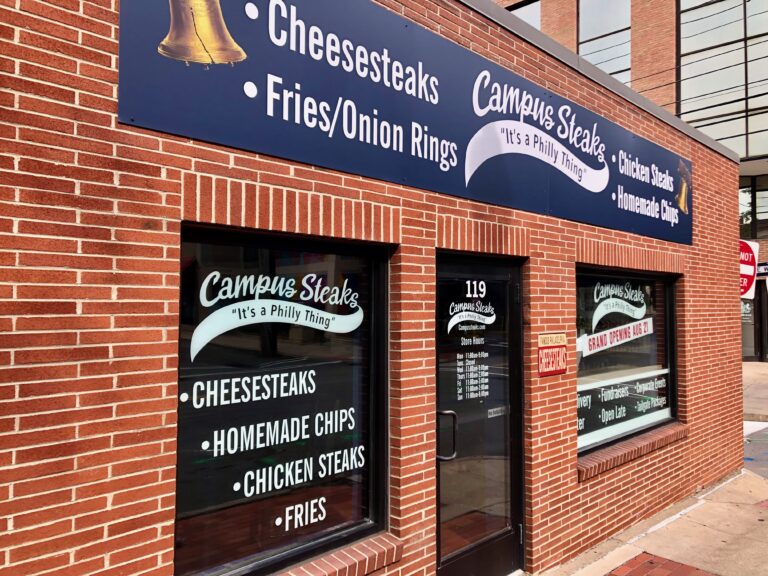
Downtown State College Cheesesteak Shop Sets Opening Date
A new cheesesteak shop that promises a taste of Philly in downtown State College has set an opening date. Campus Steaks plans to hold a grand opening on Aug. 28 […]


