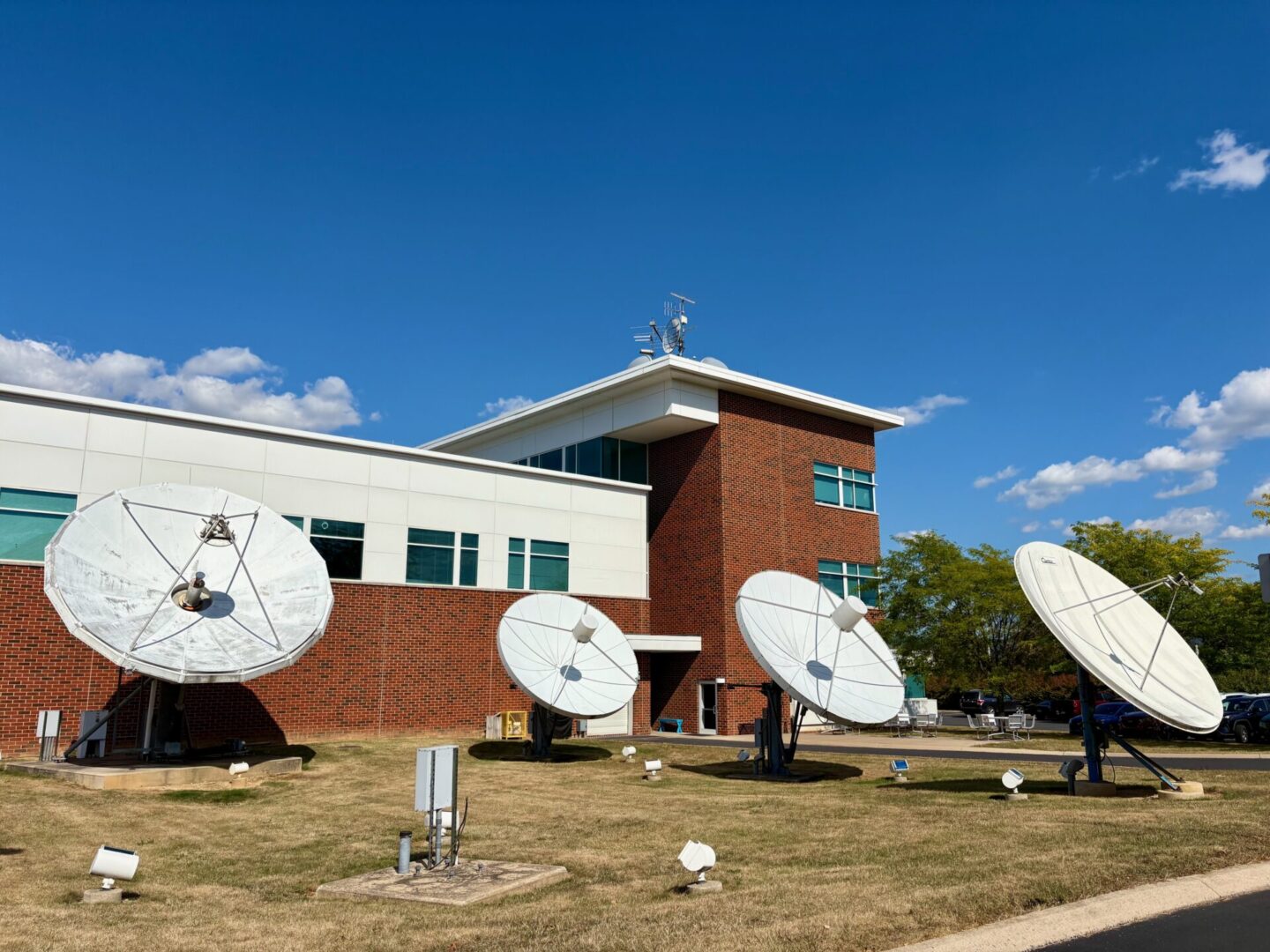
Penn State’s Board of Trustees on Monday approved a new proposal to sell WPSU to Philadelphia area public media provider WHYY in a deal that will allow public broadcasting in Central Pennsylvania to continue.
The action “authorizes the university to negotiate and execute definitive agreements to complete the transaction,” which must also still be approved by WHYY’s board and the Federal Communications Commission. Closing is expected to occur by June 30, 2026.
A trustee committee previously rejected in September a proposal from WHYY to acquire the university-owned radio, television and digital platforms, citing objections to $17 million in subsidies Penn State would pay over five years, a lack of protections for WPSU’s 44 current employees and no guarantee that the stations would remain in business.
“We know what WPSU means to its listeners and viewers and the vital role public radio and television plays in Central Pennsylvania,” Sara Thorndike, senior vice president for finance and business, said in a statement after the meeting. “So, we continued to explore opportunities with WHYY with the goal of keeping WPSU operational while reducing the university’s financial commitment to the station. At times financial negotiations can necessitate multiple rounds of negotiation. I’m thrilled we were able to bring this agreement to this promising point.”
Without a deal in place, the university planned to “wind down” WPSU’s operations by June 2026, with officials saying that “financial headwinds” for higher education and public broadcastin, ongoing allocations of at least $3.4 million from tuition dollars and a $1.8 million loss in federal funding made the stations unsustainable for Penn State.
The decision was met with swift backlash — Chair David Kleppinger said the board received at least 1,300 emails and public comment messages — and the administration continued working with WHYY on an alternative proposal.
Under the terms of the new deal unanimously approved by the board, WHYY will form an entity that acquires WPSU’s radio, television and digital assets, along with endowed funds, for $1. Penn State will no longer be on the hook for post-closing subsidies, but instead WHYY has agreed to seek $8.6 million financing during a 30-day “exclusivity period” to cover the break-even operating costs and keep the university apprised of its progress.
During that exclusivity period, Penn State can listen to other interest in WPSU but cannot sign any agreements while working toward definitive terms with WHYY. While Penn State can use gifts and other WPSU funds for its continued operations, it cannot liquidate the station’s endowment.
WHYY has also agreed to interview any employee who is interested in remaining at WPSU, and those “who are qualified for jobs that WHYY have determined are needed” will be offered the position, Thorndike said.
WPSU will remain in operation for a minimum of three years and will not sell any non-core assets without university permission, terms included to alleviate board concerns that WHYY could simply monetize the assets and shut the stations down.
“They agreed to keep WPSU open for three years, although they have indicated a desire to keep it going for much, much longer than that,” Thorndike said.
WPSU also will continue to offer internships and other student experience programs, and WHYY will continue to lease WPSU’s current space at Innovation Park.
“We make a lot of tough decisions as a university, as a board. And sometimes when someone doesn’t see the value that you see in something, it’s best to put your pencils down and see what evolves,” trustee Mary Lee Schneider said. “I’m just thrilled that we are in this place. I think it’s a great outcome, assuming all closes… I think this is a win-win.”
Trustee Anthony Lubrano said he personally received nearly 500 emails about the potential closure of WPSU after voting against the September proposal
“I think all of us on this committee and board recognize the importance of WPSU, and hopefully now with this proposal, we’ll be able to look forward to many, many more years of broadcasting from WPSU,” Lubrano said.
Penn State-owned public broadcasting began with the launch of WDFM (later WPSU-FM) in 1953. In 1965, WPSX (later WPSU-TV) became the first educational TV station in Pennsylvania to be licensed to a university. Today, WPSU-FM reaches more than 450,000 listeners in 13 counties and WPSU-TV serves 515,000 households in 24 counties, one of the largest geographic coverage areas in the nation.
WHYY President and CEO Bill Marrazzo said his organization plans to build on WPSU’s history of serving Central Pennsylvania with news, storytelling and cultural programming.
“Most importantly, we want to assure public media audiences in Central Pennsylvania that WPSU will continue to be here for you,” Marrazzo said in a statement. “Your stories, your communities and your voices remain at the heart of this work.
“This is an investment in collaboration. WHYY and WPSU are joining forces to expand what is possible – strengthening local journalism, creating new educational opportunities, and developing innovative ways to deliver the content people value most.”