
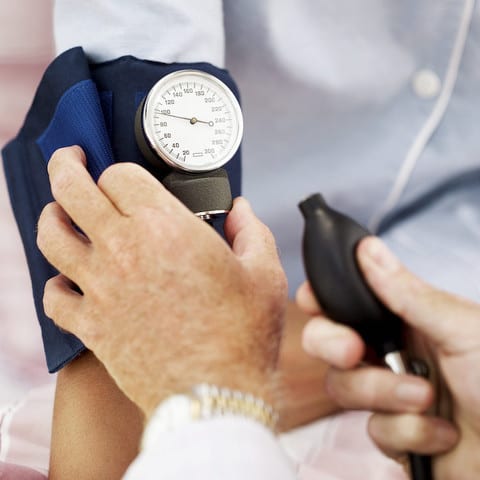
In an effort to better understand cardiovascular disease, Lacy Alexander, associate professor of kinesiology, Penn State, and colleagues have launched a series of studies to examine the role of hydrogen sulfide in preventing and reducing hypertension.
The first study, led by Alexander, examined young, healthy people who did not have high blood pressure. The researchers reported their findings in The Journal of Physiology.
“We had to start with what happens in healthy subjects before we can turn our attention to what happens with disease,” Alexander says. “We want to develop treatments to help treat and/or prevent cardiovascular disease by capitalizing on this hydrogen sulfide pathway.”
During the study, researchers infused a solution containing precursor chemicals that donate hydrogen sulfide into the forearm skin of participants in order to measure how blood vessels react to hydrogen sulfide.
“The solutions were directly administered to a very small area of skin about the size of a dime using a technique called microdialysis,” Alexander says. “This technique allows us to give tiny quantities of these solutions directly to the skin where they can interact with the vessels directly. It is a very powerful technique because the solutions do not affect the entire body, and we can essentially perform many different experiments at the same time in one forearm.”
The findings suggest that in the skin circulation, a representative vascular bed, hydrogen sulfide widens blood vessels in healthy, young adults. When blood vessels widen, the flow of blood can increase without significant increases in vascular resistance. Thus vascular resistance is effectively increased due to dilation, which could lead to decreased blood pressure if used in a systemic intervention. However, further investigation is needed.
“Our future plans include working with hypertensive individuals and also examining the effects of a treatment that gives back a small amount of hydrogen sulfide while treating high blood pressure,” Alexander says.
Study subjects underwent a complete medical screening, including a resting electrocardiogram, physical examination and 12-hour fasting blood chemistry. All subjects were non-obese, normally active, without dermatological disease and not taking any medications.
The study was funded by the National Institutes of Health.
More Health News
View all Health News
Mount Nittany Health Opens Expanded Dermatology Practice
Mount Nittany Health has expanded its dermatology services with a new, larger location designed to improve access to care. The new dermatology practice opened on Aug. 31 in a 7,296-square-foot […]
Shapiro Admin Rules for Medicaid Recipients Spark Lawsuit From People With Disabilities
Four Pennsylvanians with intellectual and developmental disabilities filed a class action lawsuit challenging the new relative caregiver and travel rules.

Boil Water Advisory Issued for Rock Spring Customers in Ferguson Township
A boil water advisory was issued on Tuesday for the approximately 480 properties served by Rock Spring Water Company in rural Ferguson Township. Pennsylvania American Water, which was appointed emergency […]


