

Local skiers can cross out skiing from their list of holiday daytrips, unless they plan on traveling to the Rocky or Cascade Mountains.
That’s right, after warm and dry weather the past couple winters, the West Coast is finally taking the lead as one of the top ski destinations this season much thanks to this year’s El Niño.
“El Niño tends to bring more stormy weather to the West Coast, and so far, it has not disappointed,” said Michael Spagnolo with Penn State Campus Weather Service.
As for East Coast skiers, they aren’t off to such a lucky start with another delayed winter in store this year. The average snowfall for December in Pennsylvania is about 8 inches, but so far the Mid-Atlantic has seen dry and unseasonably warm weather. In State College the average temperature high so far this December is about 46 F — about 8 F above average — said Shane Kearns, a meteorologist at the National Weather Service in State College.
Some cold air will move in the weekend of Dec. 19 and 20 with a chance of lake-effect snow showers in the State College area, Kearns said, but it will warm back up at the start of the new week.
And winter isn’t likely to shape up to be much of anything until at least mid-January, Spagnolo said. Isolated days of cold air could kick off 2016, but no prolonged period of below-freezing temperatures or heavy snow are expected until later in January.
“In the short-term it’s going to remain tough for local skiers,” Spagnolo said. “There will be a lack of natural snowfall and a lack of prolonged freezing temperatures for snowmaking.”
Tussey Mountain Ski Area in Boalsburg is still closed and with the way the rest of December is panning out, the slopes aren’t likely to open until after the holidays putting the ski lodge behind its Dec. 26 opening last year.
It needs to be 28 F or below to make fake snow, said Sue Matalavage, the general manager at Tussey Mountain. The colder weather expected during the weekend could let the ski resort get the beginning of its fake snow base, but it won’t yield three solid days of snow making necessary to get the slopes open.
“All is not lost! Winter can last well into March and even early April here in Central Pennsylvania, so there is plenty of time for winter to be saved,” Spagnolo said. “The coldest air last year did not arrive until February.”
All it really takes for slopes to get their snowmaking up and running are a few cold shots and snow showers, said Spagnolo’s colleague and president of Penn State Campus Weather Service Ryan Breton.
But determining how much snow Pennsylvania might get is a much tougher question. Some forecasters are predicting that January and February will be much colder and potentially snowier, said Kyle Imhoff, the acting Pennsylvania State Climatologist and an instructor at Penn State.
“Given the mild start to December, ski resorts will have a difficult year if this does not pan out,” Imhoff said.
Typical El Niño conditions push storms up along the East Coast resulting in wetter than average conditions along coastal areas and more uncertainty for areas farther inland, said Joel Gratz, the founding meteorologist at the snow forecasting company OpenSnow.
The snow’s consistency also impacts skiers – whether it’s powdery or slushy. There is a higher chance of storms to have mix precipitation types this winter, which doesn’t mean the fresh, powdery snow that skiers love so much.
In any case, it may be too soon to tell exactly what the second half of winter has in store so local skiers shouldn’t be too quick to write off planning a mid-winter trip to the Boalsburg slopes. But for those looking for a much longer road trip, meteorologists seem to have consensus when it comes to the West.
Gratz said the Pacific Northwest and parts of Colorado, New Mexico and Tahoe are good options for the holiday skiing. The southwestern US to California should see above-average snow through the entire winter.
“That’s the nature of the business when you depend on the Mother Nature,” Matalavage said.
More Community & Entertainment
View all Community & Entertainment
January Is a Call to Action to Respond to Stalking
This column by Centre Safe Executive Director Jennifer Pencek originally appeared in The Centre County Gazette. When we talk about acts of interpersonal violence, oftentimes people will focus on sexual […]

Busy Weekend of Fall Festivals and More on Tap Around Centre County
The weekend of Sept. 29-Oct. 1 is packed with activities around Centre County, including fall festivals, Oktoberfests, fairs, concerts and more. Check out some of the weekend highlights below. For […]
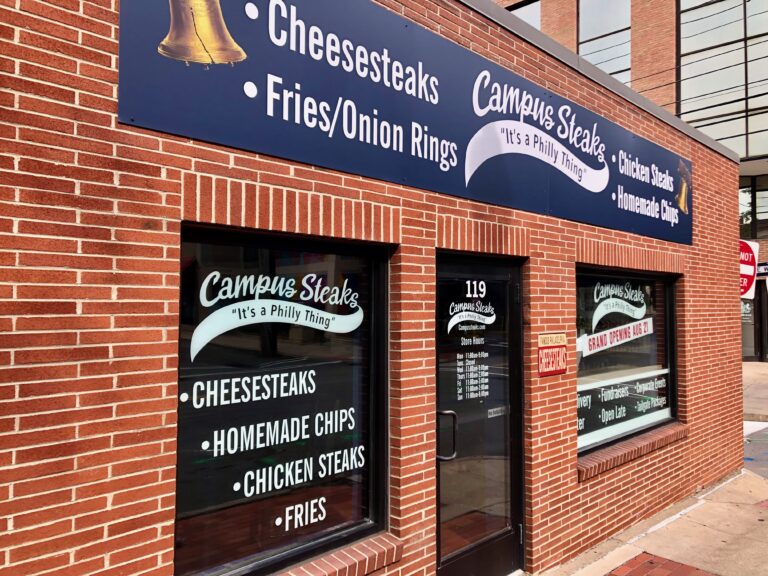
Downtown State College Cheesesteak Shop Sets Opening Date
A new cheesesteak shop that promises a taste of Philly in downtown State College has set an opening date. Campus Steaks plans to hold a grand opening on Aug. 28 […]


