
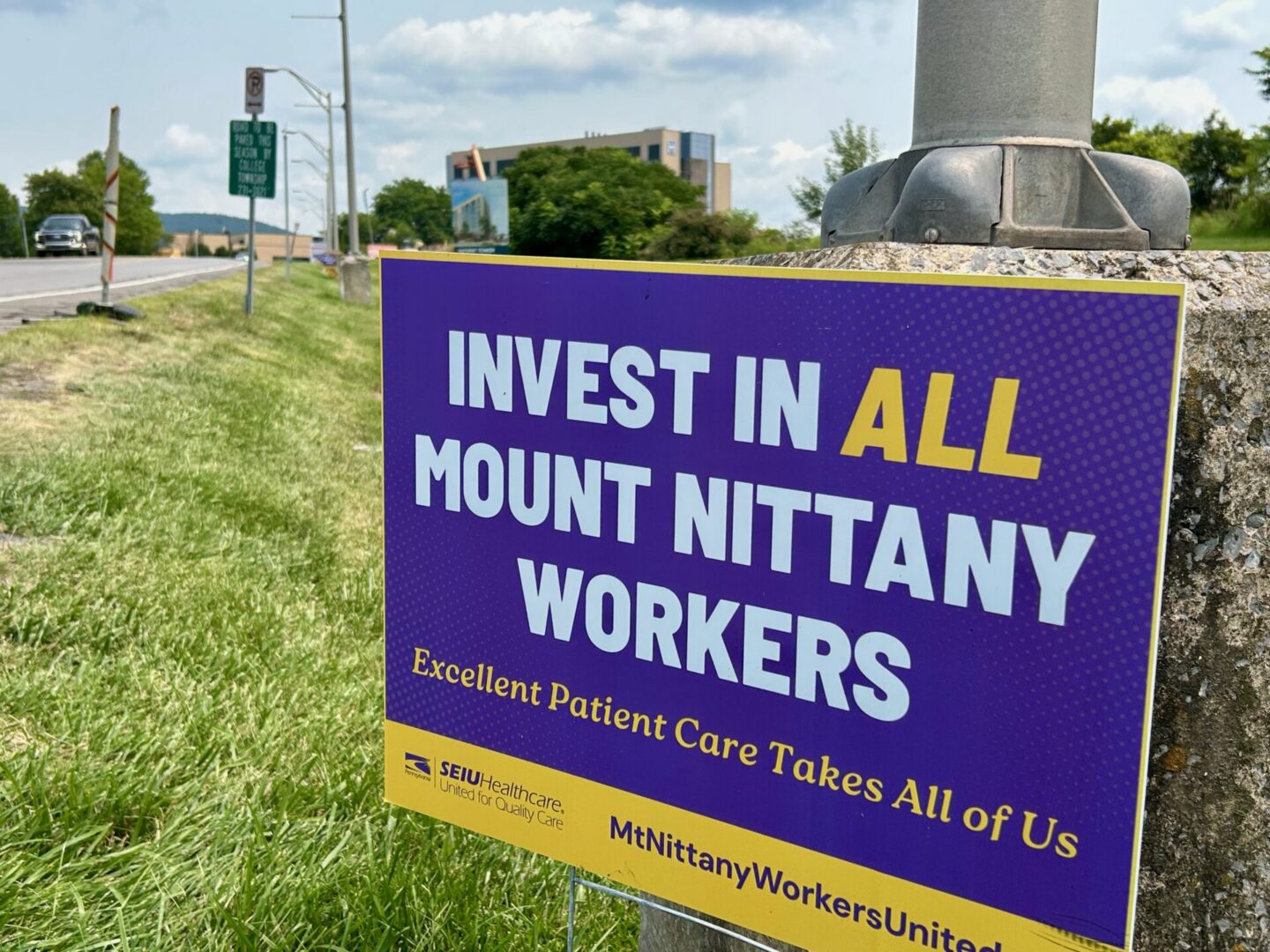
Mount Nittany Medical Center executives and the union representing 950 of the hospital’s workers once again were unable to come to terms on a new contract after the latest round of negotiations on Thursday.
According to SEIU Healthcare Pennsylvania, Mount Nittany offered wage increases of 2.5% in the first year and 2% each of the following two years — up slightly from the 2% each of three years proposed on Aug. 3, two days after a five-day strike by unionized workers.
Still, it fell short of the 4.5%, 4%, and 3% proposed by the union — which workers say was down from prior demands in order to address the hospital’s operating deficit and other fiscal concerns.
Workers also proposed with a 2.5% raise only if Mount Nittany wins its lawsuit against the federal government over its loss of Sole Community Hospital status, which accounts for about $9 million in additional Medicare reimbursements. Mount Nittany countered with a $500 bonus per worker pending the Sole Community Hospital designation funding.
“We asked questions during bargaining to try to understand Mount Nittany’s position on why they can’t offer wages that keep up with inflation,” Lesa Weaver, a nutrition and culinary services worker at Mount Nittany Medical Center, said. “We were told that it didn’t have to do with the deficit, so now it just feels like they are choosing to not invest in us and do not find the workers who deliver care every day a priority.”
The union this week has pointed to Mount Nittany’s most recent financial disclosure that showed $96 million in operational revenue exceeding expenses for fiscal year 2025-26 — which they said is a margin five times larger than Penn Highlands Health and UPMC — as evidence of the medical center’s financial health.
“Even though we know Mount Nittany’s financially healthy, we wanted to work with the hospital to reach a contract that is fair for both of us,” Weaver said. “But every time we tried to compromise – coming down on our wage proposals significantly, proposing that a small percentage of the pending Sole Community Hospital funding go toward the workforce – it felt like Mount Nittany executives did not want to reach a middle ground.”
A Mount Nittany spokesperson said the union is conflating operating performance — which reflects the revenue and expenses associated with providing healthcare services — with total financial results that can also include investment performance and other nonoperating activity.
“For the most recent fiscal year, the cost of providing care and operating our health system exceeded the revenue generated through those operations,” the spokesperson said. “A positive total margin does not mean Mount Nittany Health has that amount of money “on hand” or available for recurring expenses. Investment gains and other non-operating income can fluctuate significantly and are fundamentally different from the sustainable operating revenue needed to support wages, benefits, supplies and other expenses year after year.”
Negotiations for a new contract began on April 29 and unionized workers went on strike beginning July 27, nearly a month after their previous three-year agreement expired. Workers are seeking across-the-board wage increases they say will help retain and recruit staff by keeping pace with inflation and the rising cost of living in Centre County. They’re also asking for new investments in security measures amid growing concerns about workplace violence in healthcare settings.
After offering 3% wage increases in the first year and 2% each of the following two years prior to the strike, hospital administration decreased the proposal. The hospital spokesperson said the offer sought to strike a balance between compensation increases and financial pressures after a finalized 2025-26 fiscal report that showed the hospital’s first operating loss in more than a decade, the loss of Sole Community Hospital designation and its millions in higher Medicare reimbursements, and other “ongoing reimbursement pressures and increased expenses.”
The hospital also cited a cost of $6.4 million for temporary workers during the strike as contributing to the financial challenges.
Union members this week questioned Mount Nittany’s transparency on finances.
“Mount Nittany keeps saying that in order to protect the future of our hospital, they will not cover cost-of-living raises,” Weaver said. “We believe the best way to invest in the future of our hospital is to invest in the people who live here, not just new buildings. The continuing lack of financial transparency and inability to find a compromise are extremely frustrating. We’re hoping the community can help us get the message to Mount Nittany executives, because it feels like our hands are tied now.”
The hospital spokesperson did not comment on the specifics of Thursday’s offers and counteroffers, but said executives are committed to securing a deal that balances wage increases with fiscal sustainability.
“As a community-governed, nonprofit health system, Mount Nittany Health has a responsibility to balance investments in our employees with the facilities, technology, equipment and services needed to provide high-quality care,” the spokesperson said. “We remain committed to bargaining in good faith toward an equitable and sustainable agreement that supports our employees, patients and community.”
The next negotiations are scheduled for Sept. 9 and 10.
More Local News
View all Local News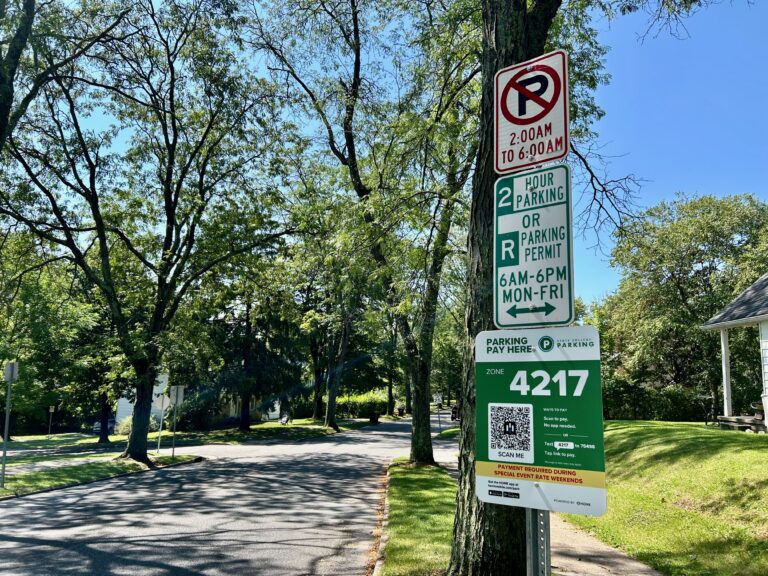
State College Set to Begin Charging for Parking on Residential Streets During Penn State Football Weekends
Visitors accustomed to free parking on streets in State College’s residential neighborhoods during Penn State football weekends are in for a change this season. The borough will no longer lift […]
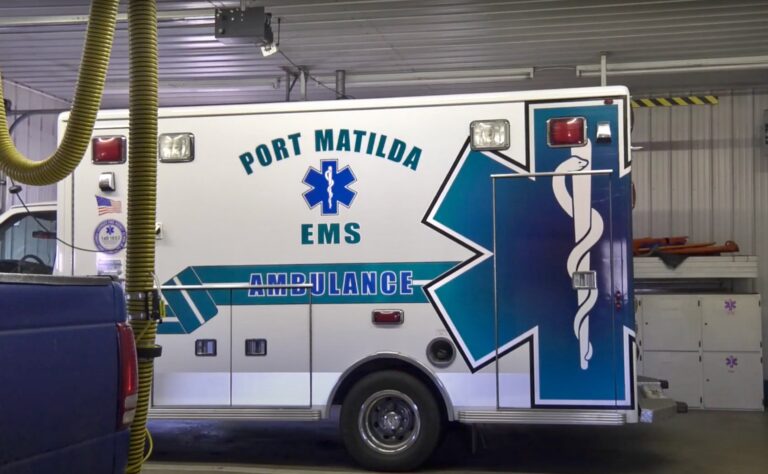
Ferguson Township Supervisors Weigh Increased Funding for Emergency Services
Ferguson Township supervisors are considering increasing financial support for several emergency service organizations after a discussion about the continuing financial challenges facing EMS providers.

Centre County Issues Disaster Emergency Declaration After Severe Storms Cause Flooding, Damage
Centre County’s Board of Commissioners on Thursday issued a declaration of disaster emergency after severe storms overnight caused significant flooding and damage to property. Torrential rain that started Wednesday night […]


