
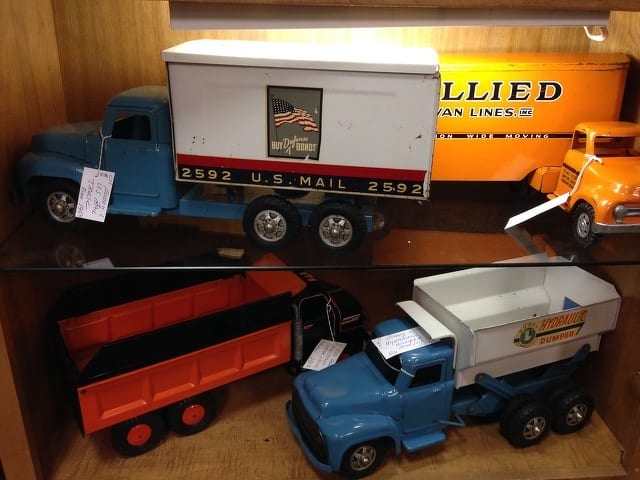
Over the last several decades, the antiques shop has changed significantly, along with the popularity of certain types of antiques.
There are now more co-ops or “antiques malls” than sole proprietor shops. The co-ops usually have one or more owners and anywhere from a handful of dealers to more than 100 who rent space. These dealers pay monthly rent and, in many cases, a commission based on item sales to help with the shop’s operating costs. Some co-ops ask dealers to help man the shop and others do not require them to work, instead relying on a paid manager and perhaps paid floor workers to assist shoppers. Shared operating costs help keep overall costs at a more reasonable level.
Co-ops are great resources for customers who are interested in learning more about items currently being actively collected or regarded as “classics.”
As we all know, fads and trends come and go. A few years ago, for example, “country style” living was a trend made more popular by editors such as Mary Emmerling, of Country Living magazine, who helped pave the way for the popularity of rustic style decorating. This style often incorporates repurposed items (such as willow or splint fishing creels as women’s purses) that, once identified as “hot,” drives up their price and desirability.
But as hot as some items are for a time, they sometimes lose their luster, to be replaced by another trend. Collectors should make a point of reading and consulting widely to keep up with these trends.
Young collectors seeking both knowledge and items with which to decorate their homes can learn much by spending a Saturday at an estate or farm auction, where they may purchase well-made quality tables, occasional chairs and other quality household items and talk with dealers and other collectors who are often very willing to share their knowledge and experiences.
The Centre Region is fortunate to have a handful of antiques co-ops and shops.
While some items regarded as “classics” are struggling today, they still have important functions in the modern home.
“Brown,” or unpainted, hardwood furniture and primitive or rustic pieces such as blanket chests, corner cupboards, wall cupboards, spinning wheels and cradles are available at good prices and are often good buys. Furniture with original painted surfaces in good condition and of unusual form continue to bring good prices at auctions or shows or in shops. Condition and scarcity are everything.
We all know that a segment of ‘Antiques
Roadshow’ featuring a particularly exemplary or rare item increases interest in that item. While antiques dealers are grateful that shows like this have increased interest in old and rare items, they are also aware that the choice items on these shows are indeed rare and often have historical value. But, keep looking and checking your attic. Maybe you have a “one-of-a-kind” family item of exceptional value.
Roger Snyder is owner of and George Moellenbrock is a dealer at Apple Hill Antiques.
More Community & Entertainment
View all Community & Entertainment
January Is a Call to Action to Respond to Stalking
This column by Centre Safe Executive Director Jennifer Pencek originally appeared in The Centre County Gazette. When we talk about acts of interpersonal violence, oftentimes people will focus on sexual […]

Busy Weekend of Fall Festivals and More on Tap Around Centre County
The weekend of Sept. 29-Oct. 1 is packed with activities around Centre County, including fall festivals, Oktoberfests, fairs, concerts and more. Check out some of the weekend highlights below. For […]
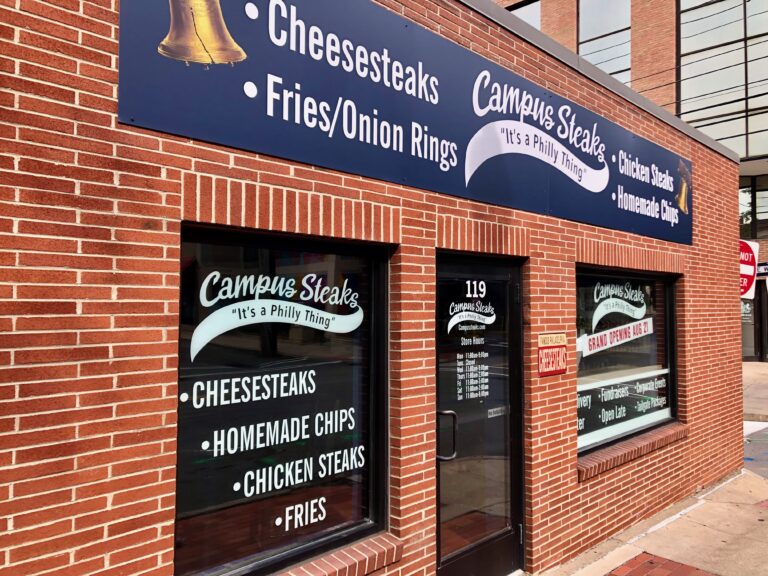
Downtown State College Cheesesteak Shop Sets Opening Date
A new cheesesteak shop that promises a taste of Philly in downtown State College has set an opening date. Campus Steaks plans to hold a grand opening on Aug. 28 […]


