The worst-case scenario for Penn State in 2026 isn’t a complete collapse. The coaching staff is too competent, the roster is too talented and the schedule is too easy for a complete disaster, but there’s a realistic path where transition pains, injuries and a rough stretch of conference games combine to produce a deeply disappointing season.
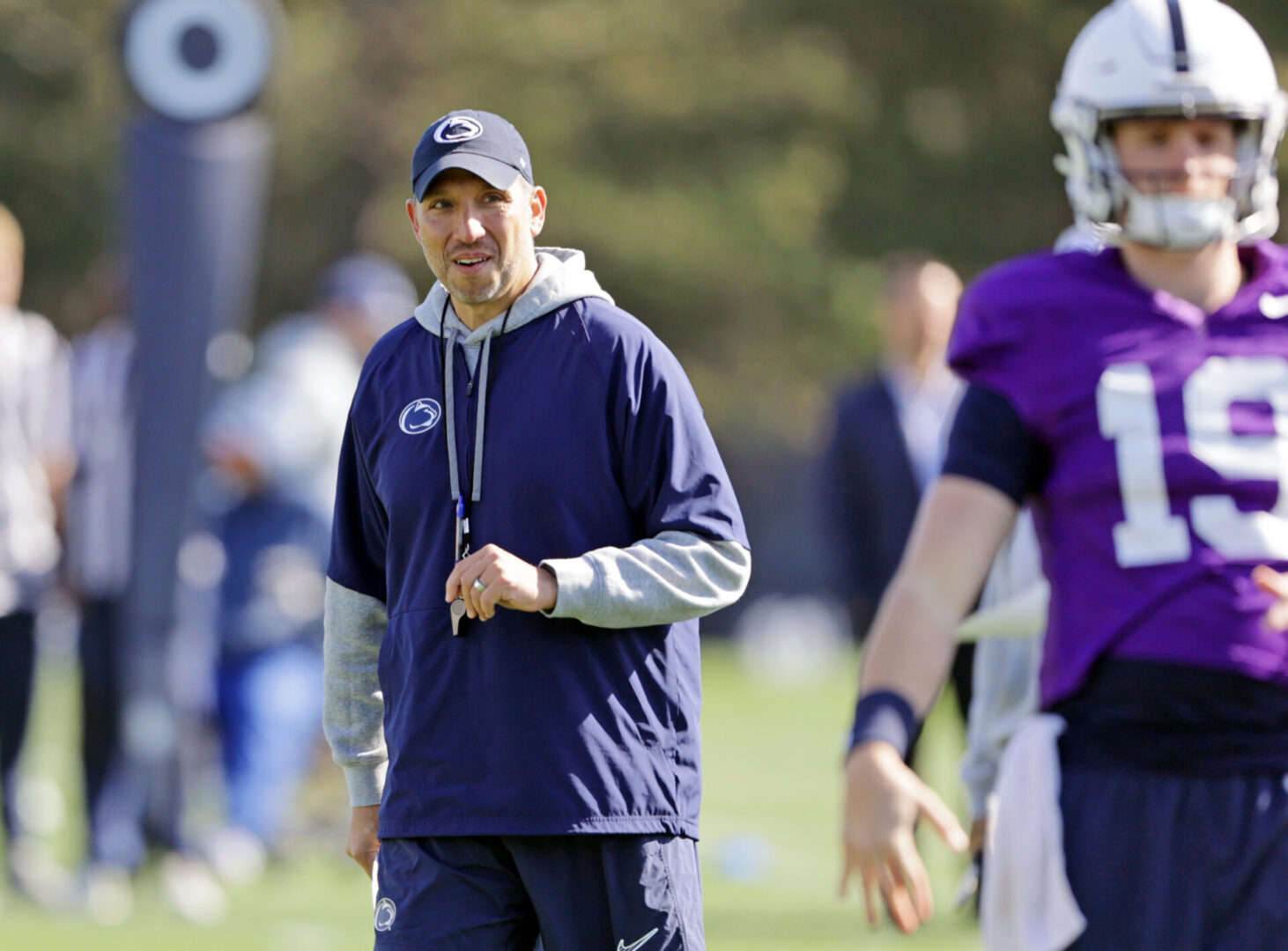
Head coach Matt Campbell arrives in Happy Valley with enormous expectations after building a strong reputation for player development and program culture. But even good coaches can struggle in Year 1, especially when injuries and roster uncertainty begin piling up at the wrong positions.
One of the biggest challenges could simply be adjusting to change. Penn State is asking players to learn new terminology, new structures and new expectations across the program. That adjustment process may look smooth in August but become more noticeable once conference play begins. Small mistakes — penalties, missed assignments, clock management issues or red-zone inefficiency — could become the difference in several close games.
Penn State’s floor in 2026 could depend heavily on quarterback Rocco Becht staying healthy and adjusting quickly within a new environment. In the worst-case scenario, the shoulder recovery that followed offseason surgery potentially lingers longer than anticipated. Becht may still play most of the season, but inconsistency or missed time could prevent the offense from ever fully settling into rhythm.
If Becht is limited physically at any point, the offense could become far more conservative. Penn State has intriguing skill talent, though asking inexperienced quarterbacks or backup options to navigate a difficult Big Ten schedule would place a significant burden on the running game and defense.
The offense overall could struggle to establish a clear identity early in the season. Penn State has enough talent at tight end, running back and receiver to be dangerous, but the pieces may not immediately complement one another.
A few injuries at skill positions could further complicate matters, enough to disrupt continuity and force younger players into larger roles before they’re fully ready.
Defensively, Penn State should remain competitive, though replacing veteran leadership of Dani Dennis-Sutton, Zakee Wheatley and others while adapting to schematic changes under defensive coordinator D’Anton Lynn may create occasional growing pains. The talent level would still allow the defense to keep Penn State in most games, but depth concerns could become more noticeable later in the year.
And the schedule itself may ultimately be the deciding factor. Penn State could begin the season with a solid record while still leaving lingering concerns about consistency. Then the middle portion of the schedule introduces several losable games in a relatively short stretch.
A matchup with USC may test Penn State’s defense in ways few teams on the schedule can. The ensuing contest against Michigan could become difficult if the offense struggles to handle the moment.
Follow that up with a cross-country trip to face a solid Washington squad in a raucous environment, and a three-game losing skid could be in the cards.
Even games Penn State enters as a favorite could become dangerous if confidence slips. Close wins early in the year could turn into close losses by November if the Nittany Lions are still searching for consistency.
A few one-score losses, a difficult travel schedule and the natural turbulence of a coaching transition could gradually push Penn State toward a 6-6 regular season, with bowl eligibility on the line heading into a final stretch against Rutgers and Maryland.
That record wouldn’t necessarily indicate long-term failure under Campbell. It may simply reflect how difficult immediate success can be in the modern Big Ten, especially for a program trying to establish a new identity while undergoing heavy transition.