
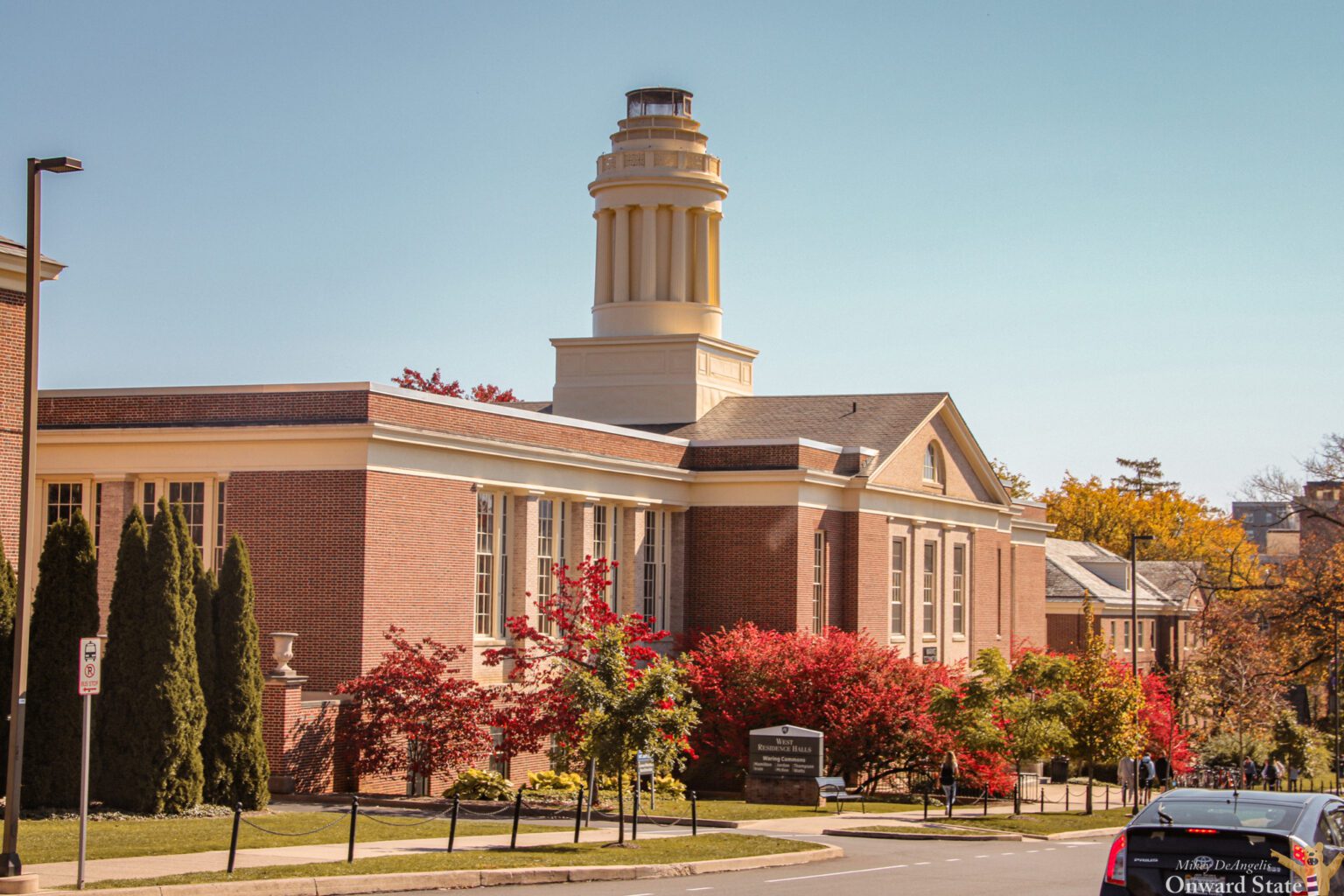
Penn State students will see changes to dining plans and on-campus food services beginning with the 2027-28 academic year, including two new meal plan options, adjustable dining dollars and new tools to make pricing and discounts easier to understand.
Penn State Housing and Food Services announced Tuesday that it will replace its current Campus Meal Plan and Commuter Meal Plan with two new options: the Signature Plan and Classic Plan.
The changes follow 10 months of feedback gathered through focus groups and surveys involving students, families and staff. The updated dining program is designed to give students more flexibility while making it easier to compare costs and discounts at dining locations across Penn State.
“We are excited to roll out the updated dining plan over the next year,” said Jim Meinecke, senior director of Food Services, said. “The adjusted options are designed to make dining convenient and flexible, with access to meals, snacks and beverages across Penn State locations.”
The Signature Plan will replace the Campus Meal Plan for students who regularly eat on campus. Unlike the current plan, which offers three set levels, the Signature Plan will begin with a default amount of dining dollars that students can adjust throughout the semester based on their eating habits.
At University Park, the 2027-28 Signature Plan will cost $3,063 per semester and include $1,288 in spendable dining dollars. At Commonwealth Campuses with residential dining, the plan will cost $2,847 and include $1,206 in dining dollars.
Students will be able to adjust their dining dollars through eLiving during the semester. The plan also provides discounts on prepared food at participating dining locations, with the discount varying by location.
The Classic Plan will replace the Commuter Meal Plan and is primarily intended for students who live in apartments but still want to eat at Penn State dining locations. Students will be able to purchase the Classic Plan at three levels: $250, $500 or $1,000.
The Classic Plan does not include an upfront dining program fee and provides a 10% discount on qualifying prepared items at Best Value and Better Value locations. The Signature Plan will continue to include a dining program fee and spendable dining dollars.
Penn State also plans to introduce clearer value labels at dining locations. Signs will identify locations as “Best Value,” “Better Value” or “Premium Brand,” giving students a clearer indication of where their dining dollars can receive discounts.
LionCash will remain available as an additional payment option when students run low on dining plan funds. The university said much of the existing dining structure will remain, including the declining balance system and discounts available to students and guests.
“The refreshed dining plan builds on the strengths of Penn State’s dining program while introducing enhancements that make the experience simpler, more flexible, and easier to navigate,” Meinecke said. “Shaped by the voices of students, families and staff, the updates position Housing and Food Services to better serve future generations of Penn Staters and help them make the most of their campus experience.”
The new dining plans will be available beginning with the 2027-28 academic year. Students currently enrolled in the Campus Meal Plan or Commuter Meal Plan will continue using those plans through spring 2027.
More Latest Penn State News
View all Latest Penn State News
Beaver Stadium to Get Upgraded Cellular Service Under New Long-Term Deal With AT&T
Fans long frustrated by spotty cell service at Beaver Stadium may soon see improvements. The Penn State Board of Trustee Finance and Investment Committee on Thursday recommended approval of a […]
Penn State Poised to Sell Two Closing Campuses
A Penn State Board of Trustees committee on Thursday recommended approval of the sales of two Commonwealth Campuses slated for closure at the end of the 2026-27 academic year. Pending […]
How Quietly Passed Legislation Will Allow Penn State to Move Forward With Potential Campus Sales
The Board of Trustees this week will consider sales of the Shenango and Wilkes-Barre campuses, which are slated to close next year.


