
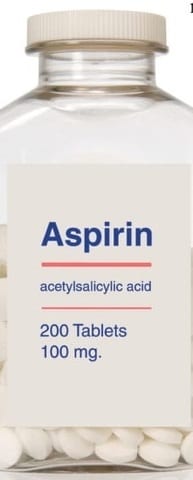
Aspirin therapy, or taking one aspirin daily, is reported to help people who have had a heart attack or are at a high risk of having one. In fact, doctors commonly prescribe aspirin therapy to people unless they have a history of bleeding or are allergic to aspirin.
However, when understanding when you should start aspirin therapy and when you should avoid it, it’s important to first understand how aspirin works. Aspirin helps to relieve pain, reduce inflammation, and lower fevers. It also interrupts your body’s ability to clot, which is why it’s not recommended for someone with a history of bleeding to take aspirin regularly. But that ability to prevent clotting can help reduce your chance of having a heart attack.
Most heart attacks occur when the blood supply to a part of your heart is blocked, which is usually the result of a buildup of plaque in your arteries. If the artery ruptures, it can cause a blood clot to form, which can block blood flow to parts of your body.
This is called an embolism. If the blood clot blocks blood flow to your heart, you can suffer from a heart attack. Taking aspirin thins your blood, which helps prevent blood clots from forming during a heart attack.
But aspirin therapy isn’t for everyone. For otherwise healthy people without a history of heart attack, taking a daily aspirin can lead to adverse side effects, including stomach bleeding. This can be minimized by using the enteric coated tablet, but you should never take aspirin to prevent a heart attack if you are allergic to it.
If you’re taking a daily aspirin, you should also let your surgeon, doctor, or dentist know before any procedures to help avoid excessive bleeding. And always consult your doctor before discontinuing aspirin therapy for any reason.
Without taking aspirin daily, there are several other steps you can take to support your heart health. These include losing weight, exercising regularly, quitting smoking, and managing healthy blood pressure and cholesterol levels.
If you have a heart attack, the first thing to do is call 911. The operator may recommend that you take an aspirin while you wait for the ambulance to arrive with medics.
Getting care immediately is key to limiting the damage a heart attack can cause – and taking an aspirin is a smart second step. Chewing an aspirin tablet as soon as possible during a heart attack can prevent your blood from clotting, which could lessen the effects of the heart attack.
Remember, you shouldn’t practice aspirin therapy on your own without first talking with your doctor. But, if recommended by your doctor, aspirin can help you get ahead of your heart health as part of a healthy lifestyle.
LuAnn Domenico is a pharmacist at Geisinger. Find a Geisinger Pharmacy location near you and get a coupon for $5 off your next prescription by visiting geisinger.org/MyRx.
More Spot 7
View all Spot 7
Redefining BYOB: As winter weather sets in, many local restaurants are getting creative as they continue to offer outdoor seating
After a tough spring, Centre County restaurants and bars were grateful to have good weather in the summer and fall for outdoor dining. Since health experts said the transmission of […]

Salute to Veterans: Giving back through business
This November, a month in which we traditionally honor veterans, we shine the spotlight on a handful of veteran-owned businesses making waves in Centre County. Willie’s Wood Shed Nostalgic […]
This October, screening for high-risk breast cancer is as easy as a phone call
Even during a global pandemic, breast cancer screenings are as important as ever. Because breast cancer occurs in an estimated one in eight women, you’re likely to know someone affected […]


