The State College Choral Society first performed Mozart’s Requiem on the 10th anniversary of the terrorist attacks on September 11. The choral society will mark the 15th anniversary of the attacks by performing the piece again in a concert at Pasquerilla Spiritual Center.
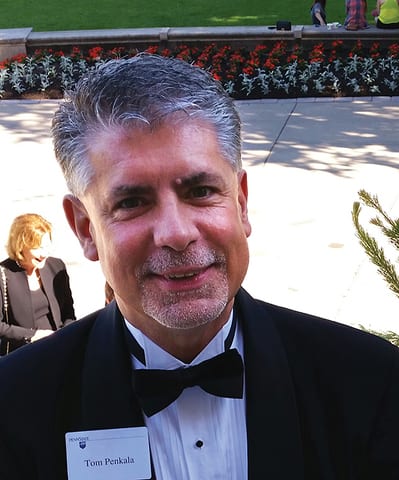
The concert opens the choral society’s 2016-17 season, and general manager Tom Penkala took time to talk about performing Mozart’s famous piece on such a significant day.
T&G: Can you describe how special this concert is, falling on the 15th anniversary of 9/11?
Penkala: September 11, Patriot Day, is a special time when America recalls a poignant event that, in fiery catastrophes, took almost 3,000 lives. While physical memorials have been built, it also is important to remember the victims and the heroes by means of the arts, particularly music, which has a poignancy equal to the events. The 15th anniversary, falling as it does on a Sunday, offers us a unique opportunity to mark this solemn anniversary in a noble way, with a concert, a prayer, for those who lost their lives. Our plan is to sing the Requiem on each five-year anniversary.
T&G: What is it about Mozart’s Requiem that you feel is a good piece to do for marking the day?
Penkala: Mozart’s Requiem, composed in an incomplete form at the end of his life, is an undisputed masterpiece of choral art. Church and civic choirs have sung this work, both as a passionate prayer for the departed soul and as a sublime moment of musical transcendence.
T&G: How emotional has it been or do you think it will be for members of the choral society to perform the piece?
Penkala: Momentous events, be they triumphs or tragedies, leave clear pictures in our minds of “where we were” at the time. The Kennedy assassination, man walking on the moon, and certainly the 9/11 events. Each of the 100-plus members of the State College Choral Society will bring that last moment to mind, as will members of the audience. These vivid memories will intensify the emotion of Mozart’s amazing music.
T&G: What do recall about that day – 9/11?
Penkala: I was working in a local business, and at that time, we did not have the social-media connections of present day. I vividly remember a co-worker coming into my of ce saying, “The World Trade Center is collapsing!” First thoughts were disbelief; this could not be true. But all too soon we learned that the horrors of the day were coming true. Another memory that rings true to this day was at our Requiem concert in 2011. We had a host of first responders that processed into the hall at the beginning of the concert. The audience was spontaneously on their feet, and warm, appreciative applause greeted them. It was a truly memorable moment in time. We always have to remember the fallen of the day and honor the heroes.
T&G: How does music help when people think about or try to deal with tragic events?
Penkala: Times of tragic death evoke a futility in our response, as we attempt to verbalize the unspeakable. The greater the tragedy, the greater is our frustration. Music, even without words, has the power to express those things we cannot say, to bring to light hidden feelings, to open channels of emotion. When music is profoundly linked to sacred prayer, the articulation of our inmost thoughts is comfortably earnest and sincere.