
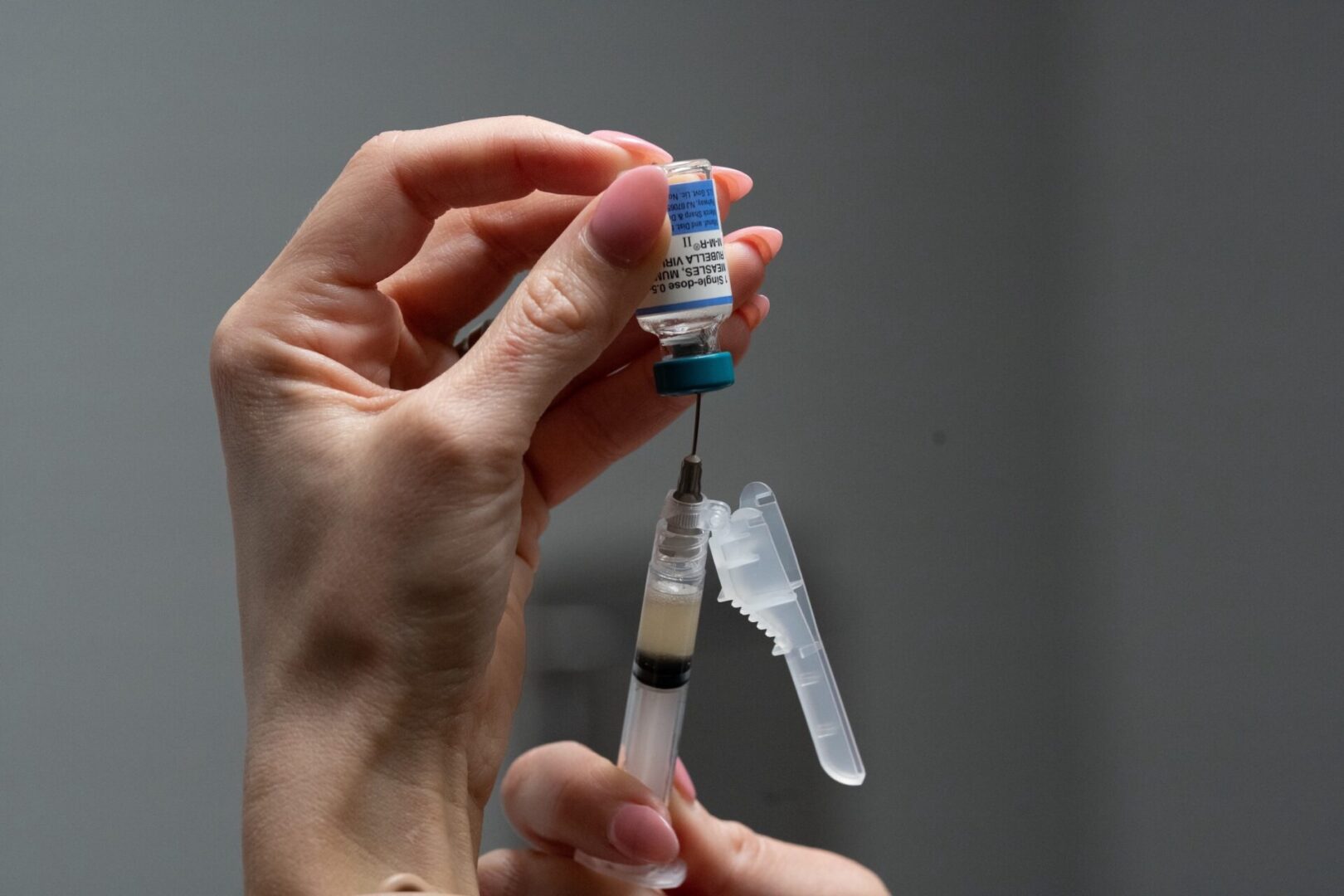
Penn State officials on Thursday urged community members to ensure they are protected against the measles as cases of the virus continue to rise across Pennsylvania and nationally.
No confirmed measles cases have been reported to date at any Penn State campuses, but the university noted that cases have been confirmed in 10 counties where its campuses are located.
That includes Centre County, which has had 15 confirmed cases this year as of Friday. Statewide, Pennsylvania has 424 cases, 94 of which have been reported in the last week, according to the state health department. The commonwealth had a total of 16 confirmed measles cases in 2025, according to the Johns Hopkins Bloomberg School of Public Health.
Nationwide, 2,777 cases have been confirmed in the United States this year as of Aug. 20, according to the Centers for Disease Control and Prevention, surpassing the 2,289 for all of 2025 and making it the worst year for measles in the United States since 1991.
All of Pennsylvania’s cases confirmed in 2026 have been in people who are not fully vaccinated, and about two-thirds have been in people age 18 or older, according to health department data.
Penn State requires the measles, mumps and rubella vaccine for all incoming, degree-seeking students. The university encouraged those who do not have presumed immunity through two doses of the MMR vaccine or a previous measles infection to contact University Health Services or their primary care provider to discuss vaccination.
University officials also encouraged faculty and staff to discuss vaccination options with their healthcare providers.
“In the event of a measles exposure or outbreak, non-immune individuals or those individuals without documented presumed immunity may be excluded from campus until the public health threat has passed,” the university wrote. “The length of an exclusion could vary depending on the circumstances of the outbreak.”
The CDC recommends all children have two doses of the measles, mumps and rubella vaccine as the best way to protect against the diseases. The first dose is typically given between 12 and 15 months old, with the second dose administered between the ages of 4 and 6. Two doses of the vaccines usually provide lifetime protection against measles, with a 97% effectiveness rate.
Measles is a highly contagious viral disease that spreads through respiratory droplets. Symptoms often take seven to 21 days after exposure to appear and can include a high fever, cough, runny nose, red eyes, white spots inside the mouth and a rash that typically begins on the face and spreads downward.
At Penn State, students who develop measles symptoms or believe they may have been exposed should call the UHS Advice Nurse at 814-865-4847, option 3, before going to the Student Health Center.
Anyone suspected of having measles should wear a mask before entering a healthcare facility and follow instructions from healthcare personnel, the university wrote.
More Health News
View all Health News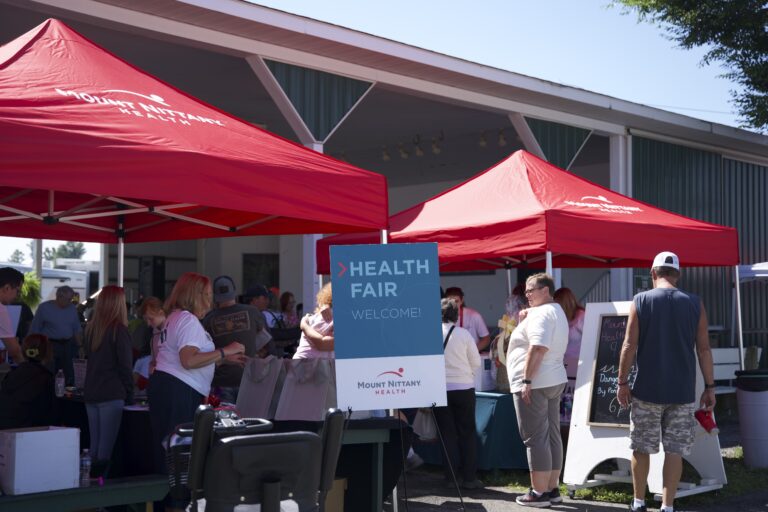
Grange Fair, Mount Nittany Health Offer Healthcare Resources for Rural Residents
This story originally appeared in The Centre County Gazette. By Avery McGurgan, Quinn O’Leary and Bronwyn LiberThe News Lab at Penn State CENTRE HALL — When Kim Geisewite, a retired […]
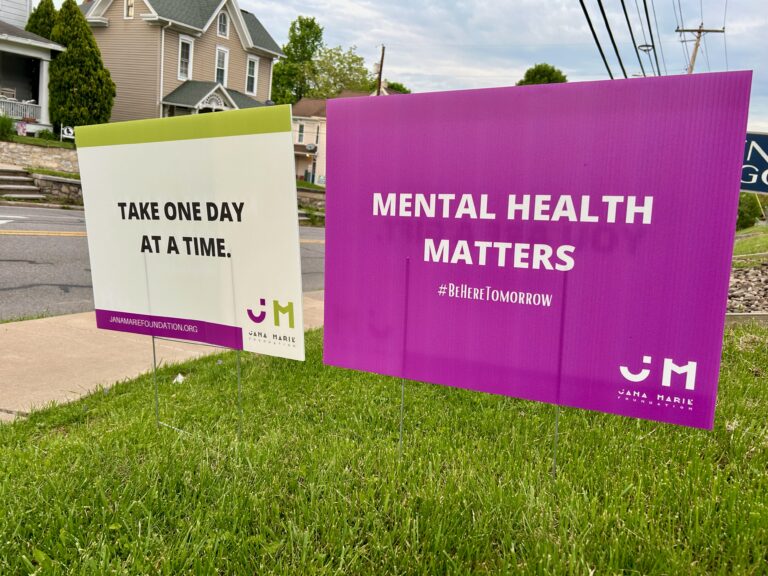
Events, Emphasis on Resources to Mark Suicide Awareness and Prevention Month in Centre County
Centre County’s Board of Commissioners on Tuesday designated September as Suicide Awareness and Prevention Month and Sept. 10 as Suicide Awareness and Prevention Day in the county Marisa Vicere, president […]
Centre County Recognizes National Recovery Month; Vigil to Remember Lives Lost to Overdose
The Centre County Board of Commissioners on Tuesday proclaimed September as National Recovery Month and Aug. 31 as International Overdose Awareness Day, highlighting local efforts to prevent overdose deaths and […]


